
Last updated November 16, 2026
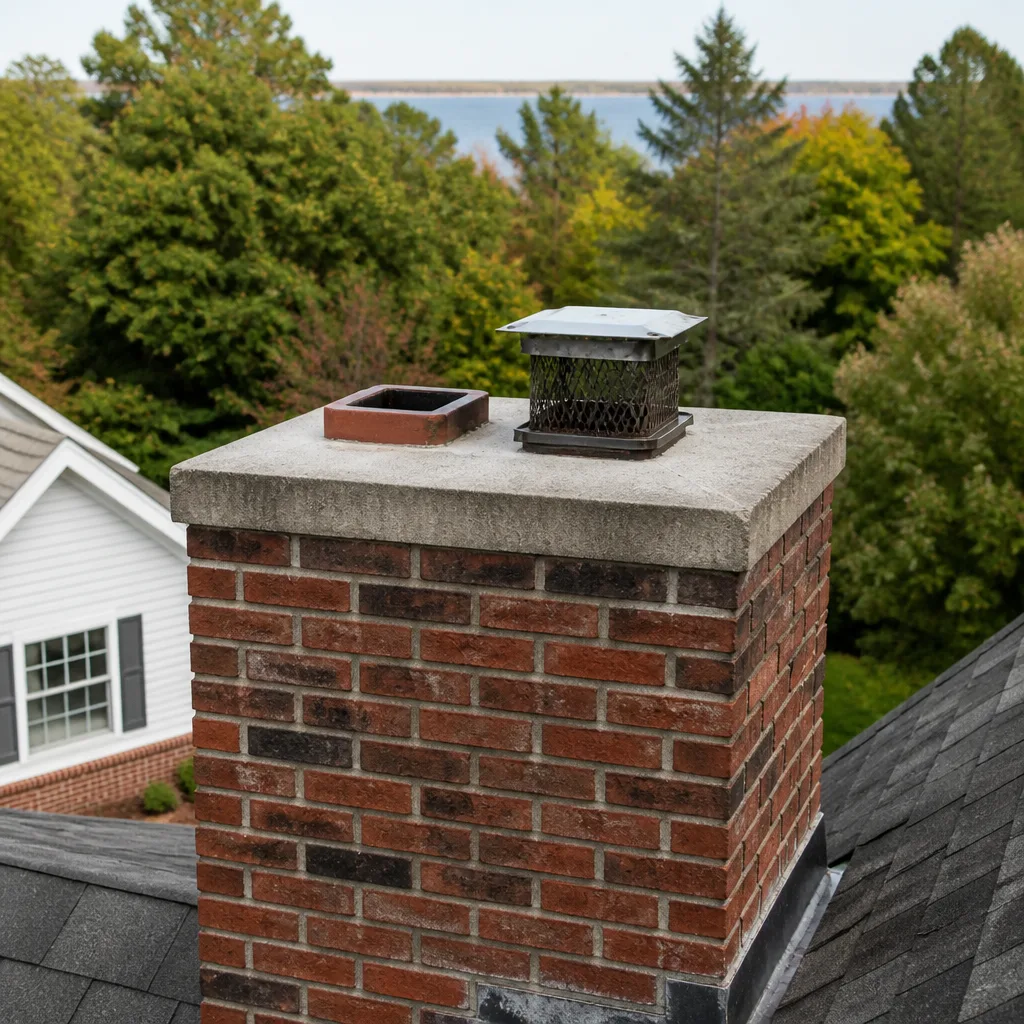 Sweep & inspection
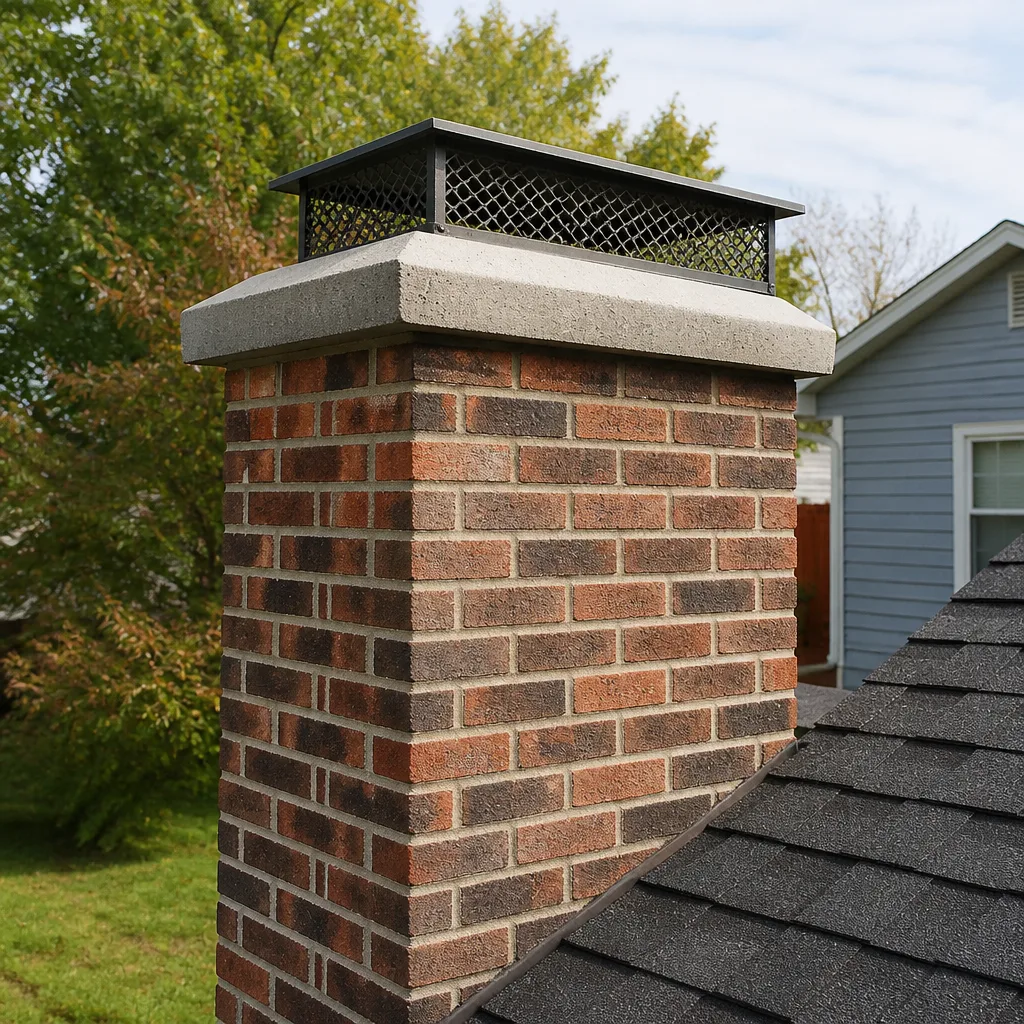 Caps & crowns
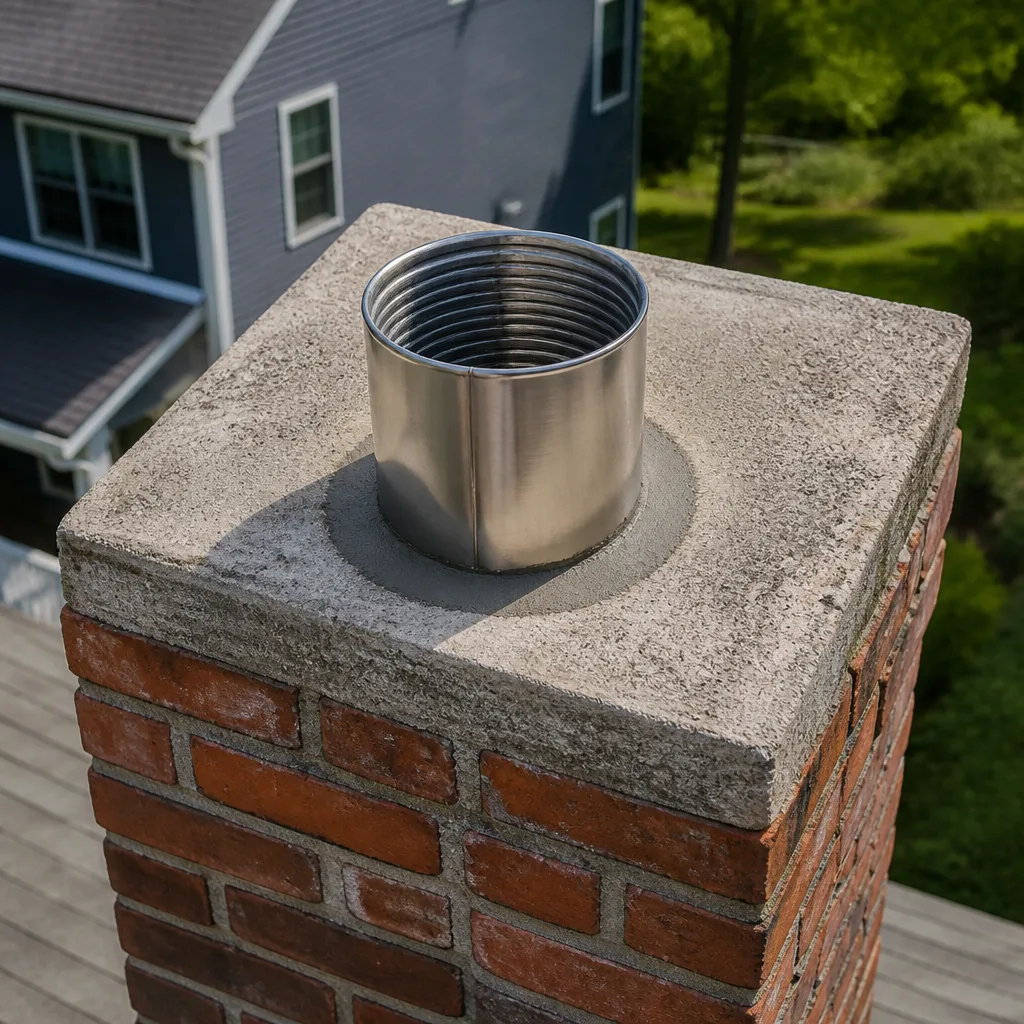 Flue relining
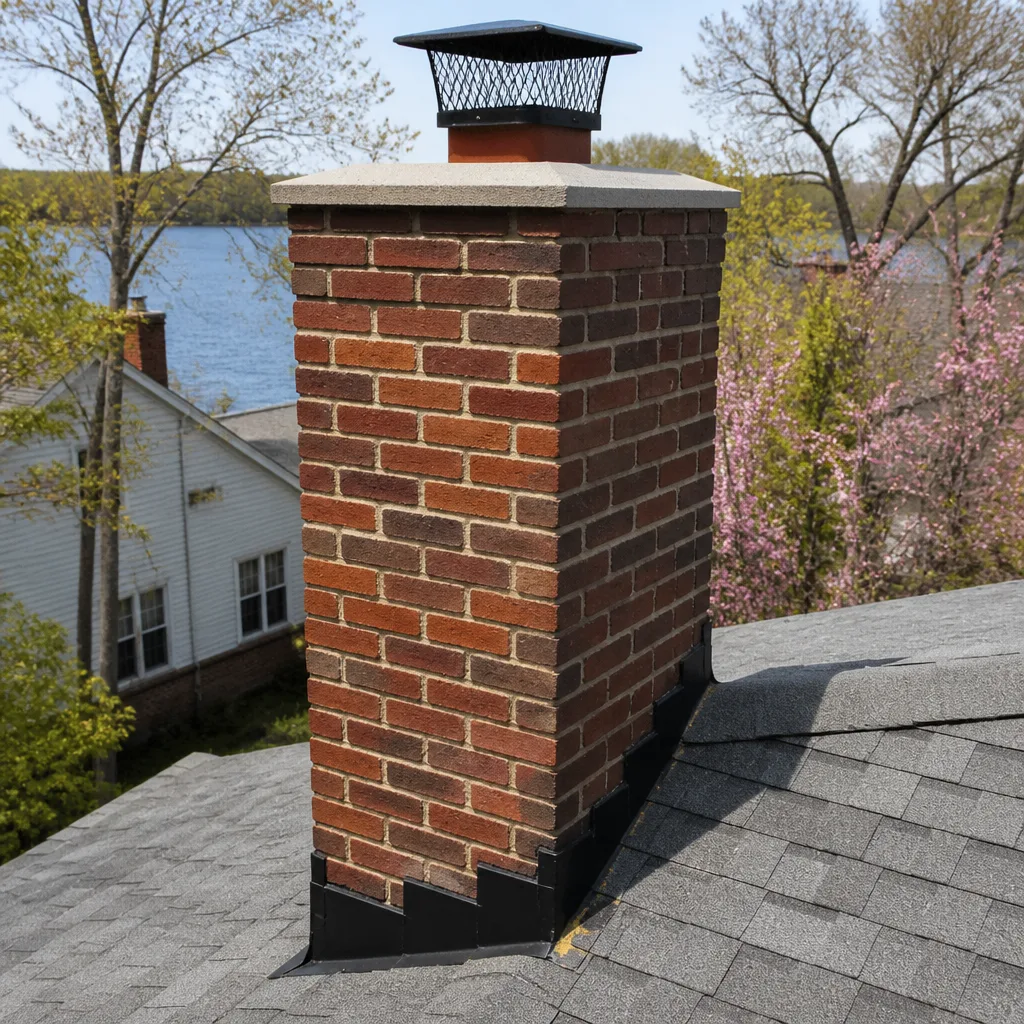 Masonry repair
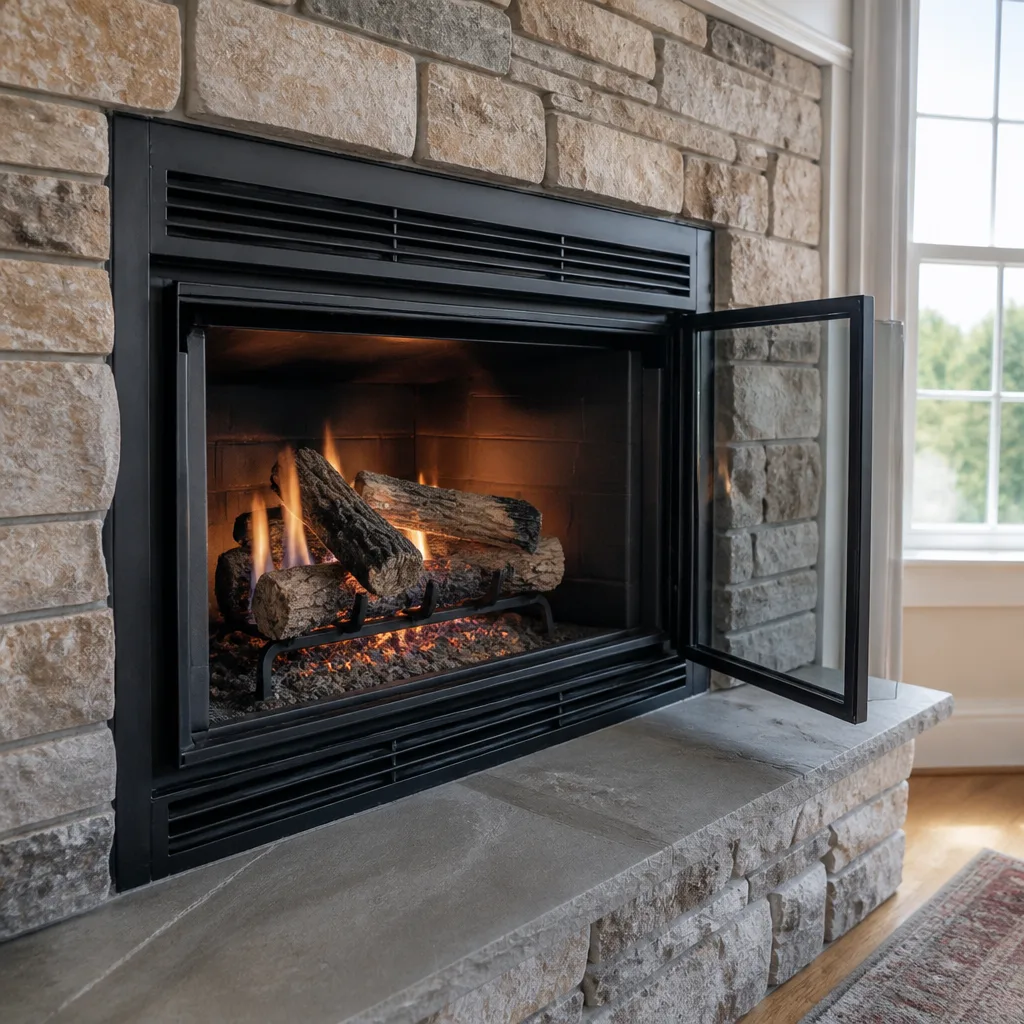 Gas fireplace service
Level 1 sweep and inspection to the NFPA 211 annual standard - flue, crown, cap, and flashing checked and photographed
Chimney sweep logs do not sweep chimneys. They loosen some creosote - which then falls where a brush and vacuum still have to collect it.
Chimney Sweep Troubleshooting in Allen: Common Problems and How to Fix Them
Smoke rolling into the living room gets blamed on a dirty flue almost every time. In our experience across Allen, that guess is wrong often enough to cost homeowners money. A blocked damper produces the same symptom as a soot-packed chimney. A cracked flue liner does too. So does negative air pressure in a tightly sealed newer home, and that one has nothing to do with creosote at all. Cleaning a flue that isn’t blocked fixes nothing. This guide maps each symptom to the system failure behind it, so you walk into every service call knowing what you’re actually looking at and what a fair fix should involve.
Styles & brands we work with
- Sweep & inspection
- Caps & crowns
- Flue relining
- Masonry repair
- Gas fireplace service
Quick Answer
Most chimney problems in Allen trace back to one of four causes: creosote buildup restricting draft, a structural failure like a cracked liner or settled masonry, a damper or throat seal that no longer closes, or house pressure pulling smoke down the flue. Identifying which one you have before you book a sweep prevents paying for cleaning when the real fix is repair, and it tells you when a problem can safely wait. Troubleshooting starts with matching the symptom, not guessing at the cause.
Table of Contents
- Symptom-to-Cause: What Your Fireplace Is Telling You
- Smoke Rollback vs. Slow Draw: Two Different Problems
- Creosote Draft Problems vs. Structural Draft Problems
- Why North Texas Clay Soils Damage Chimneys Differently
- How to Check Your Damper and Throat Seal Yourself
- Odor, Smells, and What They Actually Mean
- Visible Cracking and Spalling: When It’s Structural
- When a DIY Fix Is Fine and When It Isn’t
- Common Mistakes to Avoid
- When to Call a Professional
- Frequently Asked Questions
- The Bottom Line
Symptom-to-Cause: What Your Fireplace Is Telling You
A chimney rarely fails silently. It gives you a symptom first, and that symptom narrows the diagnosis considerably. The trouble is that homeowners tend to lump every symptom under “the chimney needs cleaning,” when the path from symptom to cause forks in several directions. In Allen, where winters are mild and fireplaces burn sporadically rather than constantly, the pattern of problems looks different than it does in colder parts of the country.
Here’s how we map the four most common symptoms to their likely causes:
- Smoke rolling back into the room: Usually a draft problem. Could be a blocked flue, a damper stuck partly closed, a flue that’s too short for the firebox, or negative pressure in the house. Rarely a simple soot issue.
- Slow, weak draw with a fire that struggles to catch: Often creosote narrowing the flue, a partially obstructed cap, or a liner that’s separated or cracked and letting air leak in above the fire.
- Persistent odor when the fireplace is cold: Creosote off-gassing, soot residue holding moisture, or a damper that’s not sealing and letting flue air into the room.
- Visible cracking, crumbling mortar, or flaking on the exterior: Structural. Masonry movement, spalling from moisture, or a deteriorated flue liner that needs assessment before the next fire.
Each symptom has its own diagnostic path, and mixing them up is where misdiagnosis begins. A homeowner with smoke rollback who books a sweep expecting a cleaning may instead need a draft assessment, a damper repair, or an air-pressure fix. The point of troubleshooting is to walk in with the right question, not the wrong assumption.
Why Allen’s Climate Changes the Picture
Allen’s mild winters mean many fireplaces get used intermittently: a few fires in December and January, then months of sitting cold. Intermittent use hides problems. A hairline crack in a flue liner that would announce itself in a season of heavy burning can stay quiet for a year or more. The occasional fire doesn’t stress the system the way constant use does, so failures accumulate slowly and get discovered late. That’s a strong argument for an annual inspection even in a mild climate.
Smoke Rollback vs. Slow Draw: Two Different Problems
Smoke rollback and slow draw look related because both involve a fire that isn’t burning cleanly, but they have different causes and different fixes. Rollback means smoke is exiting the firebox into the room instead of going up the flue. Slow draw means smoke is going up, just not fast enough to keep the fire burning well. In our experience, homeowners frequently describe one when they have the other, which sends the diagnosis in the wrong direction from the start.
Smoke rollback most often comes from one of these:
- A negative-pressure house. Modern Allen homes are built tight, and exhaust fans, range hoods, and HVAC systems can pull more air out of the house than the chimney can replace. The flue reverses and smoke comes down.
- A blocked or partly closed damper. If the damper doesn’t open fully, smoke has nowhere to go but out the front.
- A flue that’s undersized or too short for the firebox opening. Common after a firebox has been modified or a stove insert installed without matching the flue.
- An obstruction at the top. A bird nest, a deteriorated cap, or a blocked spark arrestor.
Slow draw is a different animal. It usually points to a flue that’s narrowed by creosote, a liner that’s separated at a joint, or an obstruction that reduces the effective diameter without fully blocking it. The fire smolders, produces more smoke than it should, and the problem compounds because a smoldering fire deposits creosote faster than a clean-burning one.
The practical difference matters: cleaning fixes slow draw when creosote is the cause, but cleaning does nothing for rollback caused by negative pressure. A quick test before you call helps. Crack a nearby window an inch, light the fire, and see if the smoke behavior changes. If it does, house pressure is part of the story, and that’s a diagnostic point worth telling the technician.
Creosote Draft Problems vs. Structural Draft Problems
This is the distinction that separates a productive service call from a wasted one. A creosote draft problem is a restriction inside the flue: glazed creosote, soot, or debris narrowing the passage. A structural draft problem is a failure in the flue’s containment or geometry: a cracked or separated liner, a rusted flue pipe, a masonry breach, or a flue whose size no longer matches the appliance.
Cleaning fixes the first. It does not fix the second, and it should never be sold as though it does.
How to Tell Which One You Have
- Look at the fire’s behavior over time. Creosote restrictions build gradually and get worse with each fire. Structural failures tend to appear suddenly, or after a specific event like a chimney fire or a season of settling.
- Check for soot staining above the damper. Heavy staining at the throat often suggests a restriction or turbulence, while staining along the smoke chamber walls points more toward a liner or draft geometry issue.
- Look for a broken or missing mortar crown at the top. A failing crown lets water in, and water in a flue corrodes the liner and freezes spalling into the masonry. In Allen’s clay soils, water intrusion plus ground movement is a common structural combination.
- Ask for camera evidence. The only reliable way to distinguish creosote from structural failure is to look down the flue with a camera and see it. Any recommendation to clean or reline should rest on what the camera actually shows.
This is where an inspection-first approach earns its keep. A sweep without a look at the flue is a guess. The same materials that certified chimney engineers specify for relining work, including DuraFlex liner systems and HeatShield resurfacing products, are used because a damaged flue needs a structural fix, not another cleaning. If a liner is cracked, no amount of sweeping makes it safe to burn again. If the problem is glazed creosote, cleaning is the right first move and nothing more.
We find it and fix it in the same visit when the diagnosis supports it, which is the practical advantage of a full sweep-inspect-repair cycle. One company looking at one flue, with no hand-off to a second contractor once the problem is found.
Why North Texas Clay Soils Damage Chimneys Differently
If you’ve lived in Allen for a while, you know the ground here expands and contracts with moisture. North Texas clay soil swells when it’s wet and shrinks when it dries, and that seasonal movement works on a masonry chimney the same way it works on a foundation. A chimney is a tall, heavy, relatively narrow structure sitting on the same shifting clay, and it doesn’t flex. It cracks.
The pattern many homeowners don’t expect is that chimney damage often shows up at the top first. As the soil moves, the chimney can lean slightly, and the mortar joints at the crown and upper courses take the strain. In our experience, spalling, cracked mortar, and crown deterioration are more common in this part of Texas than homeowners moving from cooler or drier regions anticipate, precisely because the ground doesn’t hold still.
Where Soil Movement Shows Up
- The crown. A cracked or crumbling crown lets water into the flue, and the damage compounds from there.
- Mortar joints on the exterior. Look for stepped cracks or joints that have gone soft and sandy.
- Spalling brick faces. When brick flakes or pops at the face, moisture is often driving it.
- The firebox and smoke chamber. Movement stresses the firebox masonry, and a cracked firebox is a safety issue, not a cosmetic one.
What’s different here is the pace. Chimney settling in stable soil takes decades to announce itself. In Allen’s clay, it can move more in a few seasons, and because those winters are mild, a chimney can look fine from the lawn while its flue is quietly separating. The annual inspection isn’t a formality in this climate. It’s the way you find the crack before it becomes a relining project.
When the flue liner itself has deteriorated, resurfacing with HeatShield or relining with DuraFlex addresses the structural problem directly. But the repair only holds if the water and movement causing the damage are addressed too. That’s why we look at the whole chimney, not just the flue.
How to Check Your Damper and Throat Seal Yourself
A surprising number of “chimney problems” turn out to be damper problems, and you can check the damper before you call anyone. It takes a few minutes, a flashlight, and no tools. Getting a clear answer here saves the cost of a service visit for something you can rule out yourself.
- Let the fireplace cool completely. No fire, no embers, no warm ash. Give it several hours.
- Reach up and locate the damper handle. It’s usually at the front of the firebox opening, on top of the lintel.
- Work it open and closed while looking up with a flashlight. Watch whether the damper plate actually moves through its full range. A damper that feels loose, sticks partway, or won’t open fully is a problem on its own.
- With the damper closed, look for light coming from above. Any visible gap means the throat seal is leaking, and a leaking damper lets the cold flue smell come into the room when the fireplace is off.
- With the damper open, look for obstruction. You can see the damper plate and the throat, but you can’t see past the smoke chamber. Anything above the throat is what the camera inspection is for.
If the damper operates smoothly, seals when closed, and shows no obstruction at the throat, you’ve ruled out one of the most common causes. If it sticks, won’t fully open, or shows a light gap when closed, that’s your answer, and it’s worth mentioning when you call. The function test matters: a damper that opens but doesn’t seal is as much a problem as one that won’t open at all, just a different one.
What Requires More Than a Damper Check
The smoke chamber and the flue above the damper can’t be assessed from the firebox floor. Cracks there are common, and they need a camera to see. So do obstructions like a bird nest sitting on top of the smoke shelf or a deteriorated cap with a piece of rusted screen hanging into the flue. Checking your damper narrows the field; it doesn’t replace the inspection.
Odor, Smells, and What They Actually Mean
A cold fireplace that smells is usually not a dirty chimney in the sense homeowners assume. The smell can come from creosote, soot, moisture, or a damper that won’t seal, and each one calls for a different response. Allen’s mild, sometimes humid months make one of these more common than the rest: moisture in the flue, holding onto soot and creosote and releasing it into the room.
Here’s how to read what you’re smelling:
- A strong smoky, campfire smell when the fireplace is cold: Creosote in the flue off-gassing, usually worse on humid days or when the fire hasn’t been used in weeks. A blocked or leaking damper concentrates it in the room.
- A sour or damp smell: Moisture in the flue or a chimney that’s letting water in through a failed crown or missing cap. The water needs to be stopped at the source, not just masked.
- A sharp, acrid smell when you have a fire burning: Incomplete combustion, often from a restricted flue or a fire that’s not getting enough air. This is the one to take seriously because it can mean the flue is not venting properly.
- A smell only when the house is closed up: Negative pressure pulling flue air down into the living space. This often clears when a window is cracked, which confirms the diagnosis.
A real risk worth naming plainly: a flue that isn’t drafting properly can let carbon monoxide back into the house. That’s not scaremongering, it’s the reason a flue is inspected rather than just cleaned. If you smell something acrid while a fire is burning, stop using the fireplace until it’s checked. A carbon monoxide detector is a cheap safeguard in any home with a wood-burning or gas appliance, and a chimney inspection pairs with it.
The smell itself is a symptom. Sweeping alone won’t fix a damp smell caused by a leaking crown, and masking a smoky smell rather than finding the flue restriction just gives it more time to build. Sweeping plus inspection is the combination that lands on the actual cause.
Visible Cracking and Spalling: When It’s Structural
Not every crack is a structural emergency, and not every crack is cosmetic. The difference comes down to where the crack is and what’s behind it. A crack in the outer brick of a masonry chimney and a crack in the flue liner are entirely different things, and telling them apart matters for both safety and cost.
Cracks in the exterior masonry are the ones that tend to be visible and, in Allen’s clay soils, more common than homeowners expect. They’re often tied to settling and moisture. A hairline vertical crack in the brick can be stable; stepped diagonal cracks, or mortar that’s gone soft and sandy, are more likely to point to movement or water damage. The same principle applies to spalling: brick faces that flake or pop are reacting to moisture, and stopping the water source matters as much as repairing the brick.
Flue liner cracks are harder to see and more important. A clay tile or cast-in-place liner that has cracked or separated at the joints no longer contains the combustion products. Creosote can reach the masonry behind it, the flue can leak smoke where it shouldn’t, and the whole venting path becomes unreliable. You can’t diagnose a flue liner from the ground. That’s a camera inspection.
What a Camera Finds That Your Eyes Can’t
In our experience, the moment a technician runs a camera down the flue is where a lot of homeowner anxiety gets resolved or validated. If the camera shows a solid, clean flue, the recommendation is to sweep and stop there. If it shows a cracked liner or separated joints, the fix is structural: resurfacing with a product like HeatShield for a flue with a stable substrate that needs relining, or relining with DuraFlex when the flue needs a new containment surface altogether. The point is that the recommendation follows the camera, not the calendar. Nothing gets recommended that the homeowner can’t see for themselves.
When a DIY Fix Is Fine and When It Isn’t
Some chimney problems are fair to handle yourself. Most aren’t. The line is fairly clear, and it rests on one question: does the fix involve a confined space, a combustion safety issue, or a load-bearing or containment component? If yes, it belongs to a trained professional. If no, it may be a reasonable homeowner task.
Reasonable DIY territory:
- Checking the damper’s function and seal.
- Clearing leaves and debris from around the exterior cap, using a flashlight and a ladder you feel safe on.
- Confirming that a carbon monoxide detector works and is placed in the right room.
- Keeping the firebox and hearth clean of ash and loose soot.
- Cracking a window to test for negative pressure.
Not DIY territory, and this is where continuing to use the fireplace creates a real code and insurance liability:
- Sweeping the flue from the roof or through the firebox. Creosote is a carcinogen and there’s a fall hazard on a roof, and a sweep that leaves glazed creosote behind is worse than no sweep because it gives false confidence.
- Repairing or replacing a damper or throat components, which involves working inside the firebox and getting the seal right.
- Relining a flue. This is a containment component and a life-safety matter, and it’s not a homeowner job.
- Rebuilding a crown, repointing mortar, or repairing firebox masonry. A structural failure hidden by a surface patch is a serious risk.
- Anything involving a gas appliance’s venting. That’s not a homeowner task at all.
The pattern is simple: checking and cleaning up is fine, repairing is not. If you’re not sure which side of the line a job falls on, that uncertainty is your answer. Continuing to burn a fireplace with a known crack, a damaged damper, or a flue you can’t verify is the one situation where “I’ll deal with it later” can cost more than the repair. If a licensed professional has flagged a safety issue and you keep using the fireplace, you’re relying on your insurance to cover a hazard you already knew about.
Common Mistakes to Avoid
- Assuming every problem is a cleaning problem. Smoke rollback from negative pressure, a leaking damper, and a cracked liner all look like dirty-chimney problems and none of them are fixed by sweeping. Get a look at the flue before deciding what to book.
- Skipping the inspection to save on the sweep. The sweep cleans the flue; the inspection finds out whether the flue is sound. In Allen’s clay soil and mild winters, the inspection is where most real problems get caught, and it’s the part that catches structural damage early.
- Burning the fireplace with a known problem. If you’ve seen a crack in the firebox, noticed smoke where it shouldn’t be, or smelled something acrid while burning, stop. Continuing to use a compromised flue is a code and safety issue, not just a chimney annoyance.
- Patching over the cause instead of fixing it. A crown crack, a spalling brick, or a leaking cap will come back if the water source isn’t addressed. Surface patches hide the damage and delay the repair that actually holds.
- Ignoring odor because it “isn’t a fire risk.” Smell is often the first sign of a flue restriction, moisture entry, or negative pressure. It’s worth reading early rather than waiting until the fire doesn’t draft.
- Hiring a generalist for a specialist problem. A general handyman can sweep a flue, but a structural flue issue, a relining project, or a draft diagnosis calls for a chimney-only trade. Chimney systems aren’t a side service, and a generalist is more likely to miss what a specialist would catch.
- Assuming a mild-winter fireplace is low risk. Intermittent use hides problems. A flue check once a year is what keeps a quiet issue from becoming an expensive one.
When to Call a Professional
Some situations need a trained eye, and the list is shorter than it sounds:
- Smoke is entering the room, whether during a fire or after it.
- You see visible cracking, crumbling mortar, or flaking on the exterior, especially near the crown.
- You smell something acrid while a fire is burning, or your carbon monoxide detector has gone off.
- The fireplace hasn’t been inspected since you moved in, or at all.
- You’re selling the house and a buyer’s inspection flagged the chimney.
- The damper won’t seal or won’t fully open, and you want it diagnosed and fixed in one visit.
- A previous sweep found a problem that was never resolved.
Allen Chimney Cleaning offers free estimates in Allen. Call (855) 965-4730 to book a sweep or inspection, and know that sweep, inspection, and repair all happen under one company name. If your situation needs a repair, we use professional-grade trade brands including DuraFlex, HeatShield, Gelco, and Olympia Chimney because the fix should match the problem, not just cover it. There’s no second contractor to call once the diagnosis is made.
Frequently Asked Questions
We recommend an annual sweep and inspection for most Allen homeowners, and the inspection matters as much as the sweep. A fireplace used occasionally can safely go longer between cleanings if the flue was checked and found sound, but the yearly check is what confirms that it’s still sound. In our experience, clay soil movement and mild, intermittent winters mean a chimney can look fine from the outside while its flue quietly deteriorates. A yearly inspection catches that before a small repair grows into a relining project.
A chimney sweep and inspection are priced per job and set by a written estimate at no charge. We book you for a sweep and inspection and confirm what your flue actually needs before any repair work is discussed. Call (855) 965-4730. We answer 24/7. Fast dispatch from 7am to 7pm, Sunday through Friday, to get an exact quote.
Only if the inspection shows the existing liner is cracked, separated, or no longer containing combustion products. A liner protects the masonry and the house, and if it has failed, the flue can’t be depended on. But not every aging liner needs replacing. That’s why we run a camera down the flue and show you what it finds before recommending a reline. Nothing gets recommended that you can’t see for yourself, and if the flue is sound, we’ll tell you that.
With a cracked firebox, a damaged flue liner, or a draft problem, continuing to burn means combustion products and possibly carbon monoxide can reach the living space, and creosote can build in places it shouldn’t. That’s a safety issue, not a comfort one. It also creates an insurance exposure, because if you’ve been told there’s a problem and you keep using the fireplace, you’re relying on your policy to cover a hazard you already knew about. Stop using the fireplace until a specialist has looked at it.
We often can, and that’s the practical advantage of handling sweep, inspection, and repair under one roof. A sweep or a damper repair is a one-visit job in most cases. A structural repair like relining or resurfacing is a booked job with a written estimate that sets the final price, and we’ll tell you honestly if it can safely wait. Call (855) 965-4730 for a free estimate on your flue.
The most common causes are creosote off-gassing, moisture in the flue, and a damper that won’t seal. Humidity makes it worse, which is why it’s often more noticeable in Allen’s warmer months. A leaking damper lets flue air into the room, and a failed crown or missing cap lets water in. A sweep and inspection identifies which cause you’re dealing with, and then it’s fixed in the same visit if it’s a damper or a cleaning issue.
The Bottom Line
Most chimney problems start with a symptom you can read: smoke where it shouldn’t be, a slow, weak fire, a smell that doesn’t go away, or a crack you can see. The job is matching that symptom to the right cause, because cleaning a soot-packed flue and fixing a structural or pressure problem are entirely different jobs. In Allen’s clay soil and mild winters, the annual inspection is the single most valuable step, and it’s what tells you whether a problem is a cleaning or a repair. When you call, lead with the symptom and ask for a look at the flue. A camera inspection you can see is what should drive the recommendation.
Ready to have your flue looked at honestly? Call (855) 965-4730 for a free estimate on a chimney sweep or chimney repair. We answer 24/7. Fast dispatch from 7am to 7pm, Sunday through Friday. That’s how Allen Chimney Cleaning handles it: a full sweep-inspect-repair cycle, professional-grade materials including DuraFlex, HeatShield, Gelco, and Olympia Chimney, and a plain answer about what your chimney needs and what can safely wait.
Written by the team at Allen Chimney Cleaning.
See the difference
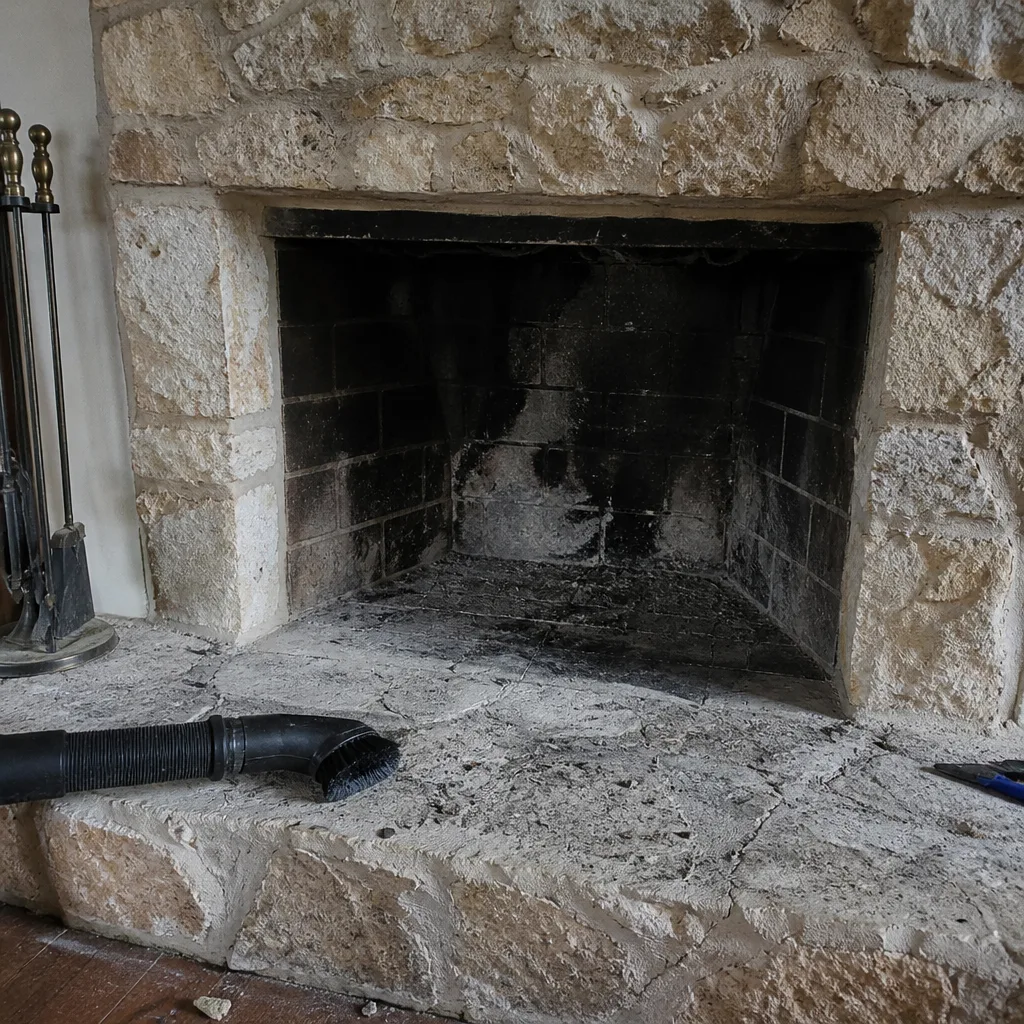 Before
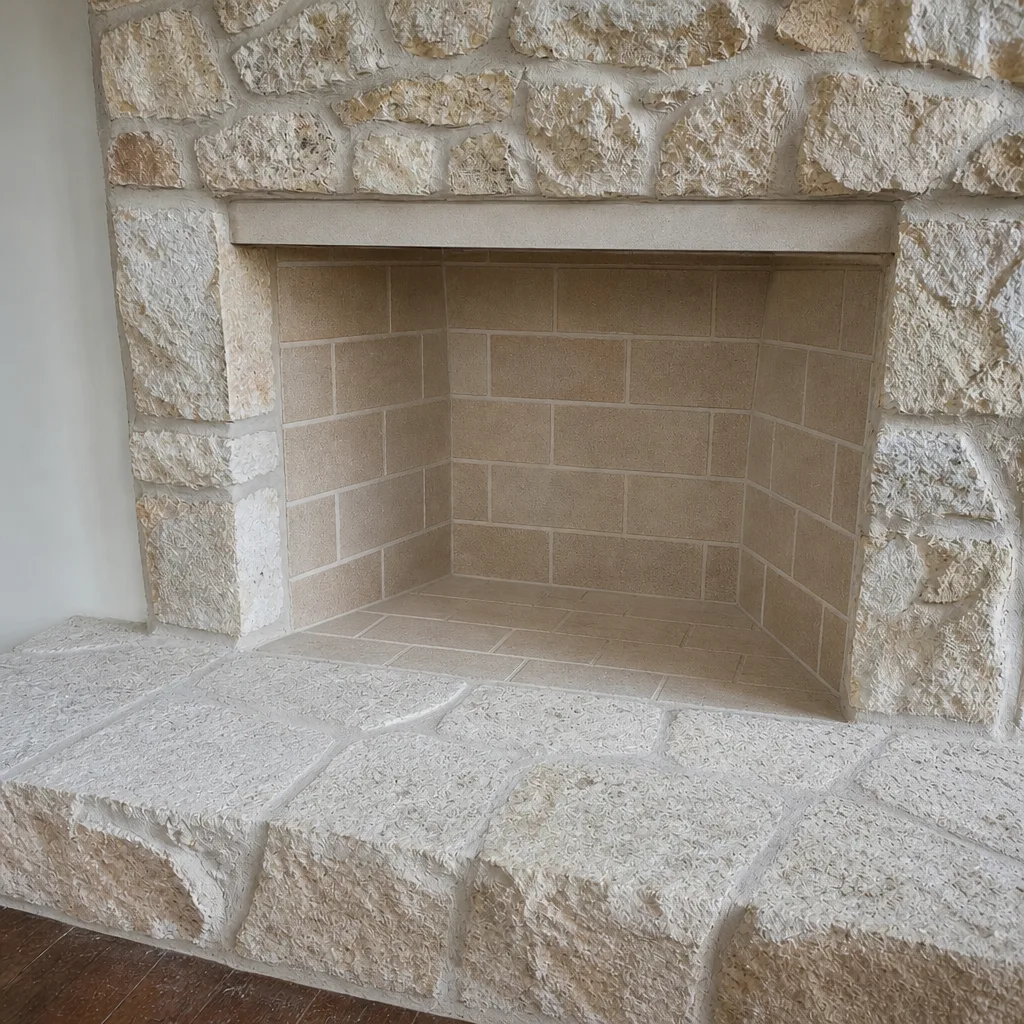 After
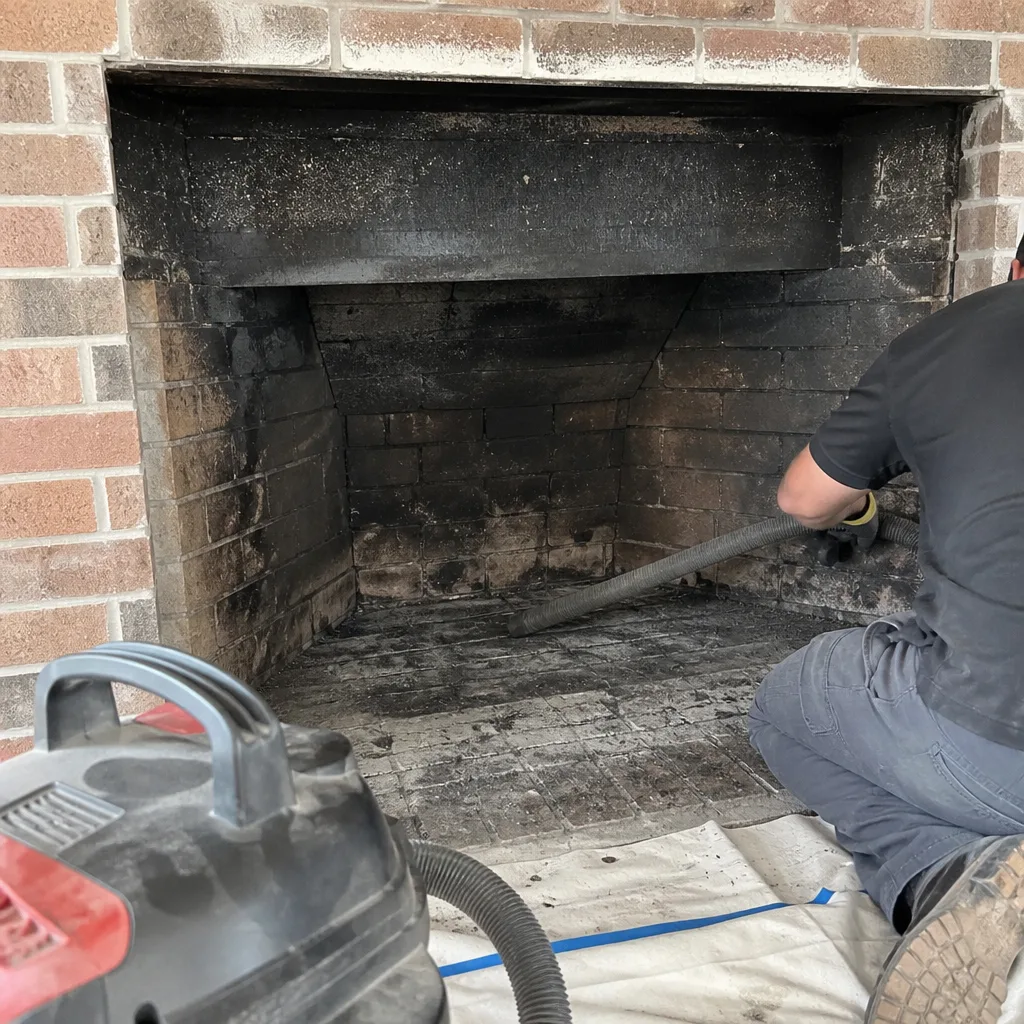 Before
 After
 Before
 After