
Last updated November 15, 2026
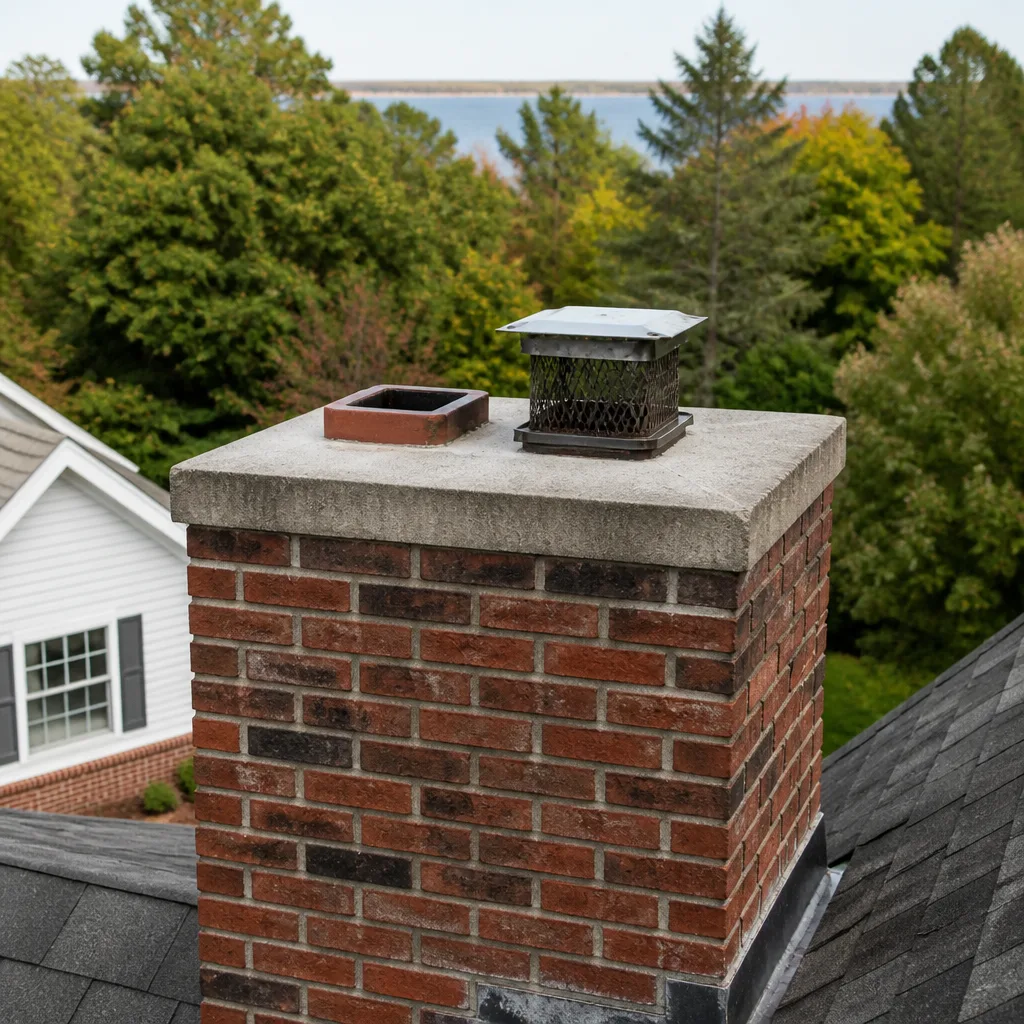 Sweep & inspection
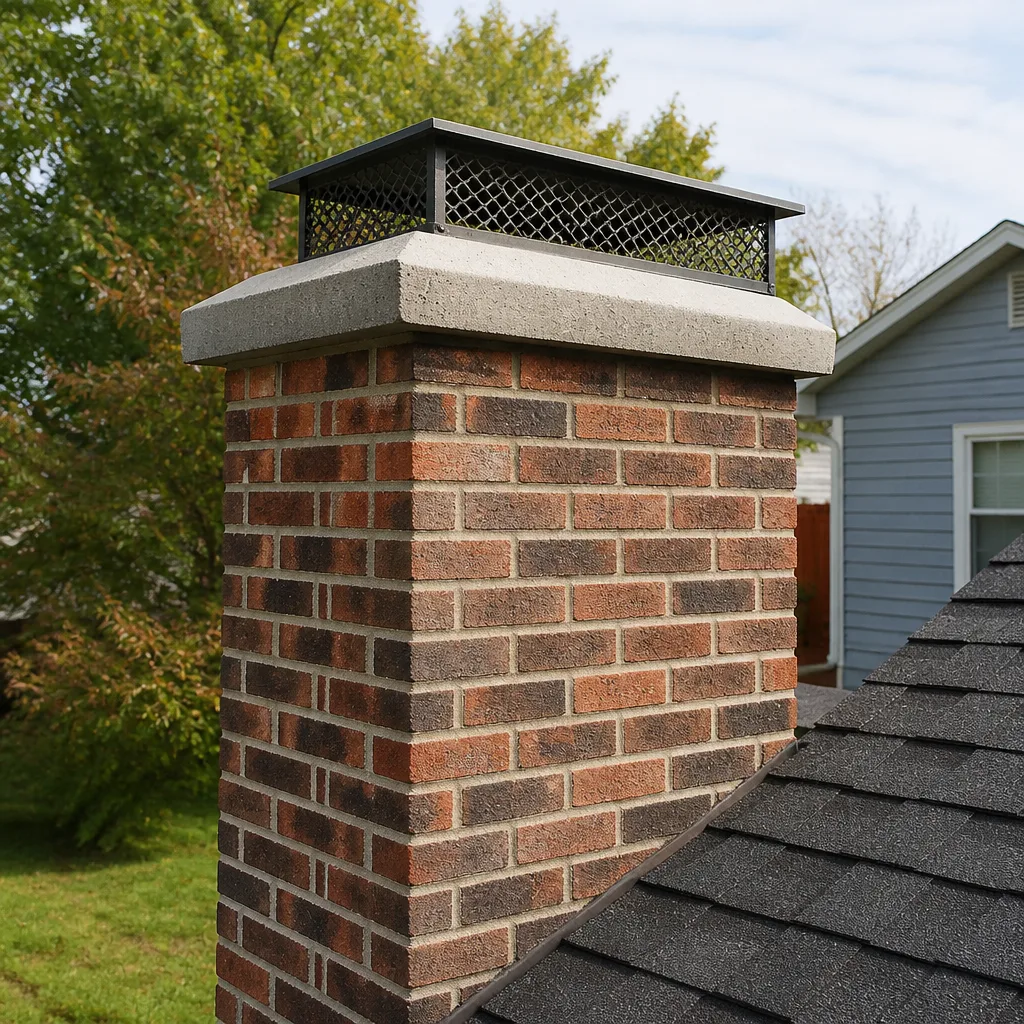 Caps & crowns
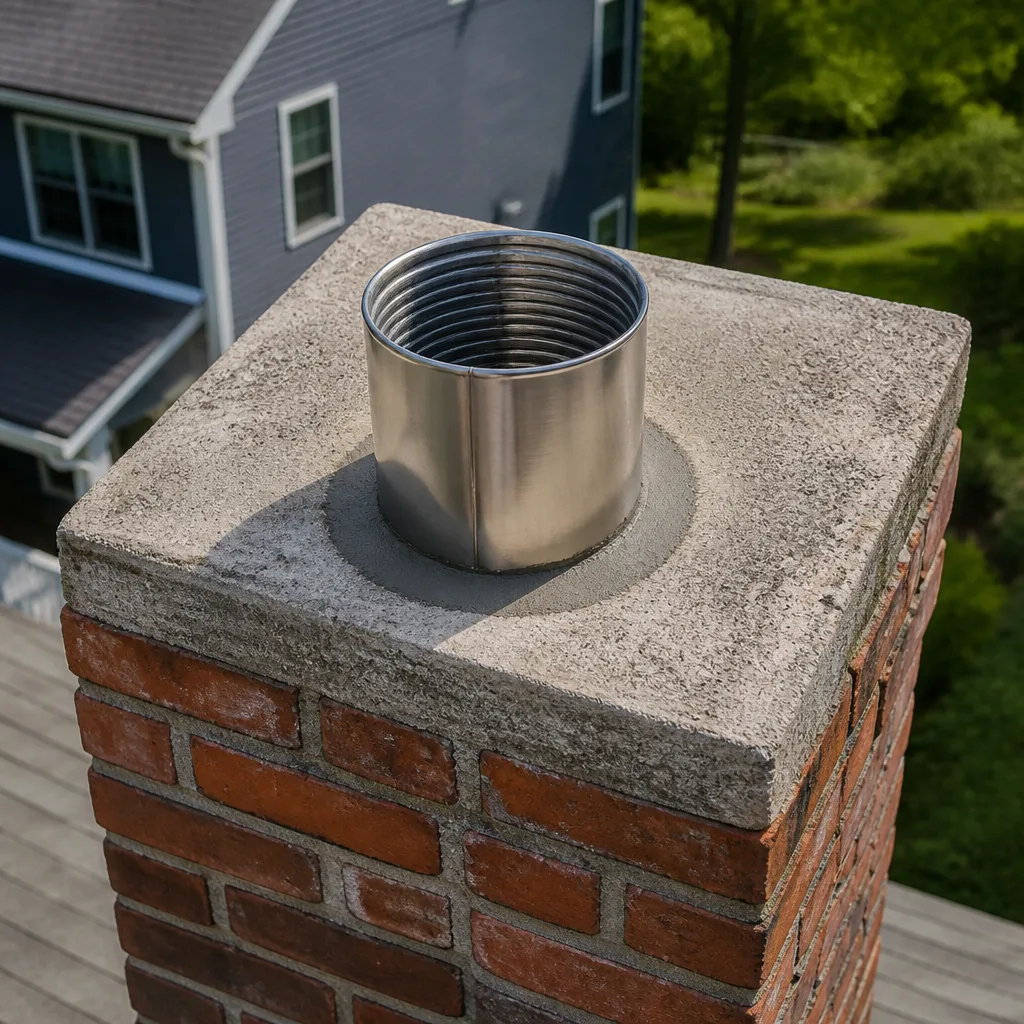 Flue relining
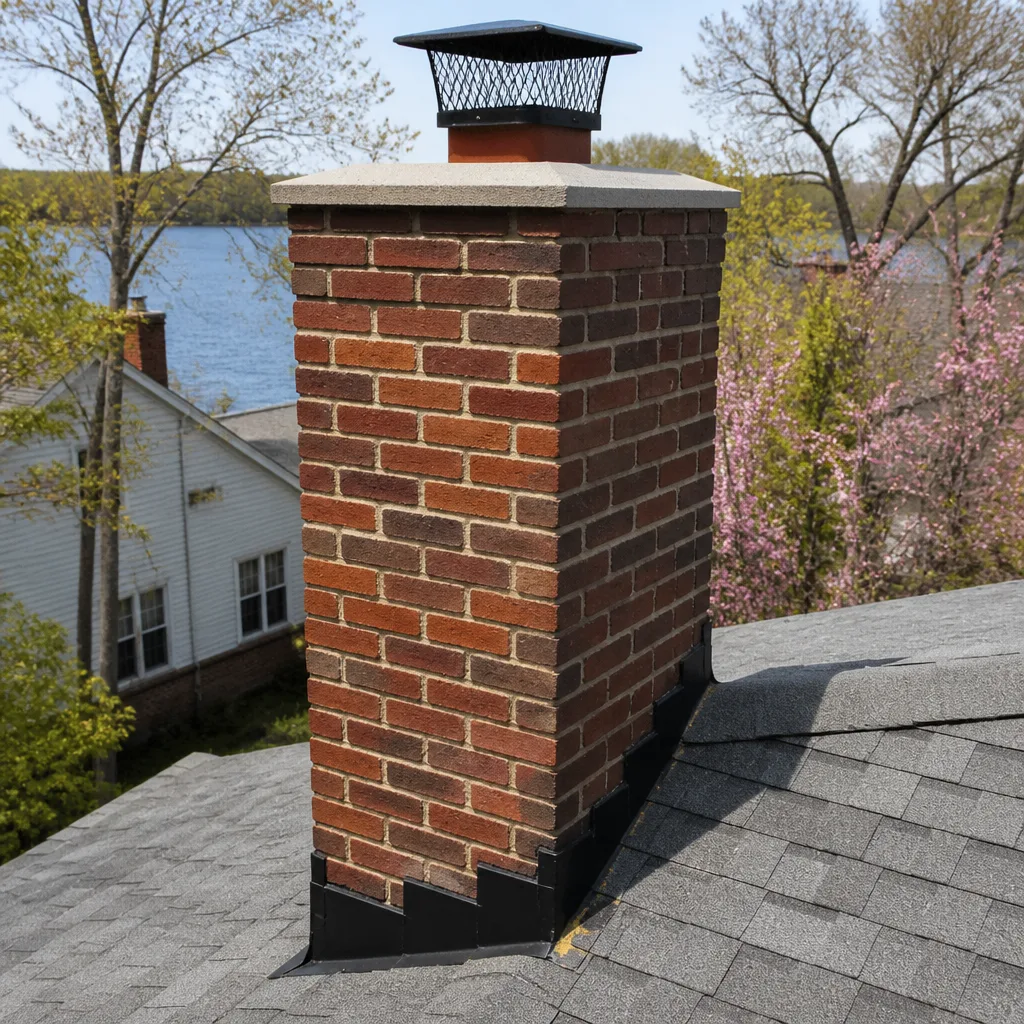 Masonry repair
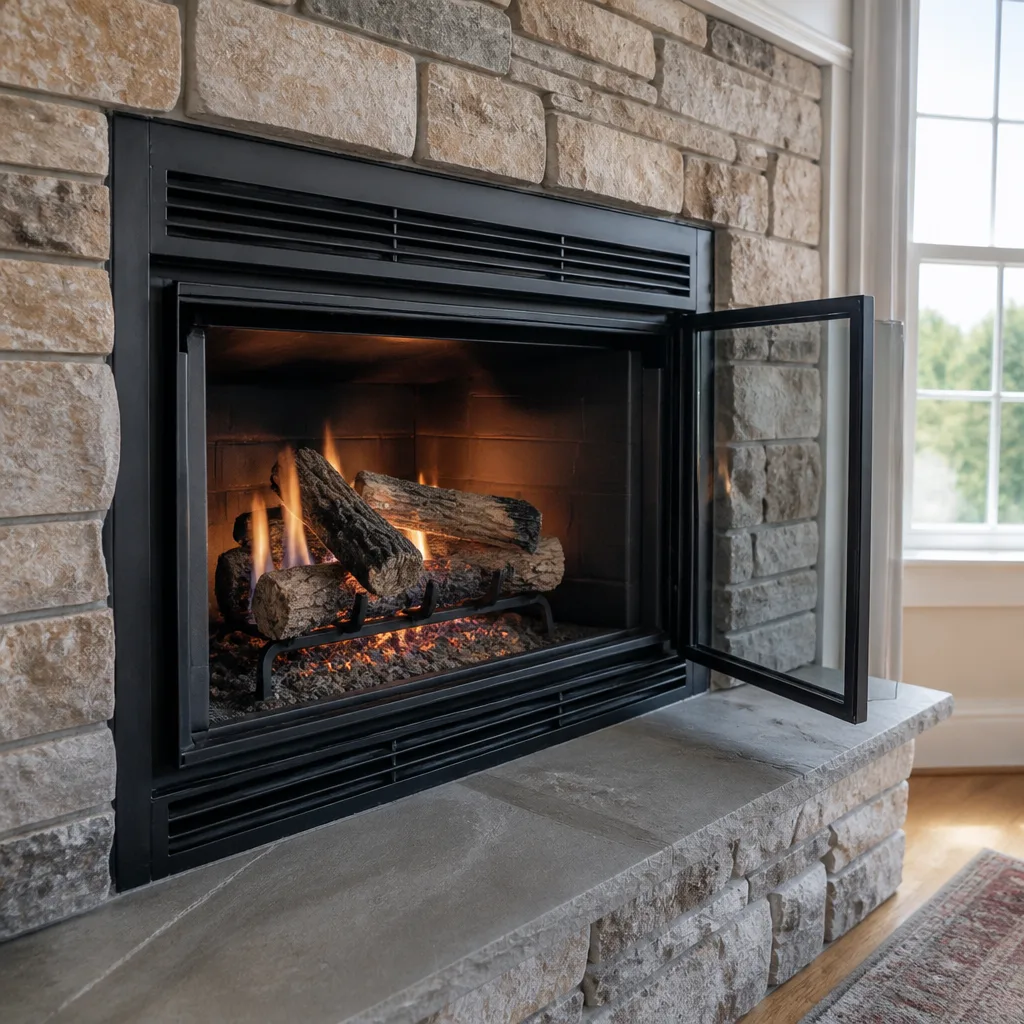 Gas fireplace service
Level 1 sweep and inspection to the NFPA 211 annual standard - flue, crown, cap, and flashing checked and photographed
Chimney sweep logs do not sweep chimneys. They loosen some creosote - which then falls where a brush and vacuum still have to collect it.
The Complete Guide to Chimney Cleaning in Allen
Most chimney fires don’t start during a roaring December fire. They ignite in March, fed by creosote that built up all winter and was never swept before the fireplace was forgotten about until next season. That timing matters in Allen, where mild winters mean homeowners run a fire for a few months, then close the damper and move on. What stays behind in the flue is fuel waiting for the next cold snap. This guide treats your chimney as an engineered system, not a fireplace accessory. We’ll walk through what cleaning actually involves, how Allen’s soil and humidity stress flue liners, what the three inspection levels mean, and how to tell when a sweep is done to standard rather than just done quickly.
Quick Answer
Chimney cleaning in Allen means sweeping creosote and soot from the flue and firebox, then inspecting the entire system – liner, damper, cap, crown, and connections – to confirm it can vent safely. A proper job follows NFPA 211, includes a camera inspection with a report you can see, and finishes with an honest assessment of any repair the flue needs. Standard brushing only reaches so far; glazed creosote and cracked flue tiles require more than a sweep.
Styles & brands we work with
- Sweep & inspection
- Caps & crowns
- Flue relining
- Masonry repair
- Gas fireplace service
Table of Contents
- How Allen’s Climate and Soil Affect Your Chimney
- Why Creosote Stage Matters More Than Sweeping Frequency
- Level 1, 2, and 3 Inspections: Which One Do You Need?
- What “Clean” Actually Means Under NFPA 211
- The Full Sweep-Inspect-Repair Cycle as One Workflow
- Signs Your Allen Chimney Needs Attention Now
- When a Liner Crack Means Repair, Not Just Cleaning
- How to Schedule and What to Expect
How Allen’s Climate and Soil Affect Your Chimney
Allen sits on expansive clay soil, and that single geological fact changes how chimneys fail here compared with most of the country. Clay swells when it absorbs water and shrinks as it dries. Through North Texas’s wet spring and dry summer, the ground under and around a foundation moves, sometimes by more than most homeowners realize. That movement transfers into the structure above it, including the masonry chimney.
A chimney that sees light use can still develop cracked flue tiles from foundation shift alone. The tiles are rigid. The house around them is not. When the two move against each other, hairline cracks open in the liner, and those cracks let heat and carbon monoxide reach parts of the chimney they were never meant to touch. This is why we treat every Allen sweep as a system check, not just a brushing job. Our technicians have up to 12 years of experience, and the cracked-flue-in-a-barely-used-fireplace call is one we see regularly here.
High-humidity summers add a second layer of stress. Moisture that finds its way into a masonry chimney – through a missing cap, a failing crown, or a cracked tile – combined with the heat exterior walls radiate during a Texas summer, accelerates spalling. Brick faces flake. Mortar joints crumble. A chimney that looks fine from the driveway can be deteriorating inside.
What the local weather does not do
Allen’s winters are mild, so the deep-freeze damage you read about in northern chimney guides isn’t the main story here. The bigger issues are the wet-dry soil cycle, summer humidity, and the long idle months when a dormant chimney quietly degrades without anyone noticing. That’s why Allen homeowners benefit from an annual look even when the fireplace gets modest use.
Why Creosote Stage Matters More Than Sweeping Frequency
The number of sweeps you book matters far less than what’s coating the inside of your flue. Creosote builds in recognizable stages, and each one calls for a different response. A homeowner who sweeps once a year can still end up with dangerous buildup if the fire is run poorly or the wood is wet.
The three stages of creosote
- Stage 1 – soot and light flaky deposits. This brushes away easily with standard tools. It’s the normal residue of a clean-burning fire and the easiest to remove.
- Stage 2 – hardened, crusty deposits. This clings to the flue wall and can’t be brushed off with a light pass. It takes mechanical action – rotary tools, scrapers – to break the bond. It is highly combustible.
- Stage 3 – glazed creosote. This is the dangerous one. It looks like a shiny, hardened varnish fused to the liner. Standard brushing won’t touch it. It burns hot enough to crack flue tiles and ignite the structure around the chimney.
Spotting Stage 2 or 3 isn’t something you can do by peeking up the flue with a flashlight. It requires a camera inspection and a technician who knows what they’re looking at. In our experience, the difference between a routine sweep and a real repair often comes down to catching hardened creosote before it glazes. If the creosote has reached Stage 3, brushing alone is a false sense of security – the flue needs proper treatment or relining.
Why frequency alone misleads
Two houses on the same Allen street can need very different work. The one burning seasoned hardwood with good draft produces far less creosote than the one burning green wood or smoldering damped-down fires. Frequency is a starting point. The condition of the flue is the real answer.
Level 1, 2, and 3 Inspections: Which One Do You Need?
Not every inspection is the same depth, and knowing the difference protects you from paying for more than you need – or accepting less than the situation requires. The three levels are defined by NFPA 211, and each answers a different question.
- Level 1 – routine, readily accessible check. Covers the firebox, damper, and the visible portions of the flue and connections. It’s appropriate for a chimney under regular use with no known problems and no changes to the system. This is the baseline annual inspection.
- Level 2 – the camera inspection. Adds a video scan of the entire flue interior, plus accessible attics, crawlspaces, and the chimney exterior. Needed after any change to the system – a new appliance, a relining, a change in fuel – or after a chimney fire, earthquake, or severe weather event. This is the level most Allen homeowners want after a North Texas ice storm, because ice loading and wind can shift masonry and open cracks you can’t see otherwise.
- Level 3 – diagnostic, with access to concealed areas. Used when a Level 1 or 2 uncovers a problem that can only be assessed by opening up walls, ceilings, or the chimney itself. It’s reserved for specific suspected hazards.
The practical takeaway: a standard annual visit is Level 1. Anything that happened to the house – storm, new insert, new gas appliance, chimney fire, or a persistent smell or smoke rollback – pushes you to Level 2. Our inspection-first methodology means we recommend the level the flue actually needs, with camera evidence you can watch, rather than the level that runs up a bill.
What “Clean” Actually Means Under NFPA 211
“Clean” in the chimney trade has a definition, and it’s more than a fresh smell and a tidy firebox. NFPA 211 sets the standard: the chimney system must be free of combustible deposits and obstructions, and all its components must be sound enough to vent safely. A low-bid sweeper can leave your fireplace looking spotless while leaving hardened creosote on the flue wall. That’s not a clean chimney – it’s a cosmetic one.
What a proper clean confirms
- The flue interior is free of soot, creosote, and any obstruction – nests, leaves, collapsed tile, or debris.
- The damper opens and closes fully and seals correctly.
- The liner is intact, with no cracks, gaps, or missing sections.
- The cap and crown are intact, so water and animals stay out.
- Connections on stoves and inserts are secure and undamaged.
- The firebox and smoke chamber are sound.
- Draft is verified, so exhaust moves up and out rather than back into the room.
That last point matters in Allen. Smoke rollback – smoke pushing into the room instead of up the flue – is a draft problem, not necessarily a cleaning problem, but it’s often the first thing a homeowner notices. A real sweep diagnoses the cause. Our work finishes with a camera inspection and a photo report included, so you can see the condition of your own flue and verify the assessment rather than take it on faith.
The Full Sweep-Inspect-Repair Cycle as One Workflow
Most homeowners think of chimney work as three separate errands: call a sweeper, then call an inspector, then call a repair company when something turns up. It doesn’t have to work that way. Treating the sweep, the inspection, and the repair as one continuous workflow removes the hand-offs, the waiting, and the second contractor who has to start from scratch.
- Protect the space. Drop cloths and floor protection go down before any tool comes out. Soot travels; we keep it contained.
- Sweep the flue and firebox. Proper brushes and rods sized to your flue clear the soot and loose deposits. Stage 1 comes off cleanly here.
- Address hardened deposits. If the creosote has crusted or glazed, rotary tools and scrapers do the work a brush can’t. This is where a real sweep separates from a quick one.
- Run the camera inspection. The video scan goes the full length of the flue, checking the liner, joints, and any offsets. You watch the findings with us.
- Assess and recommend. We tell you honestly what the flue needs – nothing that can safely wait, and nothing skipped that can’t. The written estimate sets the price before any repair begins.
- Repair in the same visit where possible. Relining, resurfacing, caps, crowns, and damper work use professional-grade trade brands – DuraFlex for liners, HeatShield for flue resurfacing, Gelco and Olympia Chimney for related components. The same materials specified across the trade, not big-box substitutes.
That single-company capability is the whole point. We work exclusively on chimneys, so the person who sweeps and inspects is the person who can fix what’s found – no “you’ll need to call someone else for that.” We find it and fix it in the same visit when the job allows.
Signs Your Allen Chimney Needs Attention Now
Chimney problems rarely announce themselves with drama. They show up as small, easy-to-explain-away symptoms. Watch for these and treat any one of them as a reason to book a look rather than wait until the next burning season.
- A smell when the fireplace is off. That acrid, smoky odor on a warm day is often built-up creosote off-gassing, or a downdraft pulling soot smell back into the room.
- Smoke rollback. Smoke entering the room instead of rising signals a draft or obstruction problem that cleaning alone may not solve.
- Visible damage. Cracked or flaking brick, crumbling mortar, a loose cap, or a damaged crown all compromise the chimney’s ability to keep water and animals out.
- Debris in the firebox. Leaves, twigs, or nesting material that dropped down is a sign the cap isn’t doing its job – and a blockage risk.
- Water stains or rust on the firebox or damper. Moisture is getting in somewhere it shouldn’t.
- A draft that feels weak or reversed. Poor draft affects combustion and safety.
Any of these is enough to justify a professional look. The risk to respect here is real: creosote fires and carbon monoxide are genuine hazards, not scare tactics. A clean, sound flue vents safely; a compromised one doesn’t, and you usually can’t tell which you have without looking.
When a Liner Crack Means Repair, Not Just Cleaning
A cracked flue liner is one of the most consequential things an inspection can find, and in Allen it’s often found in chimneys that seemed to be working fine. A hairline crack in a clay tile is enough to let heat and gases escape into the masonry and surrounding framing. That’s a structural problem, not a cleaning one.
Fortunately, a cracked or deteriorated liner doesn’t always mean an expensive rebuild. Modern lining systems restore the flue from the inside. Relining with a DuraFlex system creates a new, continuous vent pathway sized to your appliance – the trade-standard fix for a failed liner. Where the flue interior is rough or deteriorating but structurally sound, HeatShield resurfacing rebuilds a smooth, protective layer inside the existing flue.
How we decide which repair fits
- Minor surface deterioration, sound structure: resurfacing restores the flue wall and protects it going forward.
- Cracked or missing clay tiles, or an unlined flue: relining creates a new continuous liner.
- Oversized or undersized flue for the appliance: the right-sized liner improves draft and combustion.
We recommend nothing without camera evidence you can see for yourself. If the crack is small and the flue is safe, we’ll tell you so, and tell you plainly when an issue can wait. That’s your flue, honestly assessed – the assessment is the service, not a script for an upsell.
How to Schedule and What to Expect
Booking a sweep in Allen is straightforward, and knowing the sequence helps you plan around it. If you suspect a problem, call. If you’re due for routine care, book ahead of the season so the work is done before you need the fireplace again.
- Call with the basics. Tell us what you burn – wood, gas, an insert, a stove – and what you’ve noticed. That tells us what to prepare for.
- Book a sweep and inspection together. The two are handled in one visit, so you’re not scheduling twice.
- Expect a flat-price arrangement agreed before booking. No surprise line items – the price is set per job by the written estimate.
- Watch the inspection findings. You see the camera report with us, including photo documentation, before any recommendation is made.
- Decide on repair with the facts in hand. If work is needed, we can often complete it the same visit. If it can wait, we’ll say so.
Expect a straightforward visit with floor protection, a clear report, and a written estimate you can read at your own pace. Our chimney sweep page covers the routine visit in more detail, and our chimney repair page explains the fixes beyond cleaning.
Common Mistakes to Avoid
- Skipping the inspection to save a step. A sweep without an inspection misses cracked tiles and hardened creosote. In Allen’s shifting clay soil, the flue can be compromised even when the fire burns fine.
- Taking the lowest bid without asking what “done” means. A cheap brush-and-go leaves glazed creosote in place. Ask whether the visit includes a camera inspection and a written report.
- Burning unseasoned or “green” wood. Wet wood produces far more creosote and smolders more than it burns. Dry, seasoned hardwood keeps deposits down.
- Assuming a seldom-used fireplace needs no attention. Foundation shift and summer humidity degrade a liner regardless of how often you burn. Light use doesn’t mean a safe flue.
- Ignoring a persistent smell or smoke rollback. Both point to a problem a sweep alone won’t fix. They need a diagnosis, not air freshener.
- Treating a chimney cap or crown as cosmetic. A missing cap or cracked crown lets water into the masonry and starts deterioration that’s far more expensive to correct later.
- Hiring a general handyman for chimney work. Chimney systems are engineered, and the work calls for a specialist. Sweep-inspect-repair, done by people who work on nothing else.
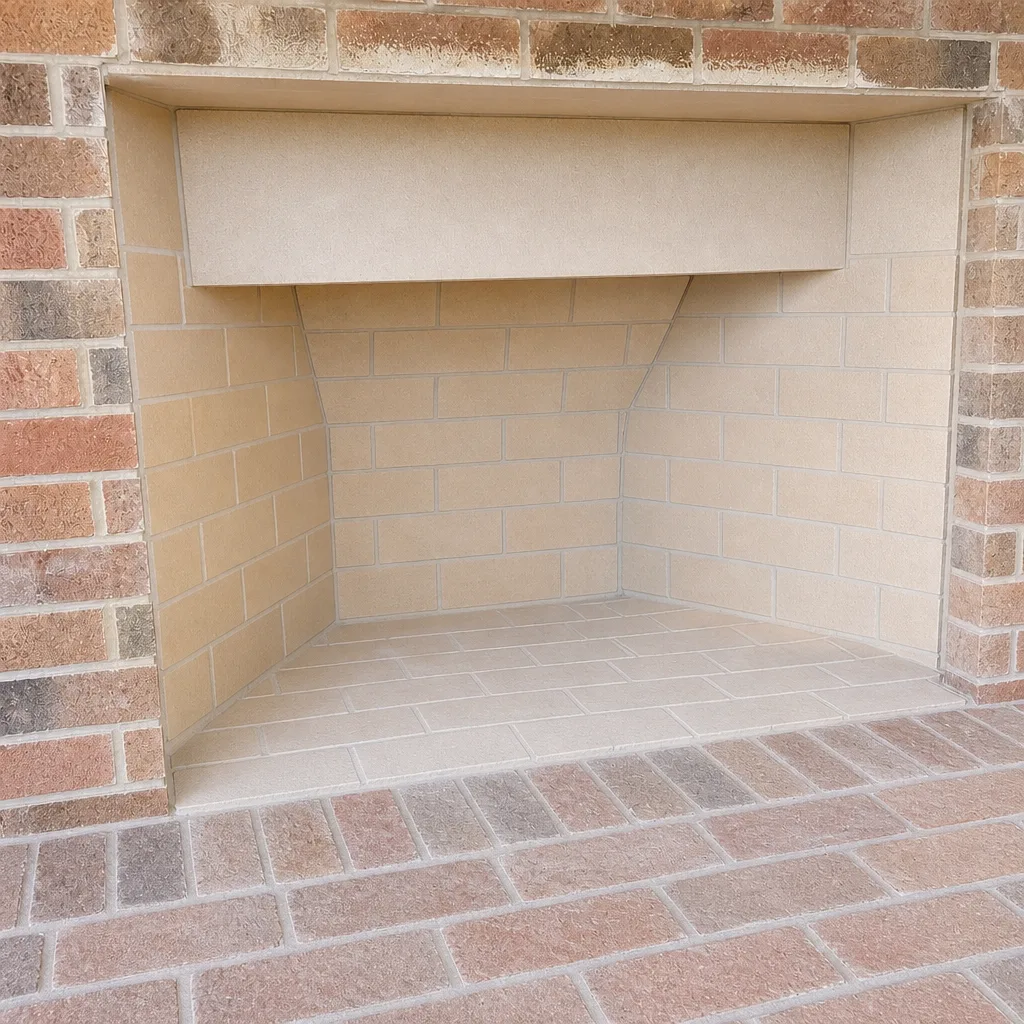
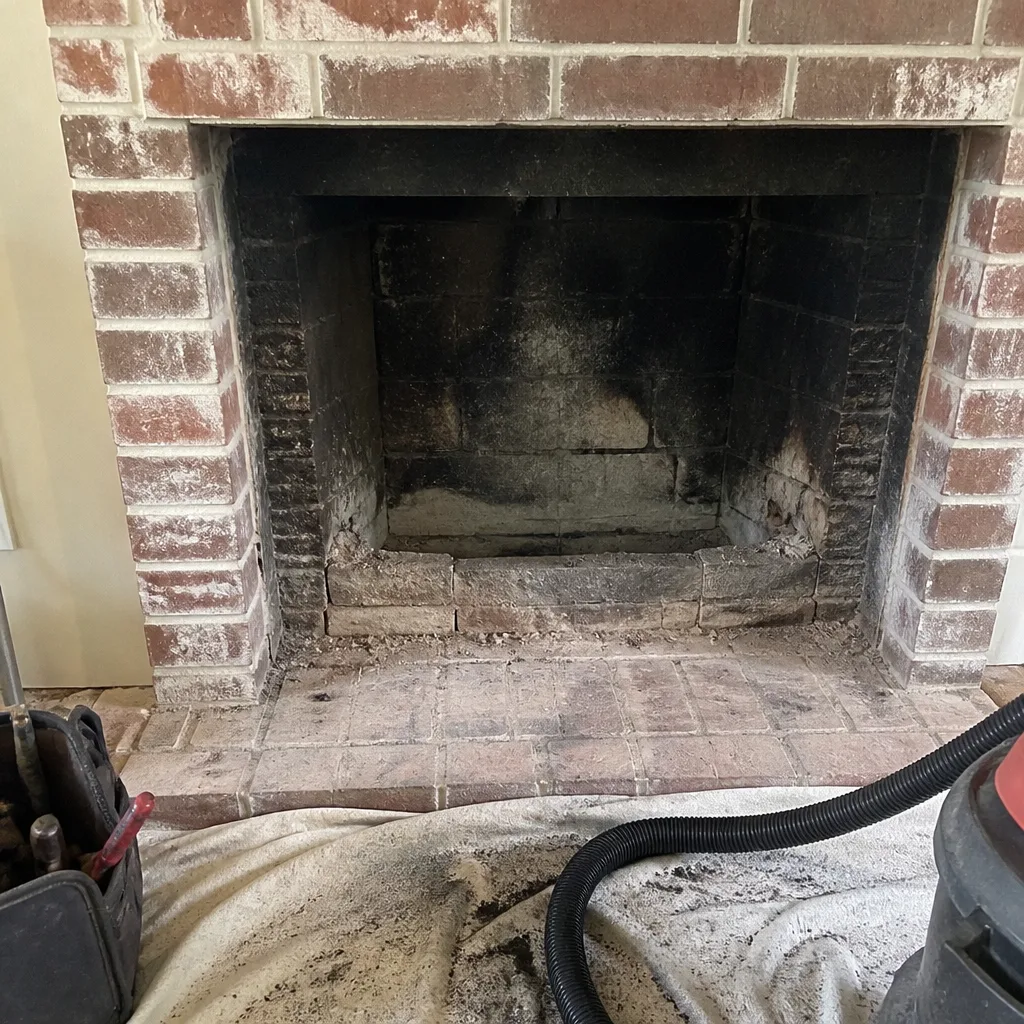
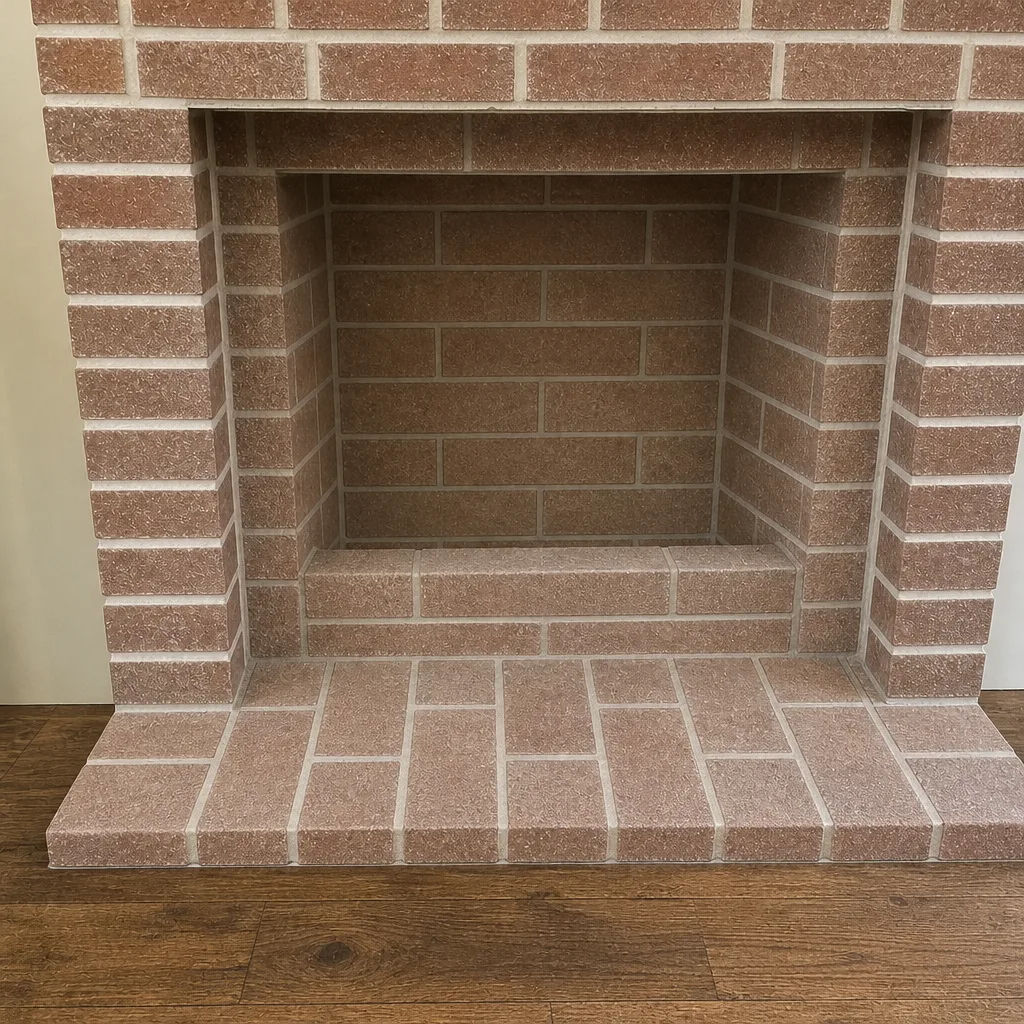
See the difference
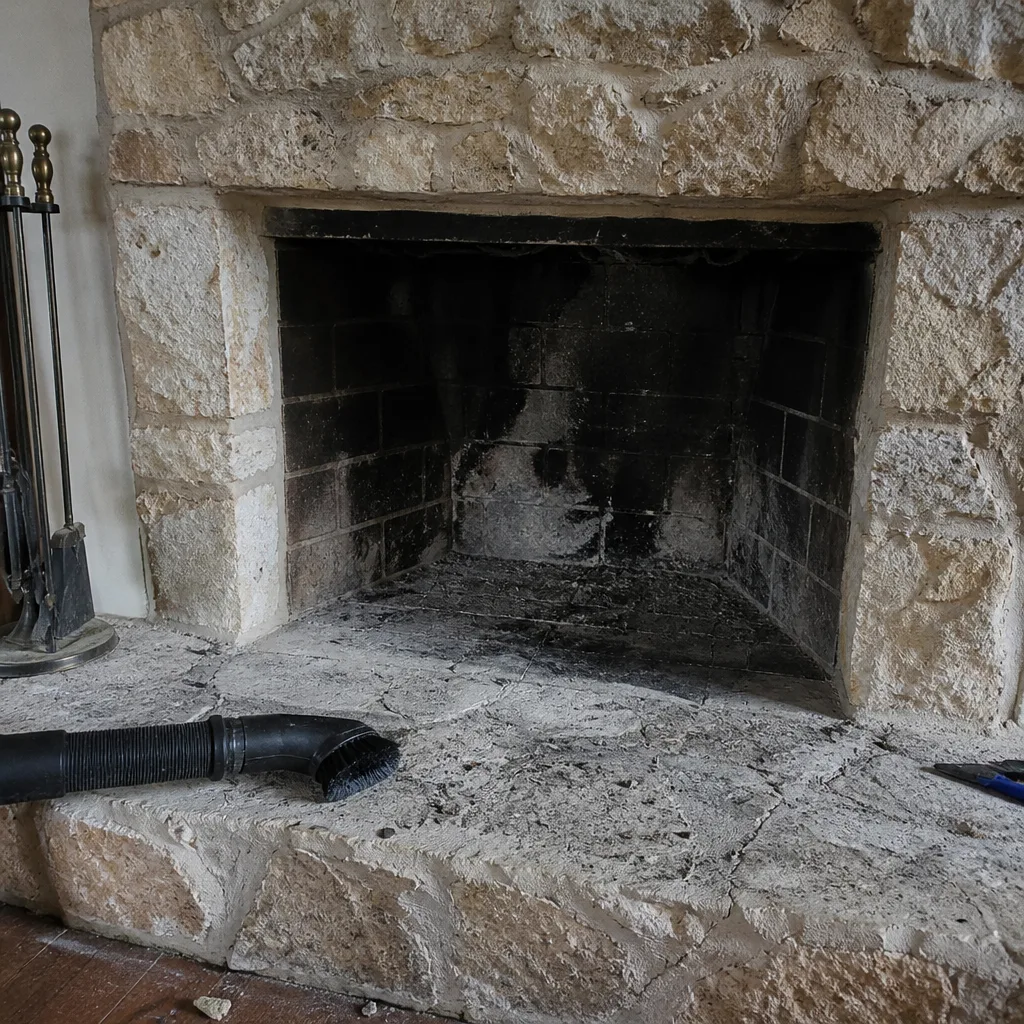 Before
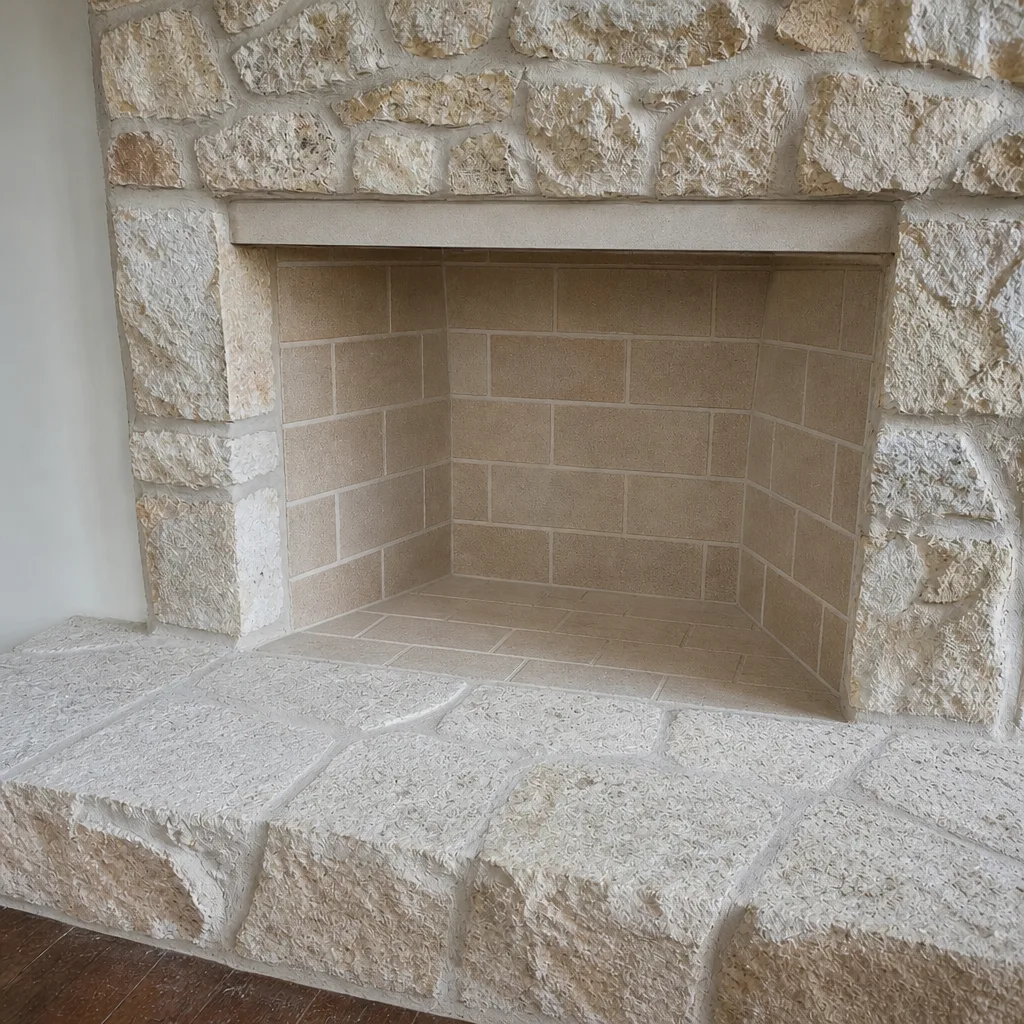 After
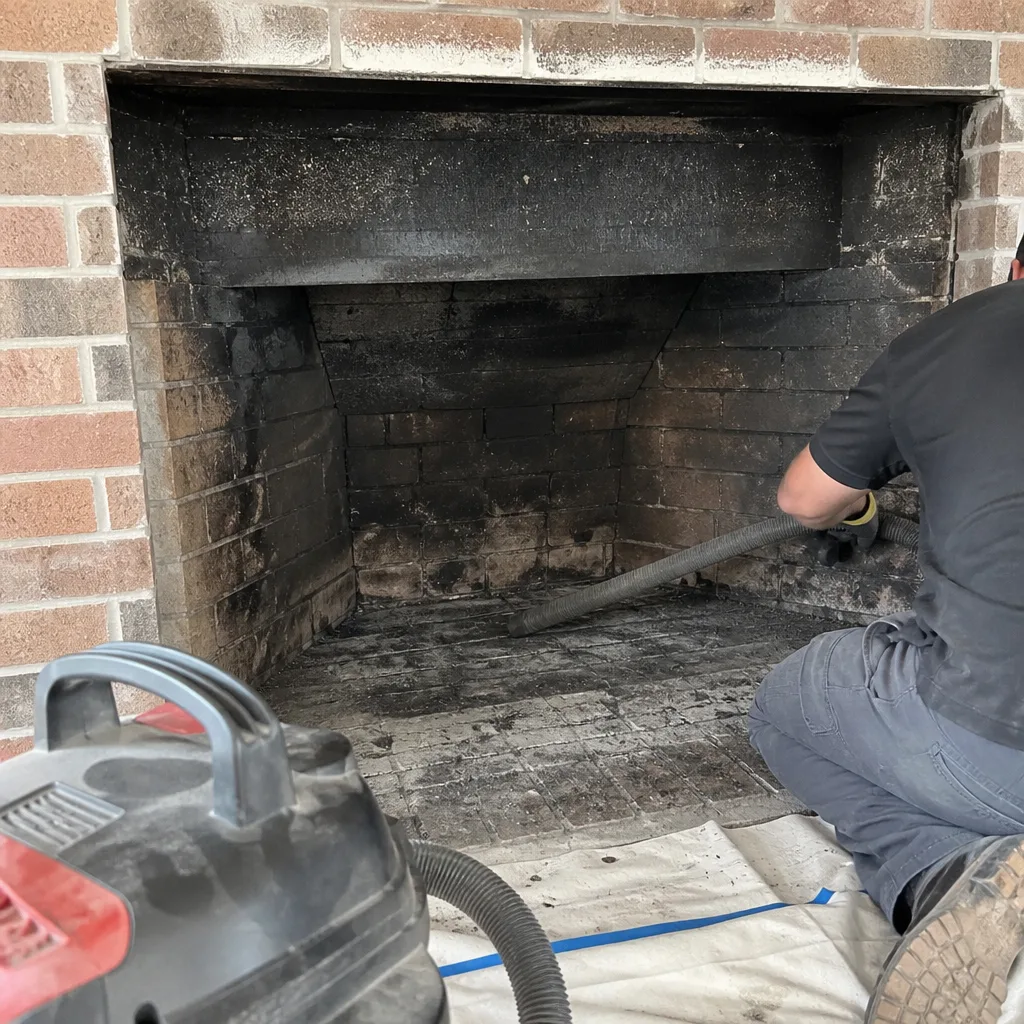 Before
 After
 Before
 After
When to Call a Professional
Call a professional if you have any of these: a smell when the fireplace is cold, smoke coming into the room, visible cracks or crumbling brick, a loose or missing cap, water stains near the firebox, or debris falling into it. Call if you’ve had a chimney fire, a storm, or a new appliance installed – those point to a Level 2 inspection. And call for routine annual care before the burning season, so buildup is cleared before it hardens. Many of these are genuinely do-it-yourself-friendly to spot but not to fix; flue interiors and liner work involve real risk and require trained hands. Allen Chimney Cleaning offers free estimates in Allen – call (855) 965-4730. We answer 24/7. Fast dispatch from 7am to 7pm, Sunday through Friday.
Frequently Asked Questions
Chimney cleaning in Allen is priced per job by a written estimate given before any work begins, so the number reflects your flue, not a flat rate pulled from a hat. The estimate is free, and the price is set per job by that written estimate. Call (855) 965-4730 for an exact quote – estimates are free.
Most wood-burning chimneys should be swept once a year or whenever deposits reach about an eighth of an inch, whichever comes first – but creosote stage matters more than the calendar. A heavily used or poorly drafting flue may need attention sooner. Call (855) 965-4730 to book a look and get an honest read on what yours needs.
Only if your inspection shows a crack, gap, or deterioration that can’t safely vent exhaust – it isn’t an automatic recommendation. We show you the camera evidence and tell you plainly when a repair can safely wait. If a liner is needed, we use a DuraFlex system sized to your appliance. Call (855) 965-4730 to find out what your flue actually needs.
Creosote keeps building, hardens into combustible stages, and can fuel a chimney fire or block the flue. It also hides liner damage that, left alone, can let carbon monoxide and heat escape into the structure. The risk is real but manageable with a proper sweep. Call (855) 965-4730 to get ahead of it.
A chimney is an engineered venting system, and cleaning it properly calls for a chimney specialist with the right tools and a camera to inspect what brushing can’t reach. A generalist can leave hardened creosote and miss a cracked tile. Allen Chimney Cleaning works on chimneys only. Call (855) 965-4730 for a visit from a dedicated specialist.
Sometimes, but not always – smoke rollback is a draft problem that needs diagnosis, not just sweeping. It can stem from an obstruction, a sizing mismatch, or a liner issue. We trace the cause with an inspection before proposing a fix. Call (855) 965-4730 and we’ll find the reason.
The Bottom Line
Chimney cleaning in Allen is a system inspection, not a soot-removal errand. Your flue sits in expansive clay soil, tolerates humid summers, and can develop cracked tiles from movement even with light use – so an annual sweep paired with a camera inspection is the minimum that keeps it safe. Creosote stage matters more than frequency; Stage 2 and Stage 3 deposits need more than a brush. Know what “clean” means under NFPA 211, understand the three inspection levels, and keep the sweep, inspection, and any repair with one specialist. That’s Allen Chimney Cleaning – our technicians have up to 12 years of experience, a single-trade focus, and a camera report you can see for yourself.
Call (855) 965-4730 for a free estimate. We answer 24/7. Fast dispatch from 7am to 7pm, Sunday through Friday. Flat-price sweep agreed before booking, camera inspection and photo report included, and a satisfaction guarantee behind the work.
Written by the team at Allen Chimney Cleaning.