
Last updated November 16, 2026
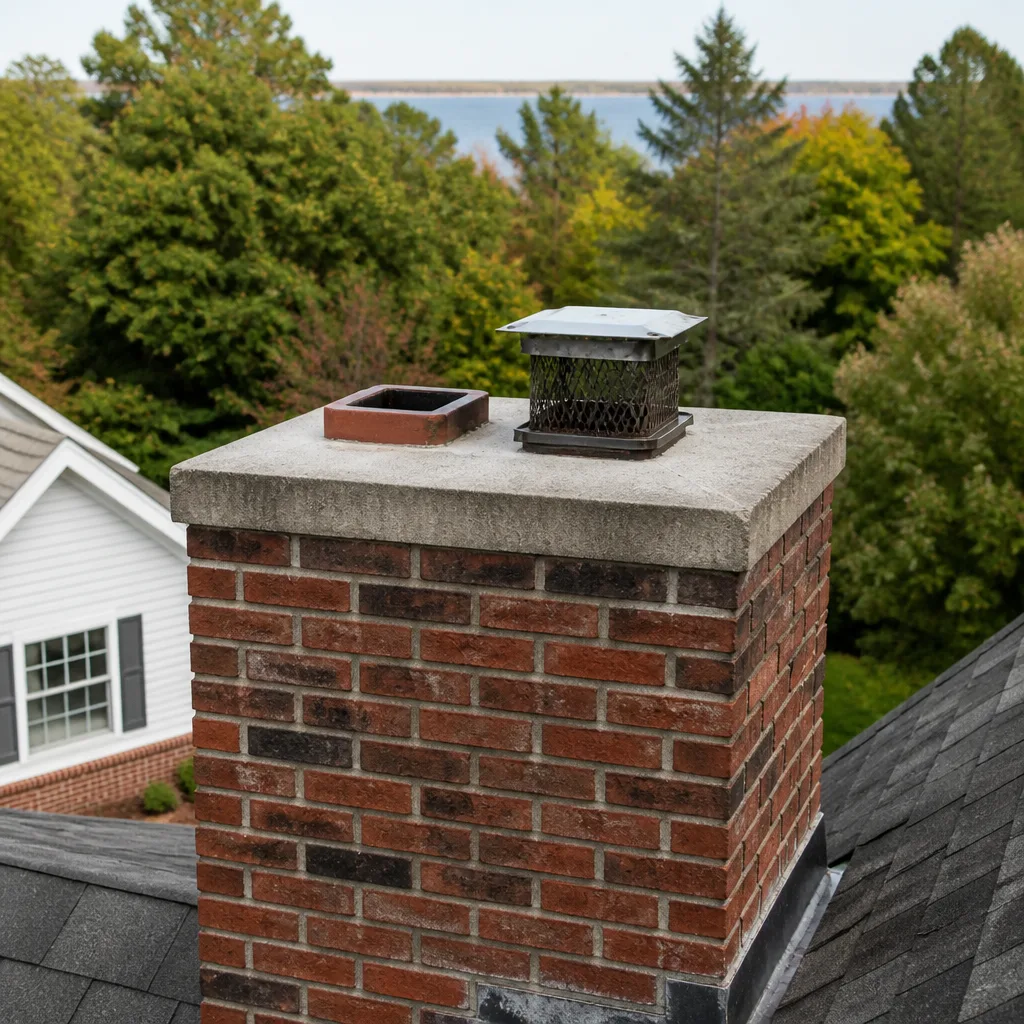 Sweep & inspection
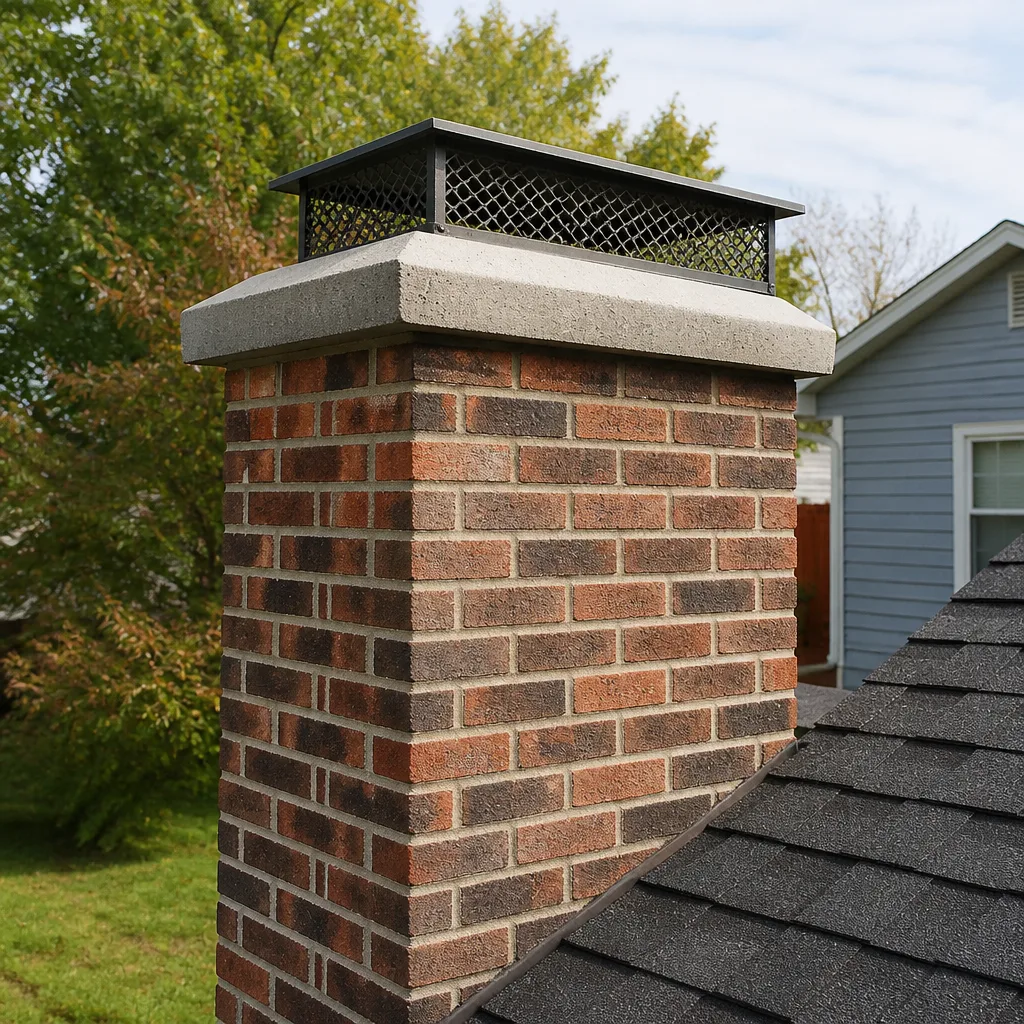 Caps & crowns
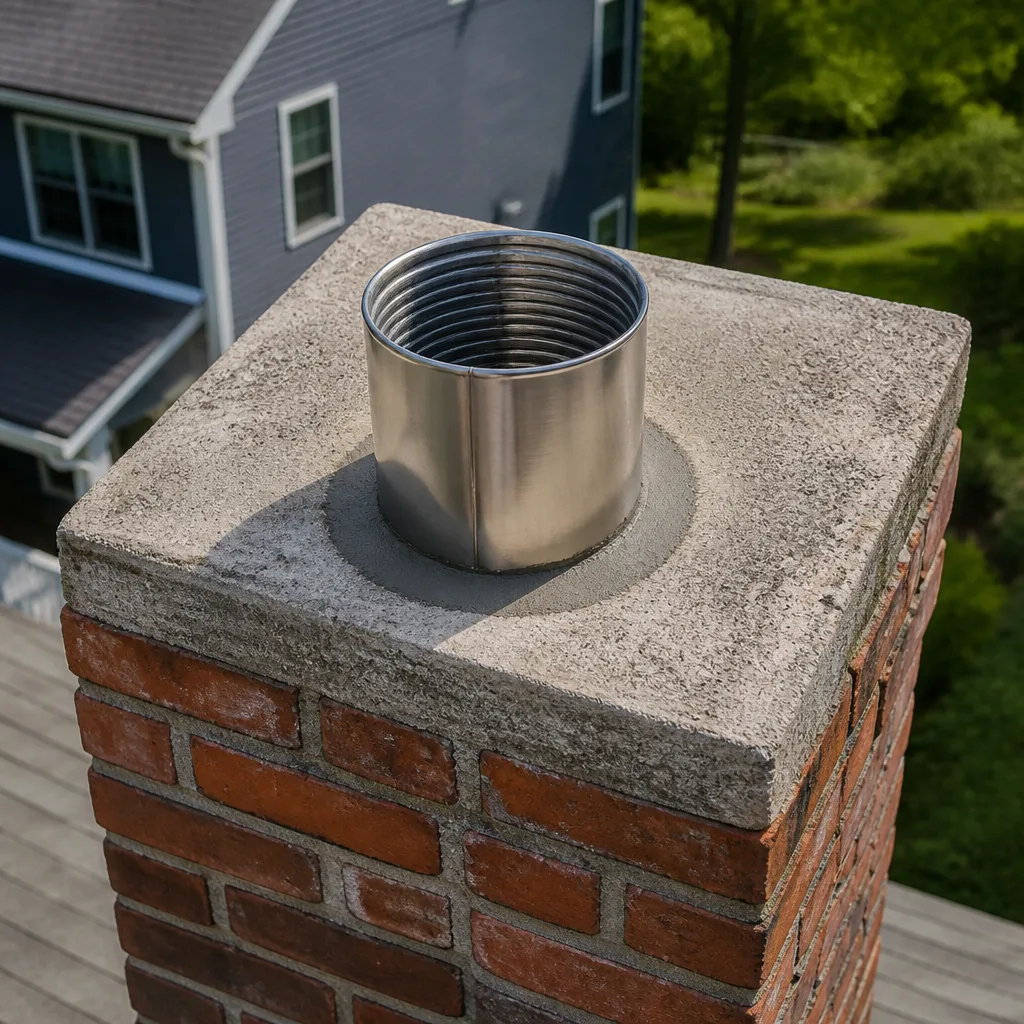 Flue relining
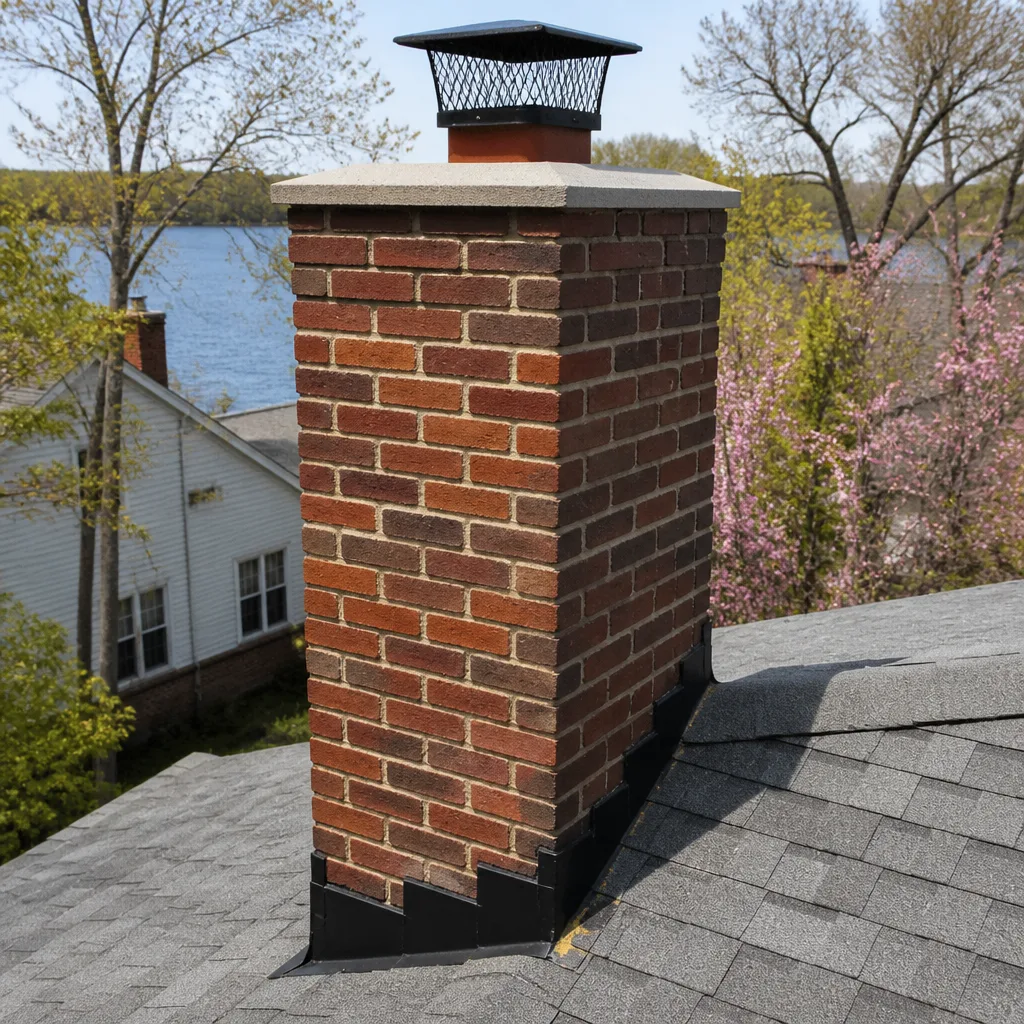 Masonry repair
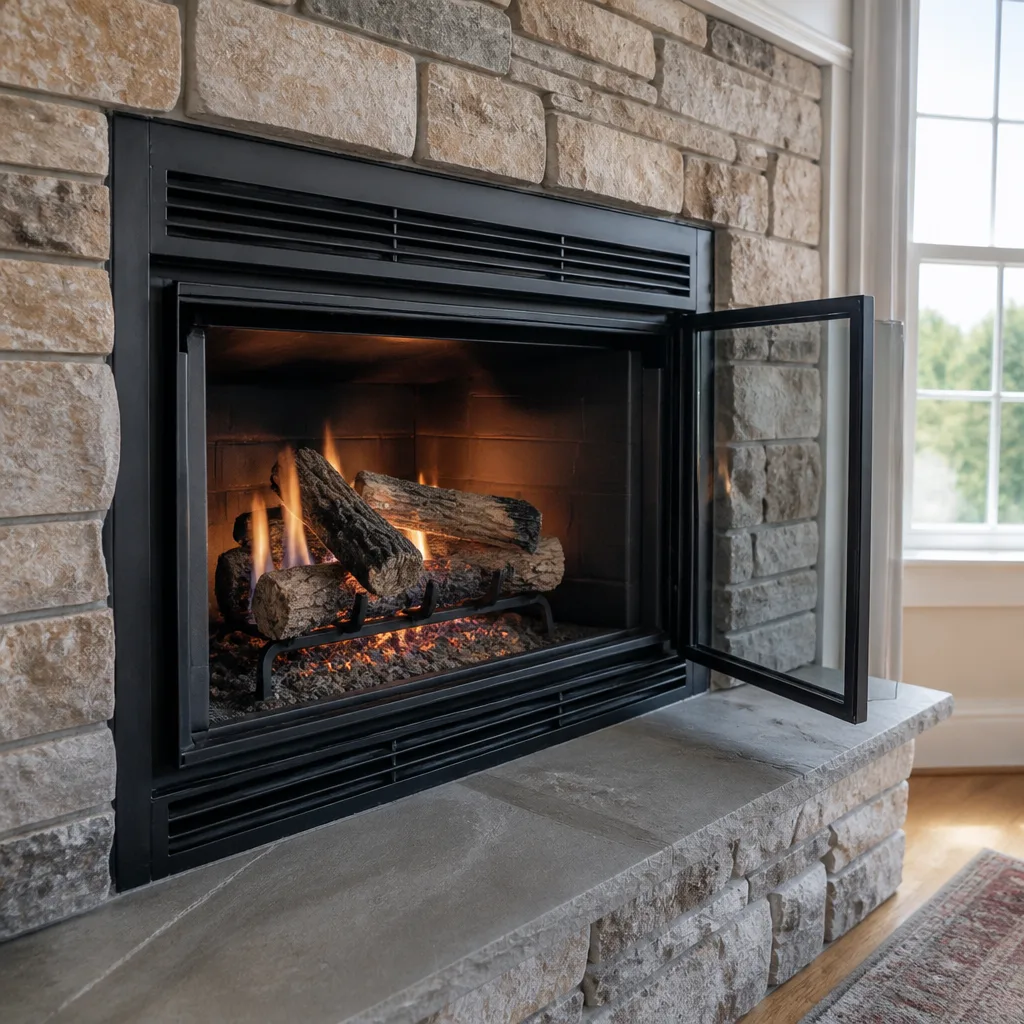 Gas fireplace service
Level 1 sweep and inspection to the NFPA 211 annual standard - flue, crown, cap, and flashing checked and photographed
Chimney sweep logs do not sweep chimneys. They loosen some creosote - which then falls where a brush and vacuum still have to collect it.
Choosing the Right Chimney Cleaning Brand: A Buyer’s Guide for Allen
Two chimney crowns can look identical the day they’re installed and perform nothing alike five years later. The difference usually comes down to one question nobody asks: what brand of material went on top? A crown sealed with a brush-on elastomeric coating and a crown patched with a bag of general-purpose concrete mix are not the same repair, even when the invoice looks similar. That gap matters more than the logo on the truck. In this guide we’ll walk through the material brands that actually hold up in a chimney system, how they map to specific jobs, how to ask a contractor what they’re using without getting a runaround, and where Allen’s humidity fits into the picture. It’s a buyer’s guide to materials, not marketing.
Quick Answer
The “brand” that matters in chimney cleaning is the professional-grade material brands the sweep uses for liners, crowns, caps, and sealants, not the franchise name out front. In Allen, a stainless steel liner and a rated crown coating will outlast cheaper alternatives by years, so the right question to ask isn’t “which company” but “which product line, and why that one for my flue?” A specialist answers that without hesitation; a generalist usually can’t.
Styles & brands we work with
- Sweep & inspection
- Caps & crowns
- Flue relining
- Masonry repair
- Gas fireplace service
Table of Contents
- Why Material Brands Matter More Than Company Names
- The Trade Brands You’ll Actually See on a Chimney
- How to Ask a Contractor What Brand They’re Using
- Contractor-Grade vs. Big-Box Chimney Products
- Cap Materials: Galvanized, Stainless, and Copper
- Does the Material Meet NFPA 211 for the Application?
- Why Allen’s Humidity Changes the Material Math
- Common Mistakes to Avoid
Why Material Brands Matter More Than Company Names
A chimney is a small system with a big job: move hot exhaust and creosote out of your house without letting water or heat into the structure. The failure points almost always sit in the materials, not the labor. A liner installed without the right alloy or thickness will pit and crack. A crown coated with a thin consumer-grade sealant will craze and let water in within a couple of seasons. A cap made from thinly coated galvanized steel will rust through along the seams before a heavier stainless version shows any wear.
That’s why we lead with products before we talk about anything else. When you’re choosing a chimney sweep in Allen, the useful question is not “how long have you been in business” but “what brand of liner, sealant, and cap do you spec, and why?” A specialist who works with trade-grade materials will have a specific answer, and it will sound less like sales and more like engineering.
Three things to keep in mind as you weigh options:
- Longevity lives in the product. A properly rated crown coating can hold up for roughly 20 years; a generic concrete mix in the same spot can start failing in about 5.
- The system fails at its weakest link. A great liner behind a bad cap still lets water into the flue. Material decisions need to be consistent from top to bottom.
- Brands are a shortcut to standards. Recognized trade brands don’t guarantee a good install, but they do narrow the field to products designed for chimney applications rather than general construction.
At Allen Chimney Cleaning, we work with professional-grade trade brands including DuraFlex, HeatShield, Gelco, Olympia Chimney, Famco, and Copperfield. We don’t name-drop those names to impress you. We mention them because each one covers a specific kind of job, and matching the right product to your flue is most of what determines how long the repair lasts.
The Trade Brands You’ll Actually See on a Chimney
Homeowners rarely hear these names until they need one. Here’s a quick plain-language map of what the recognized chimney trade brands are generally designed for, so you can follow along when a contractor names them. This is a category overview, not a promise that any one product fits your chimney; the flue assessment decides that.
- HeatShield – A ceramic-based resurfacing system used to restore deteriorated flue liners without a full reline. It’s a structural repair material, not a sealant, and it signals that the sweep can address cracking and spalling, not just soot.
- DuraFlex – A stainless steel flexible liner brand used for relining masonry chimneys and venting appliances. When a sweep specifies a DuraFlex liner, they’re usually telling you the original flue has failed and a new inner wall is going in.
- Gelco (often heard as “Gelcoat”) – Crown and masonry coating products designed for elastomeric, weatherproofing layers on top of the chimney. These are the products that replace the “cement patch” that lets water in within a few winters.
- Rutland – A brand commonly associated with chimney cleaning products, creosote treatments, and fire-side maintenance supplies used on the cleaning side of the work.
- Rockford Chimney – A chimney supply brand whose product line covers caps, dampers, and components commonly specified for top-of-flue work.
- Olympia Chimney, Famco, and Copperfield – Recognized supply brands for caps, dampers, and venting components used throughout the trade.
Not every project touches every brand. If a sweep names 3 or 4 of these in a coherent way, you’re talking to someone who buys from professional chimney supply channels. If the conversation is vague, or the only names you hear are general hardware store brands, that tells you something too.
How to Ask a Contractor What Brand They’re Using
You don’t need to know the trade to ask the right questions. Here’s a simple sequence that gets you a real answer without turning the visit into a negotiation. Ask it before the work, not after.
- “What brand of liner (or crown coating, or cap) are you planning to use, and why that one?” A specialist names the product and gives a reason tied to your flue. A vague answer like “a good quality one” or “we use whatever’s in stock” is a reason to pause.
- “Is that contractor-grade or consumer-grade?” Legitimate sweeps buy from chimney supply channels. They’ll recognize the distinction and answer without flinching.
- “Does this specific product meet the code for my application?” For a liner, that means a listed liner system; for a crown, a coating rated for exterior masonry; for a cap, one designed for chimney venting. A reliable contractor will tell you what the standard is and how the product meets it.
- “Can you show me the material spec sheet or packaging?” Trade brands ship with documentation. That’s not a strange request; it’s what separates a serious contractor from a slap-dash one.
- “If you’re not sure the flue needs a repair, what would make you say so?” This is the honesty check. An inspection-first specialist will tell you when work can safely wait. A contractor who upsells every visit won’t have a good answer.
In our experience, a specialist answers these without hesitation because they’ve been through the products enough to know them. A homeowner with those five questions is not a difficult customer; they’re a customer worth doing good work for.
Contractor-Grade vs. Big-Box Chimney Products
You can buy a chimney cap at a hardware store on a Saturday. You can also buy a crown patch mix and a can of “chimney sealant” there. None of that means the product is designed for the job your chimney is actually doing. The gap between contractor-grade and consumer-grade chimney materials is not just price; it’s chemistry, coating thickness, and the testing behind the product.
What tends to be different about professional supply products:
- Formulation. Trade-grade crown coatings and sealants are engineered to flex with masonry, resist UV, and hold up to the wetting and drying that every chimney exterior sees. Consumer equivalents are often simpler products repackaged for general use.
- Application spec. Professional products come with detailed surface prep, cure time, and temperature instructions. When those are followed, the material performs as designed. When a generic product is used on a chimney without a spec, the outcome is a coin flip.
- Traceability. Professional brands document the batch and standard the product meets. That matters for NFPA 211 compliance, which we’ll get into below.
- Lifespan expectations. A rated crown coating is expected to hold for roughly two decades; a generic concrete mix used in the same place tends to start failing in five or so. Same appearance, radically different durability.
This is the core reason we’re not a generalist: our chimney repair work uses trade brands because the repair has to last through humid summers and wet winters, not until the next inspection cycle.
Cap Materials: Galvanized, Stainless, and Copper
The cap is the cheapest component on a chimney and one of the most consequential. It’s the roof over your flue. If it fails, water gets into the chimney chase, rusts out the damper, and starts the long slow path toward structural damage. Material choice here is a direct durability decision.
- Galvanized steel – The most budget-friendly cap material. It resists rust for a while, then starts breaking down at weld seams and edges. In a humid climate, that timeline gets shorter. It’s a serviceable short-term choice, not a long-term investment.
- Stainless steel – The minimum worthwhile investment for Allen. Stainless resists the humid-air corrosion that eats galvanized caps, and it’s the material that professional supply brands like Olympia Chimney and Copperfield build most of their caps from. If you’re replacing a cap and want it to stay out of your life, stainless is where the sensible line sits.
- Copper – The long-game material. Copper develops a patina over time, is extremely corrosion-resistant, and looks distinctive on the roofline. Higher upfront cost, and worth it if you’re planning to stay in the house long enough to care about a 30-plus-year cap.
One more consideration: the cap must match the appliance. A cap for a wood-burning flue is a different specification than one for a gas appliance vent. When we look at a cap replacement in Allen, we check the appliance type, the flue diameter, and the surround material before recommending a product, because a poorly matched cap can cause draft problems that no amount of sweeping will solve.
Does the Material Meet NFPA 211 for the Application?
NFPA 211 is the standard that governs chimneys, fireplaces, vents, and solid fuel-burning appliances in the US. You don’t need to memorize it, but you do need to know it exists and that a good contractor can tell you how their material choices align with it. The core point: not every chimney product is rated for every chimney application, and using the wrong one is a code problem even if it doesn’t fail immediately.
Three areas where this comes up most often:
- Liner materials. A reline must use a liner system listed for the appliance it’s venting. That listing is what a DuraFlex liner system gives you; a generic flexible duct promised as a “liner” does not.
- Crown sealants and coatings. Exterior masonry products must be rated for use on chimney crowns, which see hotter and wetter conditions than a typical wall. A coating not designed for that application is a gap in compliance.
- Flashing products. The metal and sealant that waterproof the chimney-to-roof junction must be appropriate for the material and pitch. Roofing caulk on a chimney flashing is a common shortcut; it doesn’t meet the intent of the standard for the same reason tape doesn’t replace a proper flashing repair.
In practice, “does it meet NFPA 211” is a fair question to ask on any quote, and a professional-grade brand usually has the documentation to back the answer. It’s also why we work with trade supply brands rather than picking up whatever’s on the shelf at a big-box store, and it’s how our chimney sweep visits stay honest: we recommend repair materials that meet the standard for the specific application, not a one-size product.
Why Allen’s Humidity Changes the Material Math
North Texas summers are humid, and the swing between wet and dry seasons puts every exterior chimney material through real work. That pattern does two things to the material decision. First, it makes crowns and caps the first line of defense against water intrusion, because the exterior is wetter and hotter than a homeowner might think. Second, it punishes cheap coatings and galvanized caps faster than a drier climate would.
What we look at in Allen on every assessment:
- Crown condition. Cracks, spalling, and exposed aggregate are the early signs that the coating has failed. A rated elastomeric crown coating costs more than a concrete patch, but it retains its flex across the seasonal wet-dry rhythm instead of cracking, and that’s why we spec HeatShield or an equivalent trade-grade product rather than a generic mix.
- Cap material. Galvanized caps in Allen’s humidity rust at the seams a lot sooner than homeowners expect. We lean stainless as the default for the same modest cost, and copper when a neighbor is investing in a long-term roof system.
- Masonry and flashing. Water that gets behind the flashing during a wet spring has to go somewhere, and it usually finds the damper or the firebox. Gelco and comparable trade-grade masonry coatings are how we slow that path.
- Creosote behavior. Humidity doesn’t create creosote, but it does affect how a wood-burning flue dries between burns, and that’s part of why annual evaluation matters more than a fixed schedule would suggest. If you’ve noticed a smell or smoke rollback, that’s a sign the flue wants attention.
In our experience, Allen homeowners who ask about material brands usually end up paying for a better product up front and then forgetting about the chimney for years. That’s the whole point of getting material decisions right.
Common Mistakes to Avoid
- Asking only about company names, not materials. The company logo tells you very little about what’s actually going into your flue. Ask for the product brand, the spec, and why that one. It’s a two-minute conversation that changes the lifespan of the repair.
- Accepting a “concrete patch” on the crown. A general construction mix applied to a chimney crown doesn’t flex with the masonry. In Allen’s humidity it cracks, water gets in, and you’re back to a repair within a few years. A rated elastomeric coating is the trade-standard fix.
- Choosing a galvanized cap to save a little up front. The upfront savings on a galvanized cap disappear when you replace it earlier than a stainless or copper version would have needed. Stainless is the practical minimum for humid North Texas.
- Letting a generalist do the liner work. Liner installation is a code-regulated application. If your contractor takes the job to a sub, you lose the inspection-first judgment that should be driving the material choice in the first place.
- Skipping the inspection to save the visit. The value of an inspection isn’t the camera; it’s the honest answer about whether your flue needs a liner, a resurface, or nothing at all. An Allen Chimney Cleaning visit includes that assessment, and it’s the whole reason the material recommendations can be trusted.
- Buying the materials yourself from a hardware store. Consumer-grade chimney products are not designed for the application, even when they’re sold next to products that are. Trust the supply channel that professional brands come from.
- Ignoring a smell or smoke rollback. These are early signals the draft is off, and the material cause is usually a failed cap, a cracked crown, or a flue restriction. Waiting lets a small material fix become a structural repair.
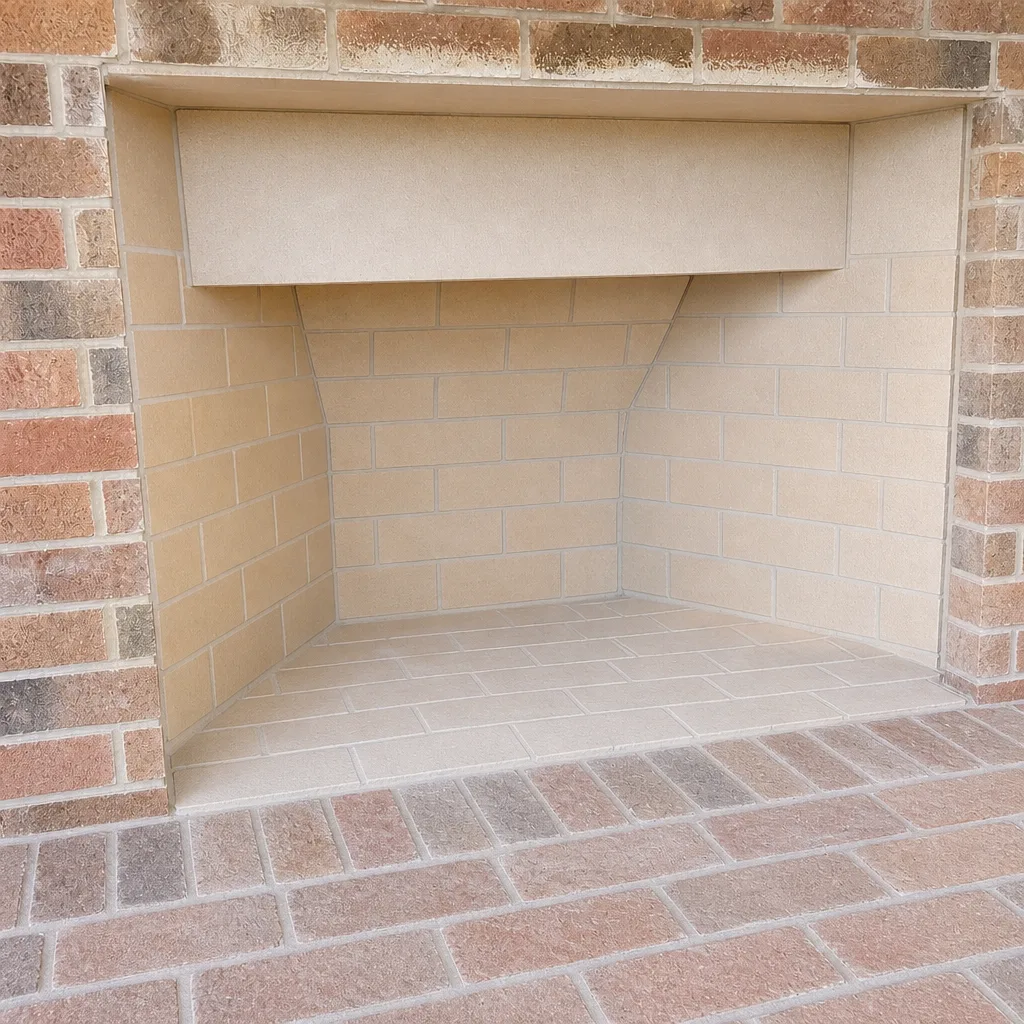
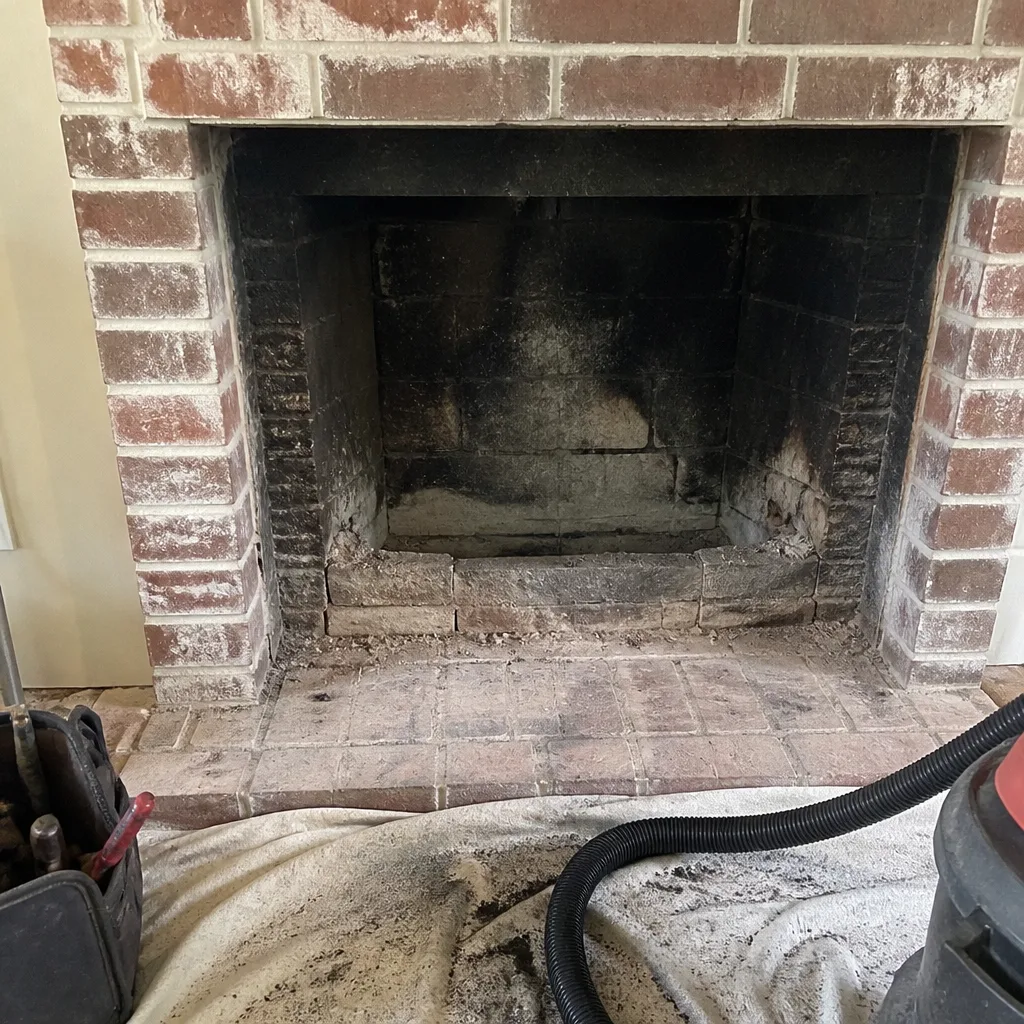
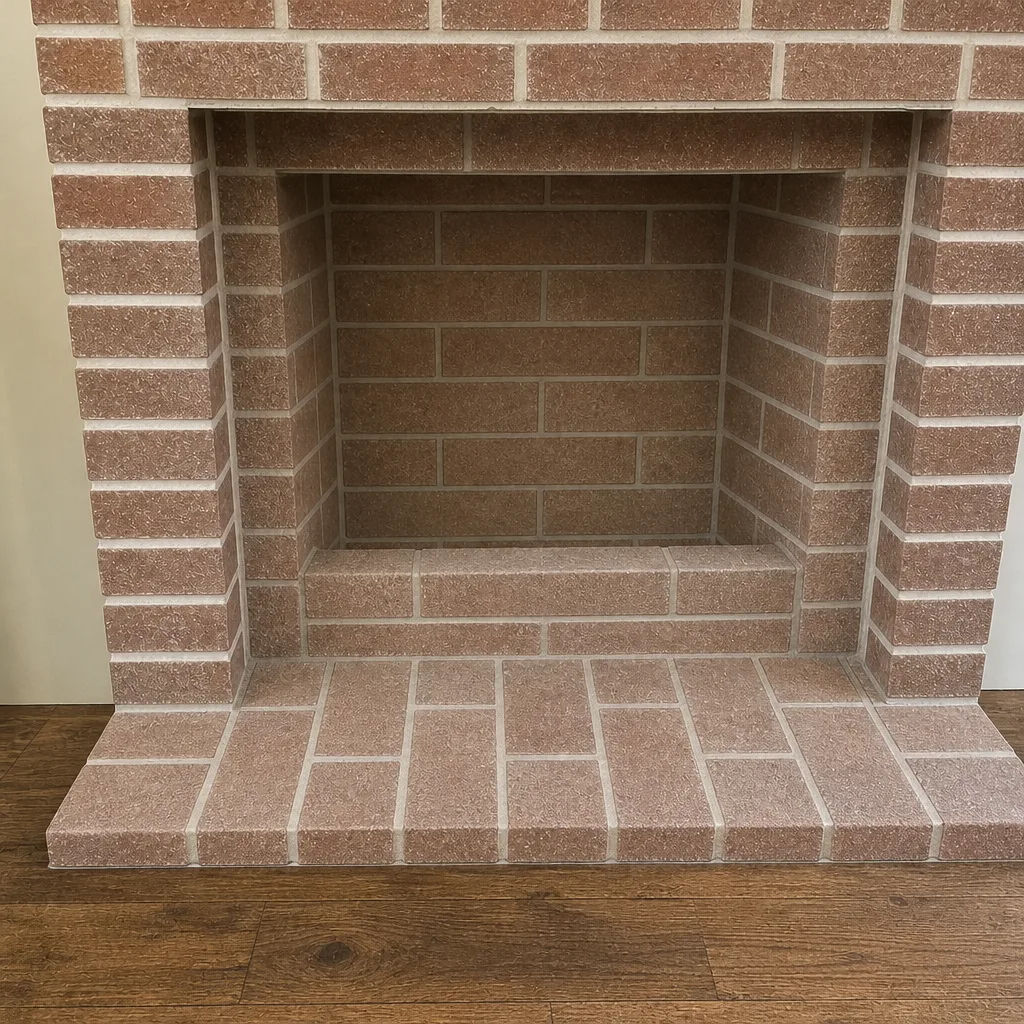
See the difference
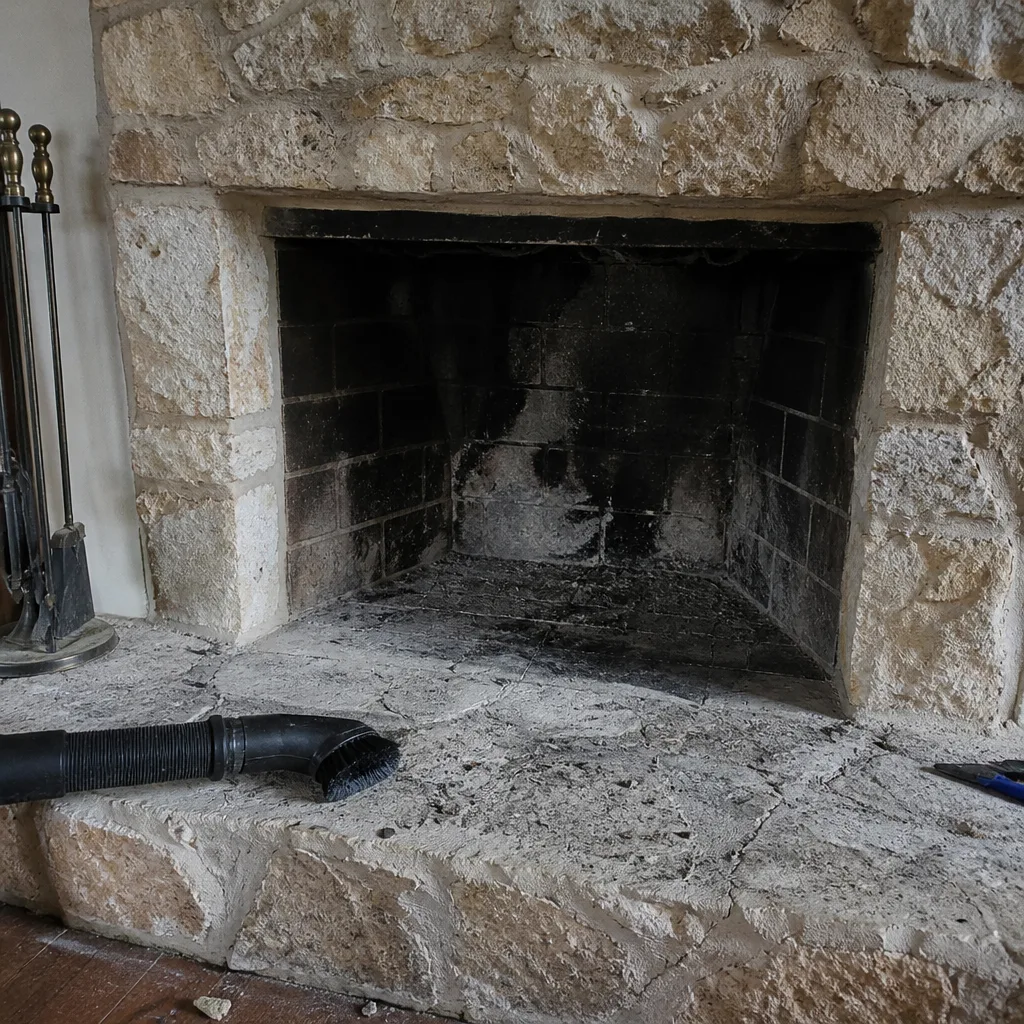 Before
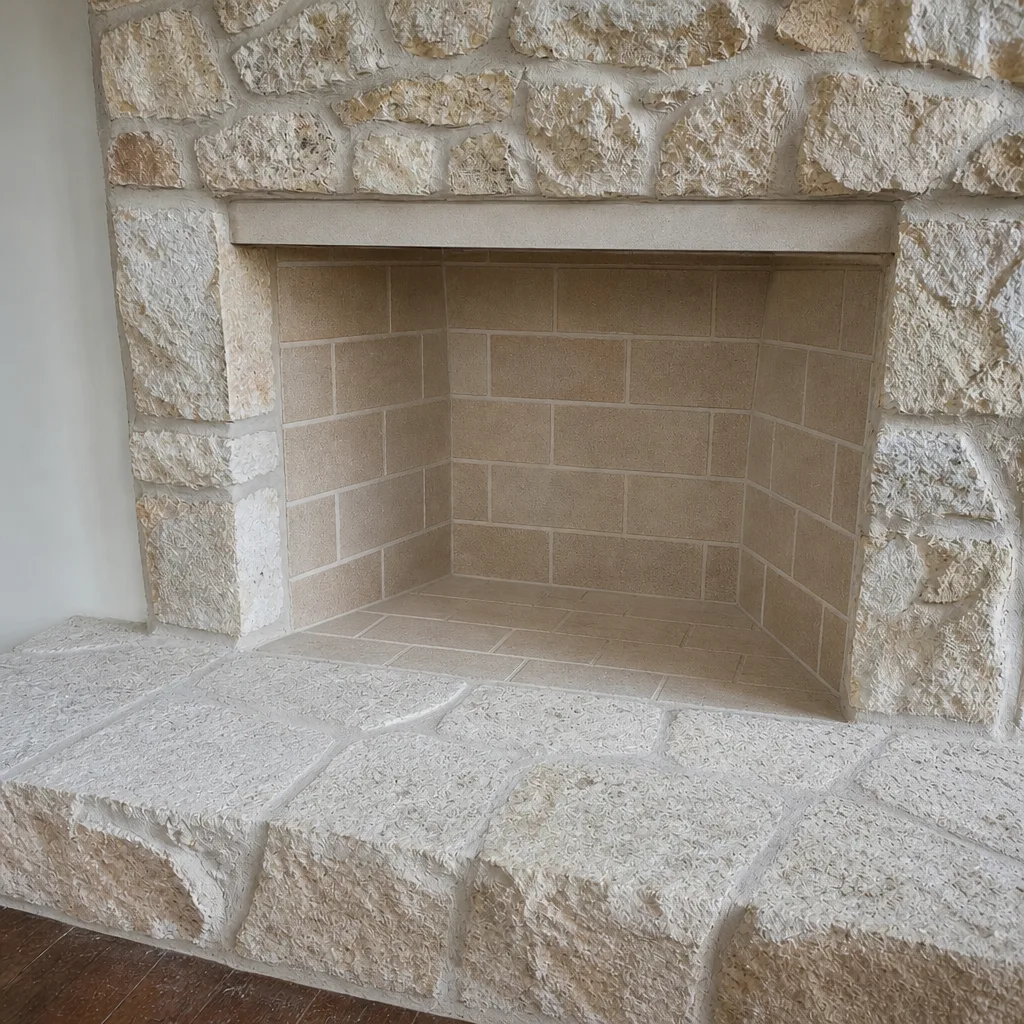 After
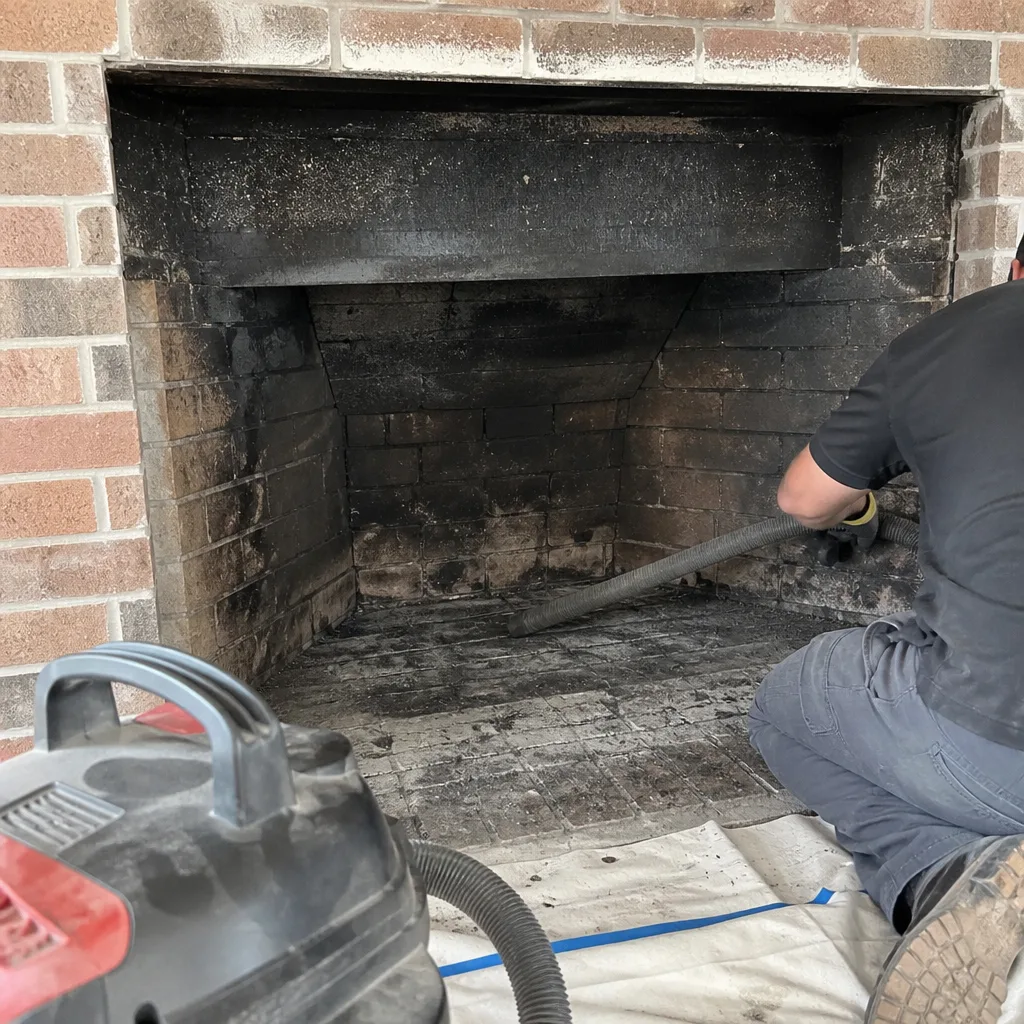 Before
 After
 Before
 After
When to Call a Professional
Some chimney issues are cosmetic. Others are the kind you don’t want to find out about the hard way. Call a specialist when you notice any of the following: a persistent smoky smell in the room even when the fireplace is off; smoke rolling into the room when you light a fire; water staining on the damper, firebox, or ceiling near the chimney; visible cracks or spalling on the crown; a cap that’s rusted, loose, or missing; or a liner you’ve been told is damaged but never had inspected with a camera. Any of those is a reason to get an honest assessment from a specialist, especially because the remedy on the material side is often simpler than homeowners fear. High-tension chimney work and any repair that touches the liner are jobs for a trained professional, not a weekend project.
Allen Chimney Cleaning offers free estimates in Allen for chimney sweeping, inspection, and repair. If you’ve been putting off the annual visit, call (855) 965-4730 to get on the schedule and find out what your flue actually needs.
Frequently Asked Questions
It usually refers to the professional-grade material brands a sweep uses for liners, crowns, caps, and sealants, not the company name on the invoice. The brand on the material determines how long the repair lasts, while the company name tells you very little about that. When you interview a chimney contractor, ask which trade brands they work with and why for your specific flue.
Because a chimney system fails at its material joints, not its contractor of record. A properly rated crown coating can hold up around twice as long as a generic concrete patch, and a stainless liner will outlast a low-grade substitute by years. The company does the installation, but the material is what keeps water out and draft moving for the next decade or more.
Yes, and a legitimate specialist will answer without hesitation. Ask for the specific product line, whether it’s contractor-grade or consumer-grade, and how it meets the standard for your application. If the answer is vague or the contractor gets defensive, that’s your signal to get a second estimate from a specialist.
Galvanized is a short-term option; stainless is the minimum worth investing in for Allen’s humid climate. Galvanized caps rust at the seams sooner than homeowners expect, while stainless resists that humidity-driven corrosion and typically lasts much longer. Copper is the long-game material if you’re planning to stay in the house.
Professional supply brands are formulated, tested, and documented for chimney applications specifically, while consumer products are repackaged for general use. The gap shows up in coating thickness, surface prep instructions, documented standard compliance, and expected lifespan. It’s the same reason a doctor doesn’t use a hardware-store kit for a clinical procedure.
Yes. We work with professional-grade trade brands including DuraFlex, HeatShield, Gelco, Olympia Chimney, Famco, and Copperfield, and we match the product to the flue based on an inspection-first assessment rather than a standard upsell. If you want a sweep, inspection, and repair handled by one company using trade-grade materials, that’s what you’ll get when you call (855) 965-4730.
The Bottom Line
The brand question in chimney cleaning isn’t about the franchise name; it’s about the material brands behind the work. A rated crown coating, a listed stainless liner, and a stainless or copper cap will outlast their budget counterparts by a wide margin, and the difference is the brand specification, not the contractor’s marketing. In Allen, where humidity adds stress to every exterior chimney surface, that choice matters more than anywhere else. Our technicians have up to 12 years of experience working with trade brands like DuraFlex, HeatShield, and Olympia Chimney, and we put the assessment first so you know what your flue actually needs. When you’re ready, call us and we’ll walk through the material choice with you.
If you’re ready to schedule your chimney sweep, inspection, or repair in Allen, call (855) 965-4730 for a free estimate. We’ll give you an honest assessment of the flue, the right material for the job, and a flat price agreed before we book.
Written by the team at Allen Chimney Cleaning.