
Last updated November 16, 2026
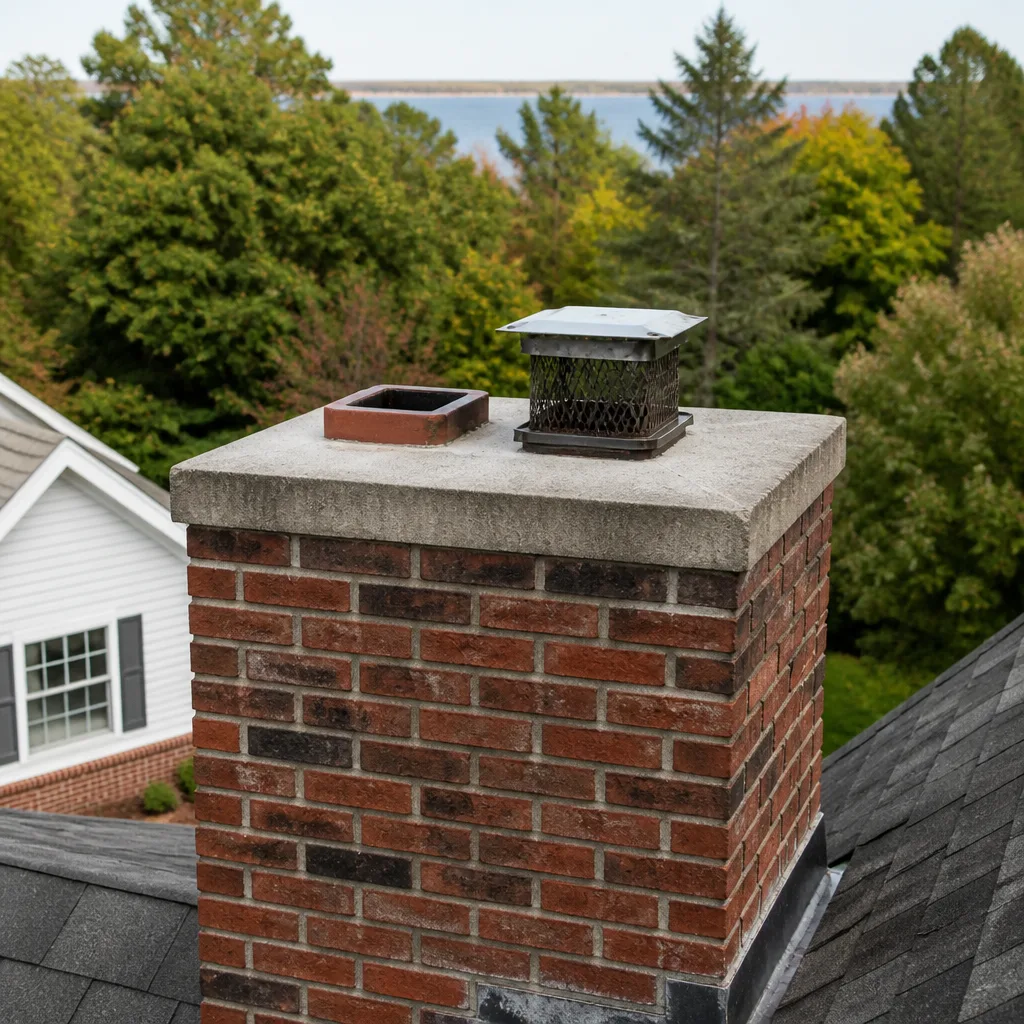 Sweep & inspection
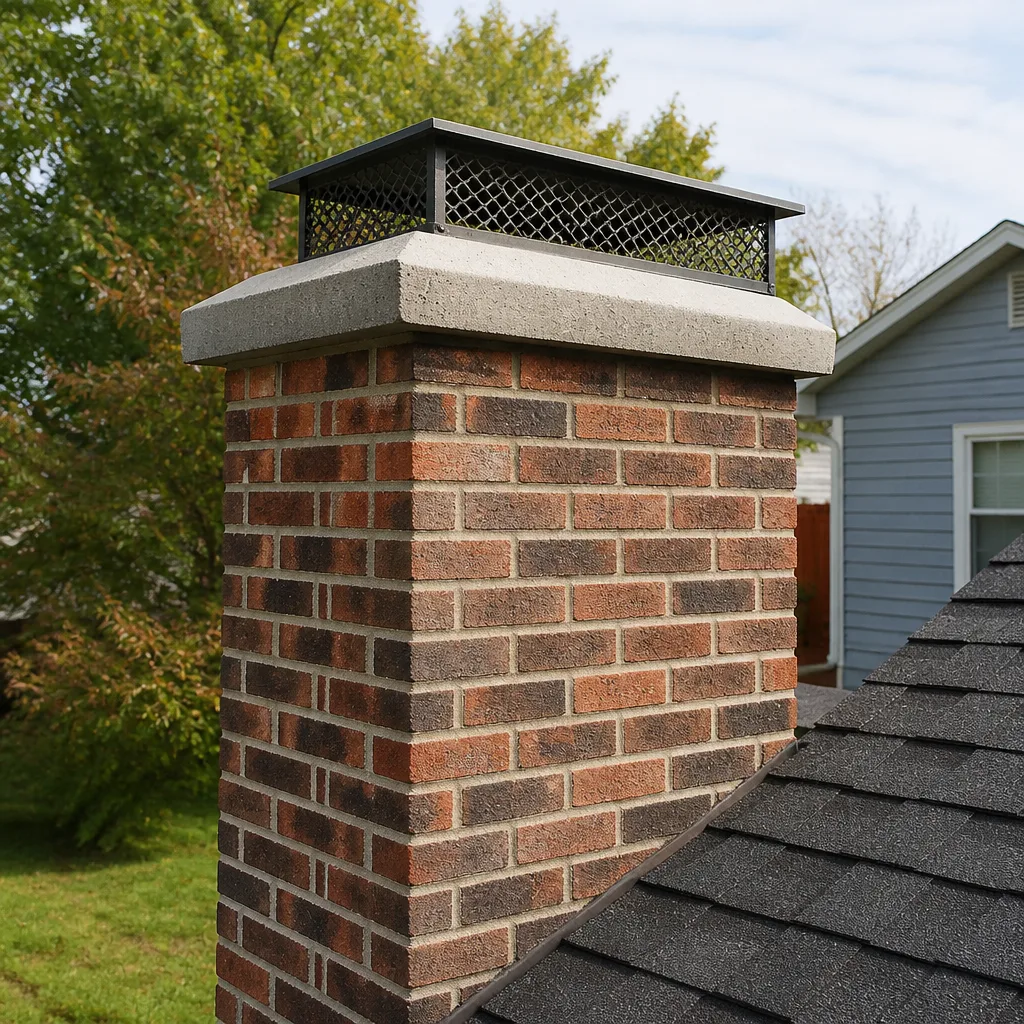 Caps & crowns
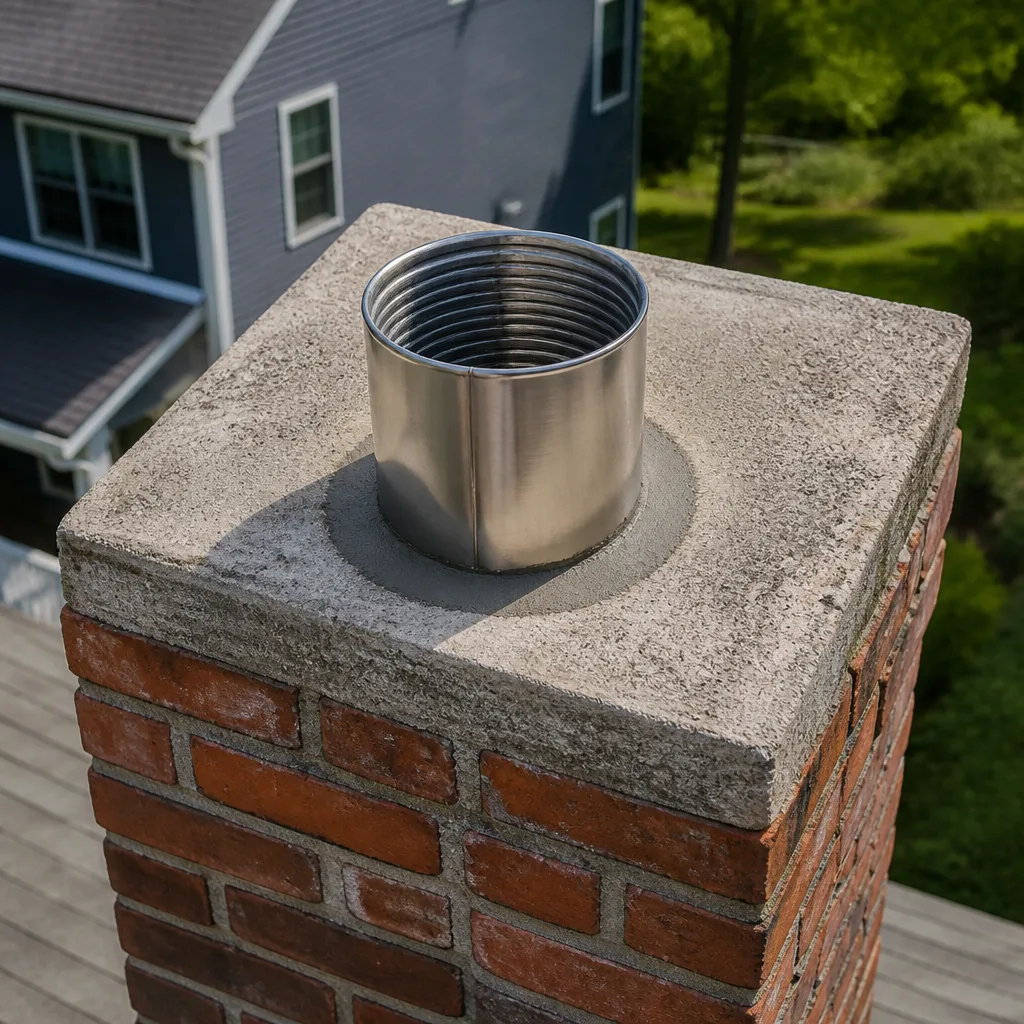 Flue relining
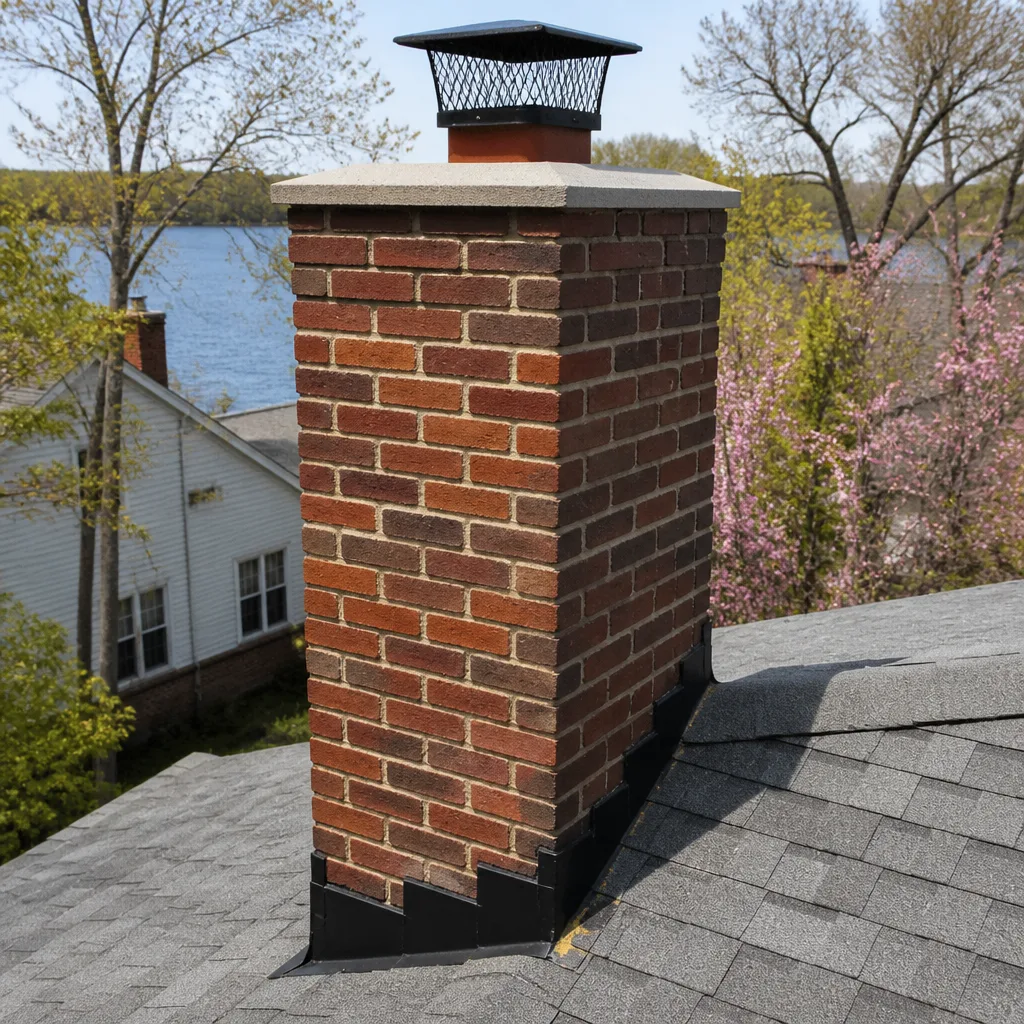 Masonry repair
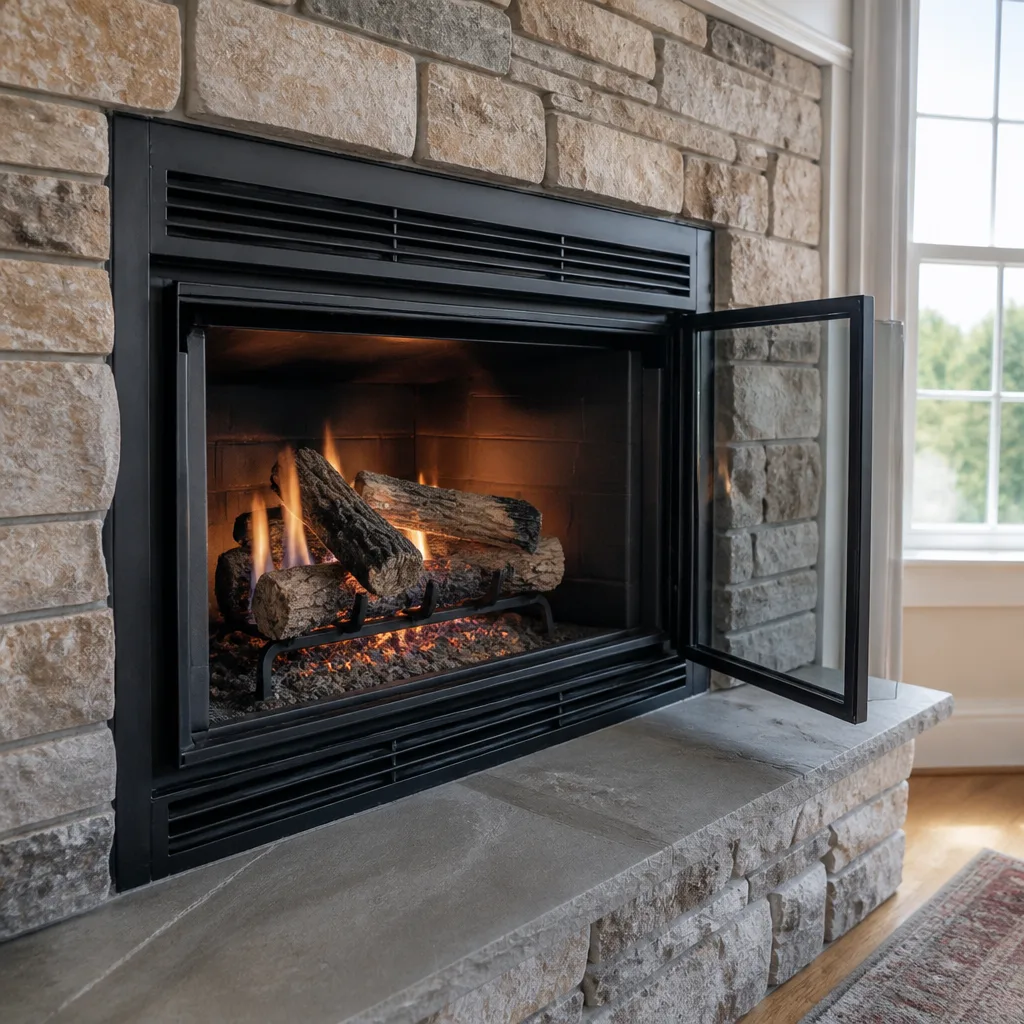 Gas fireplace service
Level 1 sweep and inspection to the NFPA 211 annual standard - flue, crown, cap, and flashing checked and photographed
Chimney sweep logs do not sweep chimneys. They loosen some creosote - which then falls where a brush and vacuum still have to collect it.
DIY vs Professional Chimney Cleaning: The Allen Homeowner’s Decision Guide
You can buy a brush kit online for the price of a decent dinner out, run it up your flue, and call it done. Plenty of Allen homeowners do exactly that. The problem isn’t the brushing. It’s the reading. A brush removes soot; it doesn’t tell you whether the glaze you just scraped past was Stage 2 creosote, whether a liner tile cracked two seasons ago, or whether the smoke chamber behind your damper has been quietly deteriorating. Those three conditions don’t announce themselves. Your fireplace keeps working right up until it doesn’t.
This guide is about the gap. We’ll cover what’s genuinely safe to handle yourself, what isn’t, what your insurance actually cares about, and how to make a clear decision for your specific chimney in Allen.
Styles & brands we work with
- Sweep & inspection
- Caps & crowns
- Flue relining
- Masonry repair
- Gas fireplace service
Quick Answer
Light routine upkeep like ash removal, damper checks, and clearing visible debris from the cap is reasonable DIY territory. Actual cleaning and inspection of the flue is not, because the risk isn’t in the brushing – it’s in missing glazed creosote, cracked tiles, or a damaged smoke chamber that only a camera and trained eye will catch. For most Allen homes burning wood regularly, an annual professional sweep and inspection is the safer and, over time, cheaper choice.
Table of Contents
- What You Can Safely Do Yourself
- Why Flue Inspection Isn’t DIY-Safe
- The Insurance and Liability Reality
- Honest Cost Comparison: DIY vs Professional
- The Decision Matrix: Should You DIY or Hire?
- What a Professional Sweep Actually Involves
- Glazed Creosote: The Condition DIY Misses Most
- Common Mistakes to Avoid
- When to Call a Professional
- Frequently Asked Questions
- The Bottom Line
What You Can Safely Do Yourself
Let’s draw the line honestly. There’s a real set of chimney tasks that don’t require a specialist, and doing them yourself won’t put anyone at risk. The line is simple: if the task puts your hands or eyes inside the flue or above the roofline, it’s professional work. If it doesn’t, you’re fine.
These are the tasks we’d genuinely recommend Allen homeowners handle on their own:
- Emptying the firebox of ash. A metal scoop and bucket, once the ash is fully cold, takes minutes.
- Visual firebox checks. Look for loose bricks, crumbling mortar joints, or gaps where the firebrick meets the lintel. Note anything that looks different from last season.
- Testing the damper. Open and close it, feel for smooth travel, and confirm it seats fully. A damper that sticks or won’t close flush is worth flagging.
- Clearing visible debris from the cap. From the ground with binoculars, or at ground level if your cap is reachable without a ladder. A bird nest or twig bundle blocking the screen is obvious and easy to remove.
- Confirming you have a cap at all. An uncapped flue is open to rain, birds, and debris. If yours is missing, that’s a call to make.
What none of these tasks do is tell you what’s happening inside the flue. They’re the equivalent of checking your car’s tires and wipers – useful, but not an engine diagnostic. When Allen homeowners ask us what they can do between professional visits, this list is what we give them. It keeps the firebox clean, helps you spot change early, and doesn’t create false confidence about what’s going on above the damper.
Why Flue Inspection Isn’t DIY-Safe
A camera is not an inspection. This is the single most common point of confusion we run into. You can buy a scope for under $200 and see the inside of your flue, and it will feel like you’ve done the job. But knowing what you’re looking at requires a trained eye and the right reference points, and even a decent camera misses things unless it’s used correctly.
Here’s what a homeowner with a camera typically can’t interpret:
- Scope angle and depth. Creosote that looks like a light dusting on one side of a tile can be a thick glazed coating on the far side. The angle matters as much as the view.
- Tile integrity. A hairline crack in a clay liner tile isn’t always visible on a straight-pass camera run. It shows up when you probe the joint and watch how the tile moves.
- Smoke chamber condition. The chamber above the damper and below the flue is where a lot of damage hides. Most homeowner cameras never get that angle at all.
- Creosote stage. The difference between Stage 1, 2, and 3 creosote changes the entire repair plan. Stage 2 glaze doesn’t come off with a brush; it requires chemical treatment or a rotary method. Without knowing what stage you’re looking at, you can’t know what needs doing.
- Draft performance. A flue can look clean and still draft poorly because of a sizing or geometry issue. Draft is felt, not just seen.
Our technicians use a camera along with a probe, a mirror, and years of pattern recognition – up to 12 years of it on this team – to tell the difference between normal wear and an active problem. That’s the practical reason a real inspection is worth paying for. It’s not that we see things you can’t. It’s that we know what we’re seeing.
The Insurance and Liability Reality
Your homeowner’s policy won’t usually say “no inspection, no coverage” in so many words. What it typically does is scrutinize fires that originate in a chimney with no documented maintenance history. That’s the difference a professional sweep record makes if you ever need to file a claim.
Here’s how it tends to play out, without getting into policy language we can’t quote for you directly:
- Documented maintenance supports your claim. If you’ve had annual sweeps and a written inspection report, you have evidence the chimney was maintained in good faith.
- No maintenance history invites questions. If the insurer asks when the chimney was last serviced and you have no record, you’re in a harder position than you’d otherwise be.
- Negligence plays a role. If the fire is attributable to a known condition that was never addressed, coverage can be contested.
We’re not insurance adjusters and we don’t write policies. What we can tell you is that Allen homeowners who sweep annually and keep the inspection report get a straightforward conversation if anything happens. The report is the paper trail. Call (855) 965-4730 to book a sweep – estimates are free.
Honest Cost Comparison: DIY vs Professional
The DIY math looks great on paper: a brush kit, a shop vac, a ladder, and an afternoon. But that comparison misses the biggest line item, which is what happens if you miss something. Here’s the honest picture.
- DIY brush kit: $40 – $150 for a homeowner-grade kit that fits your flue size. Cheap rods break, and cheap brushes won’t handle glazed creosote.
- Respirator and drop cloths: $30 – $80. Soot is fine particulate, and you don’t want it in your living room.
- Your time: Two to four hours for a careful first attempt, plus cleanup. And you still haven’t inspected anything.
- Professional sweep: Usually a fixed-price quote set before booking. Camera inspection and photo report included with us.
- The hidden cost: A missed repair item. A liner that needed resurfacing two years ago and was never caught can escalate into a much larger project. That’s the number that stings, and it’s the one you never see on the DIY side of the comparison.
Add it up. For most Allen homeowners who actually burn wood, the professional sweep is competitive with DIY once you account for the equipment, time, and the risk you’re carrying. The math flips further when you factor in what a professional-grade chimney sweep catches that a homeowner misses. If you want an exact quote for your chimney, chimney sweep pricing is set per job by the written estimate – call us and we’ll walk you through it.
The Decision Matrix: Should You DIY or Hire?
There’s no single answer for every Allen home, so use the inputs below. If you hit two or more of the “hire” signals, book a sweep without overthinking it.
Signals to hire a professional:
- You burn wood regularly. Any household burning more than a cord a season should have an annual professional sweep.
- Your chimney is 14 years old or older. Clay tile liners don’t last forever. A liner past a decade deserves eyes on it every year.
- You haven’t had a professional inspection in the last 12 months. You don’t have current information, and that’s the whole point of the sweep.
- You run a wood insert or wood stove. Inserts and stoves concentrate heat and creosote differently from an open fireplace. They need a specialist who knows the appliance.
- You’ve noticed a smell, smoke rollback, or visible damage. Any of these is a diagnostic call, not a cleaning one.
- You bought the house recently and don’t know its service history. You inherit whatever the last owner left behind.
Signals you can handle it yourself this season:
- You have a gas appliance with no solid fuel, no visible soot, no smell, and a recent professional inspection on record.
- You’ve had a professional sweep in the last year and you’re just doing light ash and firebox upkeep.
- Your chimney is new construction and has been professionally inspected since install.
If you’re anywhere near the line, hire. The cost of an inspection is small next to the cost of what it might find.
What a Professional Sweep Actually Involves
Most homeowners have never seen a professional sweep done, so here’s the actual sequence. Ours typically runs about 60 – 90 minutes per flue, depending on access and condition.
- Walkthrough and setup. We lay drop cloths, seal the firebox opening, and set up the vacuum so soot stays contained.
- Brushing the flue. Correct-size brush and rods, worked from the firebox up through the damper and into the flue. The goal is complete removal of soot and creosote down to clean tile or liner surface.
- Camera inspection. A scope run through the flue with photos taken at every joint, any suspected crack, and the smoke chamber. You see the images; we explain what they show.
- Damper, smoke shelf, and smoke chamber check. These areas catch creosote and are where damage often starts.
- Cap and crown check. From ground level or the roof, depending on the chimney, we verify the cap is intact and the crown isn’t cracking.
- Written inspection report and photo record. You get the findings in writing. If nothing needs doing, we say so. If something needs repair, we tell you what, why, and whether it can safely wait.
That report is what makes the professional sweep different from a DIY brush. It’s not just the cleaning; it’s the documented assessment that tells you what condition your flue is actually in. If your inspection turns up repair needs, chimney repair is part of what we do, using professional-grade trade materials like HeatShield for resurfacing and DuraFlex for relining.
Glazed Creosote: The Condition DIY Misses Most
Glazed creosote is the reason a brush alone isn’t enough, and it’s the reason a homeowner’s DIY sweep silently fails in the most dangerous way. Stage 1 creosote is a light, dusty soot that brushes off easily. Stage 2 is the hard, shiny, tar-like glaze that bonds to the flue surface. Stage 3 is the puffy, concentrated deposit that’s the highest fire risk of the three.
A homeowner brushing the flue can knock off Stage 1 without any trouble. Stage 2 usually doesn’t come off with a brush at all – it needs chemical treatment or a rotary method to remove. And Stage 3 can’t be brushed clean; it needs professional attention and, in some cases, liner work.
The problem is that a chimney with Stage 2 or Stage 3 creosote still drafts fine. It still lights. It still looks normal from the firebox. That’s the trap. There’s no audible warning, no smell until it’s advanced, no obvious sign from the ground. The next indicator might be a chimney fire, and the one after that might be a house fire.
If your sweep turns up glazed creosote, the fix is within our scope – resurfacing with HeatShield or relining with DuraFlex, depending on what the inspection actually shows. We don’t recommend liner work unless the camera shows us why. Call (855) 965-4730 for a free estimate if you’ve ever had a brush pass over Stage 2 glaze and assumed it was clean.
Common Mistakes to Avoid
- Brushing a hot or recently used firebox. Let the chimney cool for at least 24 hours before any cleaning. Ash can hold heat for a day or more.
- Using a brush that’s the wrong size. An undersized brush misses creosote on the flue walls; an oversized one can crack clay tiles. Size it to the flue, not to the firebox opening.
- Not using drop cloths and a sealed firebox. Soot is fine enough to travel through the house on air currents and settle on every surface. Sealing the firebox opening before brushing keeps it out of your living room.
- Assuming the flue is clean because it drafts. Draft is not a cleaning indicator. A dirty flue can draft fine right up until a fire starts in it.
- Skipping the cap check. Birds, squirrels, and debris account for a lot of Allen chimney blockages. An intact cap is a small detail with an outsized effect.
- Ignoring a smell that goes away. A creosote smell that only shows up on humid Allen afternoons is still a signal. It’s worth an inspection, even if it goes away.
- Putting off the inspection after a DIY sweep. If you brushed the flue yourself, that’s the moment to have a professional verify what you didn’t see. Not because you did it wrong, but because you can’t check what you can’t see.
When to Call a Professional
Call us for a sweep or inspection if any of these apply. You burn wood in an open fireplace, insert, or stove more than a few times a season. You haven’t had a professional inspection in the last 12 months, or you don’t remember when the last one was. You’ve noticed a creosote smell during humid weather. You’ve seen smoke rolling back into the room instead of up the flue. You have visible damage to firebox bricks, mortar, or the cap. You’ve used the chimney for two or more seasons without a sweep. You bought the house recently and don’t know its service history. Or you’ve done a DIY sweep and want a professional to verify what you did and didn’t catch.
Allen Chimney Cleaning offers free estimates in Allen – call (855) 965-4730. We answer 24/7. Fast dispatch from 7am to 7pm, Sunday through Friday. We’re a chimney-only specialist, so every visit is a sweep-inspect-repair capability under one roof (metaphorically speaking – the work happens in your chimney, not ours).
Frequently Asked Questions
Once a year for any household that burns wood regularly, and once a year as a minimum even for light use. The annual sweep is the standard because a year is roughly how much creosote a typical Allen household can accumulate before the risk starts climbing. If you burn more than a cord a season, or you burn green or unseasoned wood, don’t skip or stretch the schedule. Call (855) 965-4730 to book a sweep – estimates are free.
You can remove light soot and ash safely, but a homeowner sweep can’t serve as an inspection and shouldn’t be treated as one. The tasks that are genuinely DIY-safe are ash removal, damper testing, visual firebox checks, and clearing visible debris from the cap. Cleaning the flue itself is technically possible with a brush kit, but it only addresses Stage 1 soot and leaves you without any knowledge of creosote stage, tile condition, or smoke chamber integrity. The inspection is the part that matters, and that’s not DIY territory.
It can, in a roundabout way. Insurance policies tend to scrutinize fires that originate in chimneys with no documented maintenance history. A professional sweep produces a written inspection report and photo record – your paper trail if you ever file a claim. A DIY sweep produces no documentation at all. If the insurer asks when the chimney was last serviced, you’re in a stronger position with a report than without one. Call (855) 965-4730 for a sweep with written documentation included.
A homeowner brush kit runs $40 – $150, plus a respirator and drop cloths at $30 – $80, plus two to four hours of your time. A professional sweep is a fixed price set per job by the written estimate, with camera inspection and photo report included. Once you factor in equipment, time, and the real risk of missing a repair item, the professional sweep is usually competitive – and it’s clearly the better value when you consider what the inspection catches. Call (855) 965-4730 for an exact quote.
Creosote builds up, and glazed creosote is a genuine fire risk. That’s the real answer, not a scare tactic. Stage 2 and Stage 3 creosote can ignite, and a chimney fire can extend into the house. Separately, an obstructed or damaged flue can push carbon monoxide back into living space. Allen homes with gas appliances need the flue checked, not just the firebox. The risk compounds with every skipped season. Call (855) 965-4730 to schedule a sweep and inspection – estimates are free.
No, and here’s why. A homeowner-grade camera gives you a view, but not an interpretation. It won’t reliably show a hairline crack in a clay tile, it can’t feel the joint under a probe, and it usually misses the smoke chamber angle entirely. What a trained sweep brings is pattern recognition – up to 12 years of experience on our team, telling the difference between normal wear and an active problem, and knowing what stage of creosote you’re actually looking at. The camera is one tool. The judgment is the deliverable. Call (855) 965-4730 for a professional inspection in Allen – estimates are free.
The Bottom Line
DIY chimney cleaning works fine for the tasks that don’t require you to interpret the inside of your flue. Ash removal, damper testing, firebox checks, and cap debris are all yours to handle, and handling them keeps your chimney in better shape between professional visits. But a DIY brush pass is not an inspection, and the conditions it misses – Stage 2 and 3 glazed creosote, cracked liner tiles, smoke chamber deterioration – are the ones that cause fires. If you burn wood and you haven’t had a professional inspection in the last 12 months, book a sweep. The report is what you’re actually paying for, and the cost of missing something is a lot higher than the cost of catching it early.
Allen Chimney Cleaning is a dedicated chimney specialist – sweep, inspection, and repair under one name, working with professional-grade trade brands like DuraFlex, HeatShield, Gelco, Olympia Chimney, Famco, and Copperfield. If you’re ready to book, call (855) 965-4730 for a free estimate. We answer 24/7, and fast dispatch runs 7am to 7pm, Sunday through Friday. For more on what we do across Allen, or to start at the Allen Chimney Cleaning homepage, we’re easy to find.
Written by the team at Allen Chimney Cleaning.
See the difference
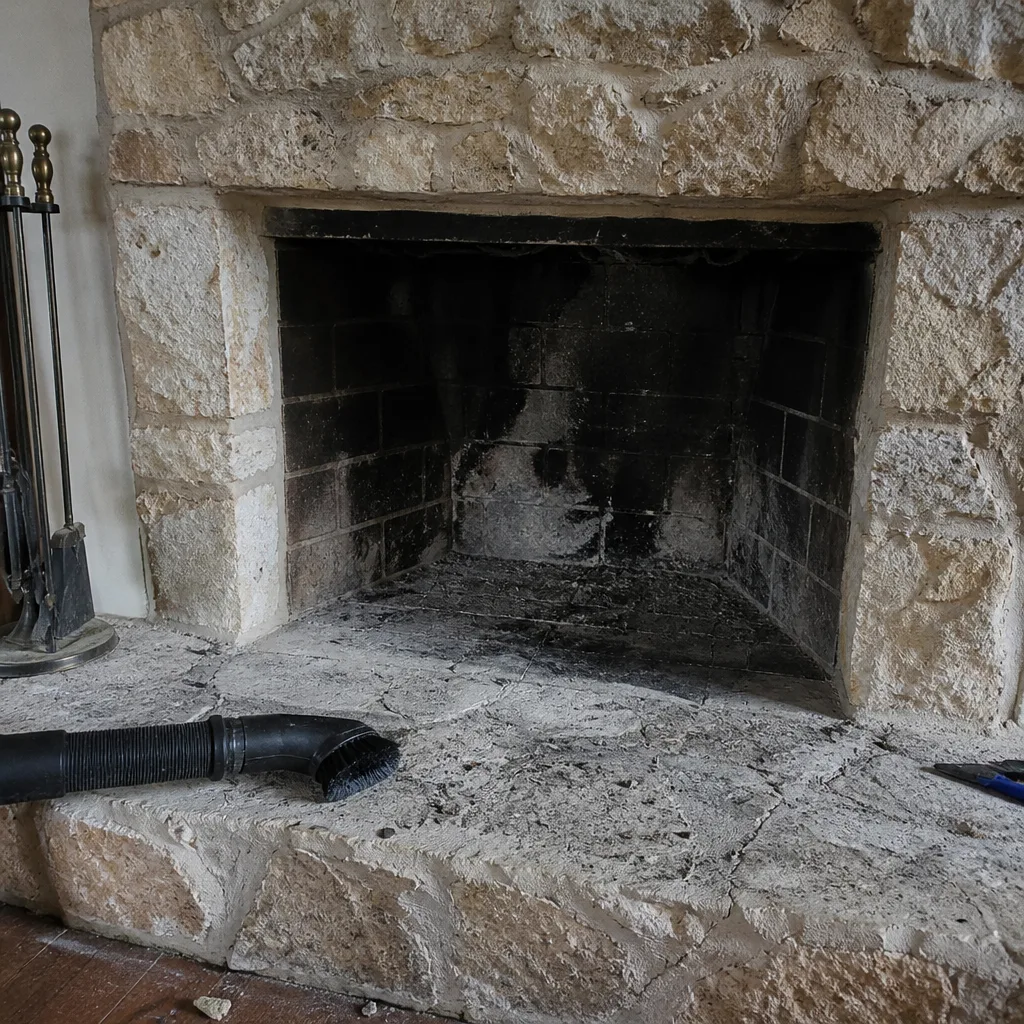 Before
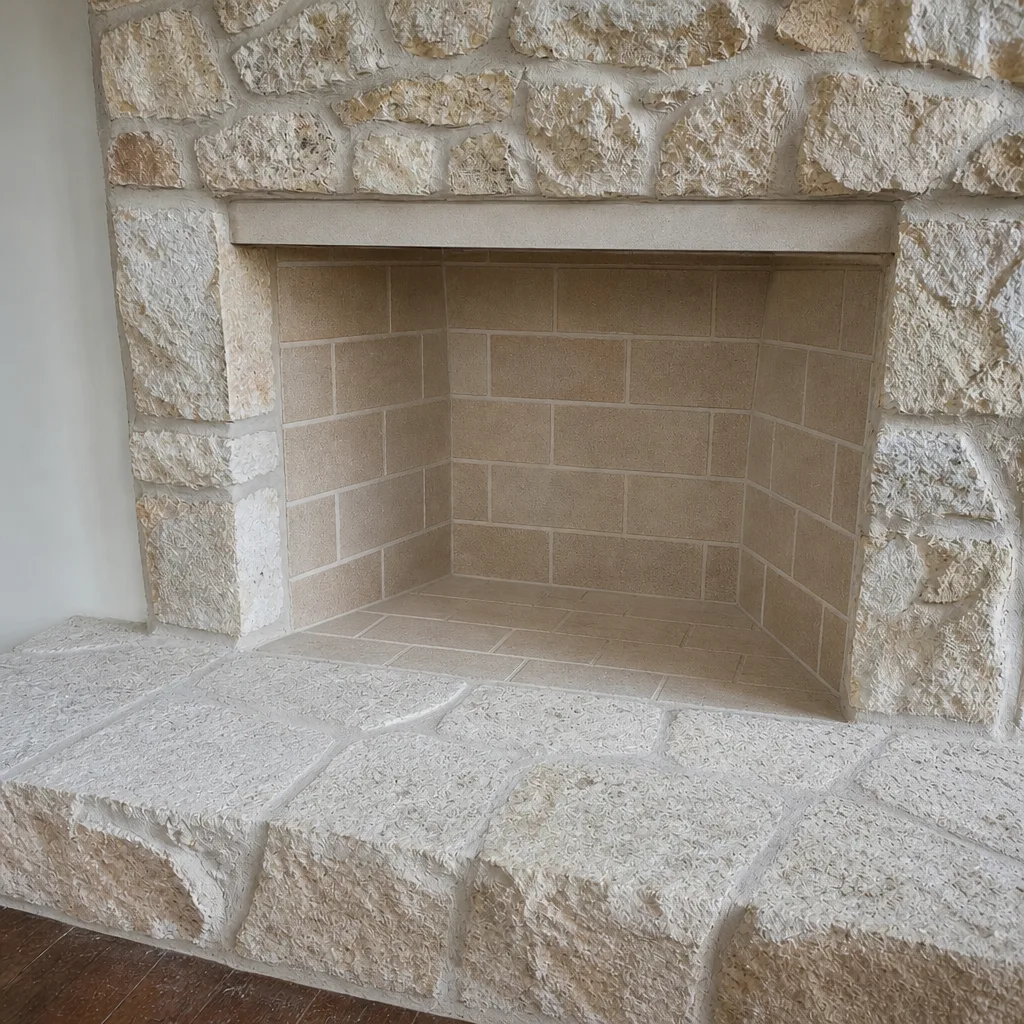 After
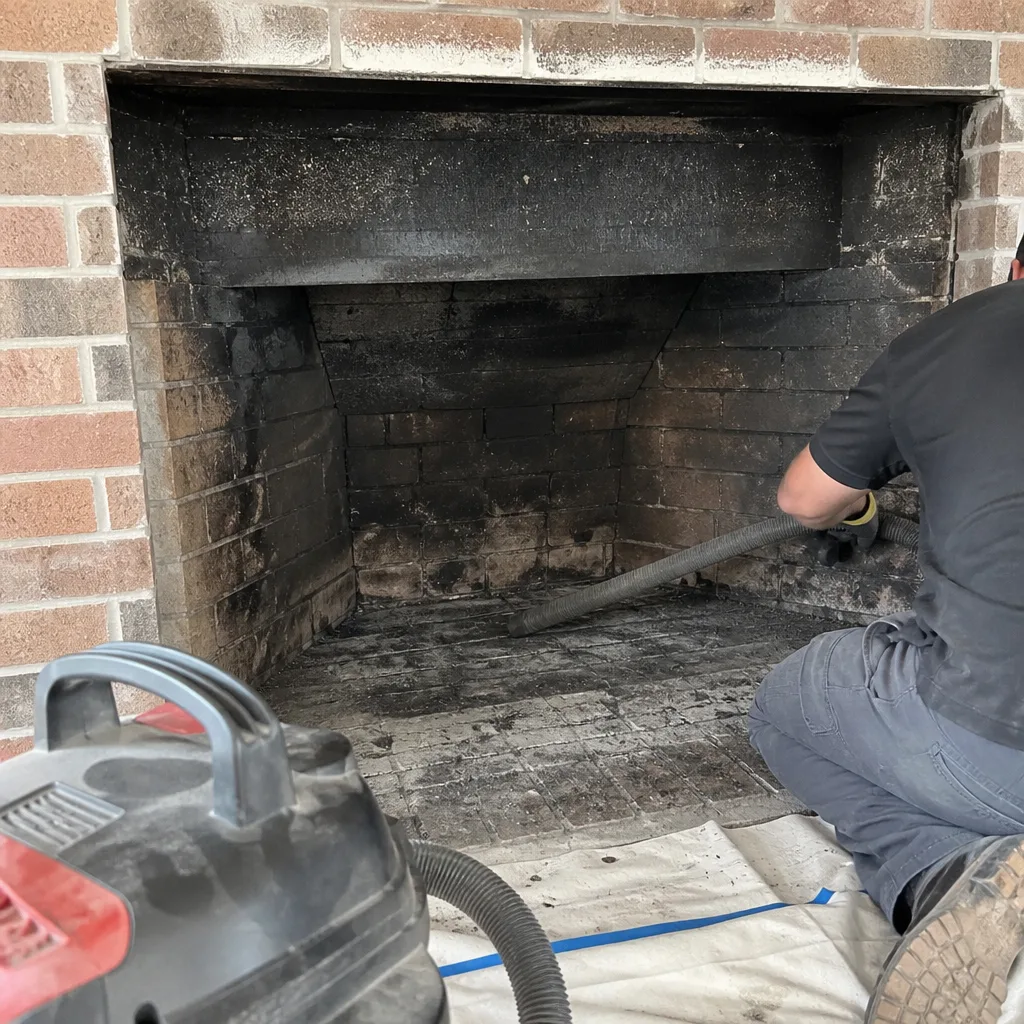 Before
 After
 Before
 After