
Last updated November 16, 2026
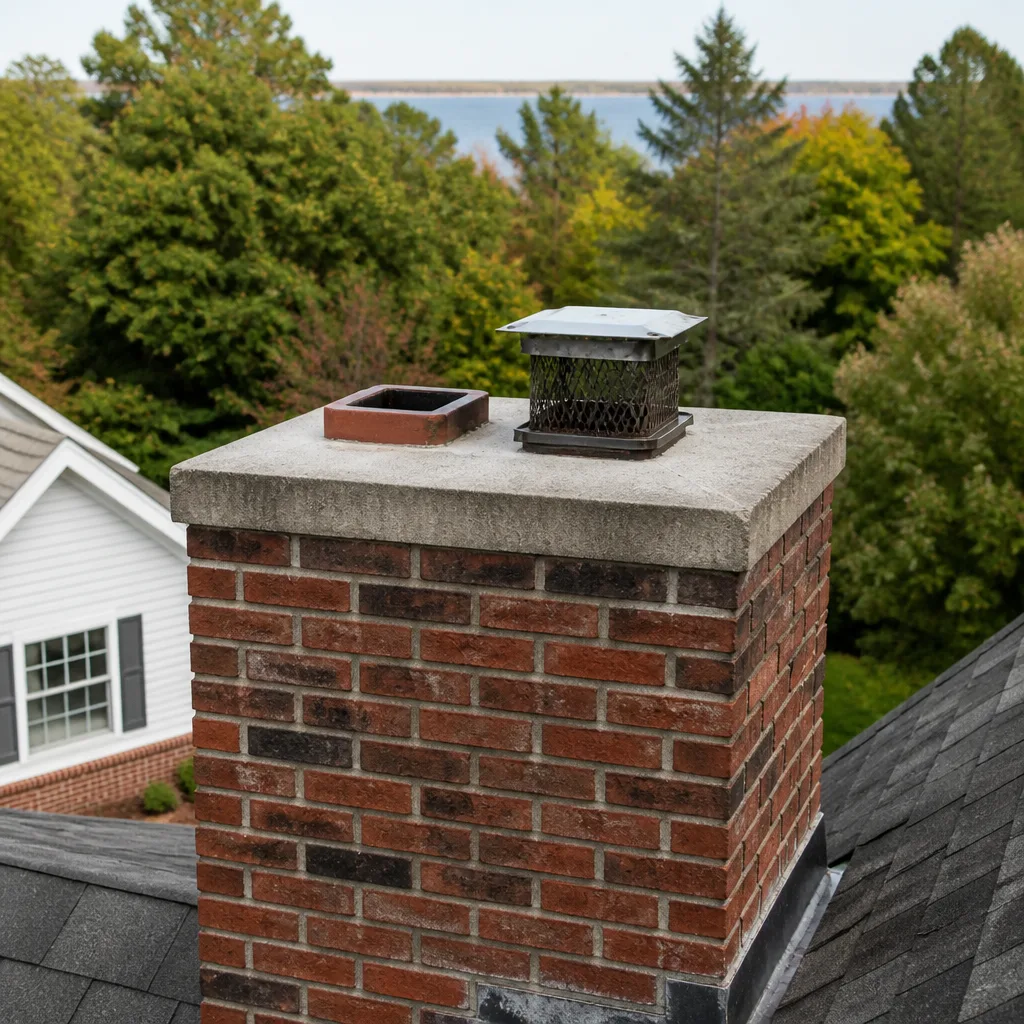 Sweep & inspection
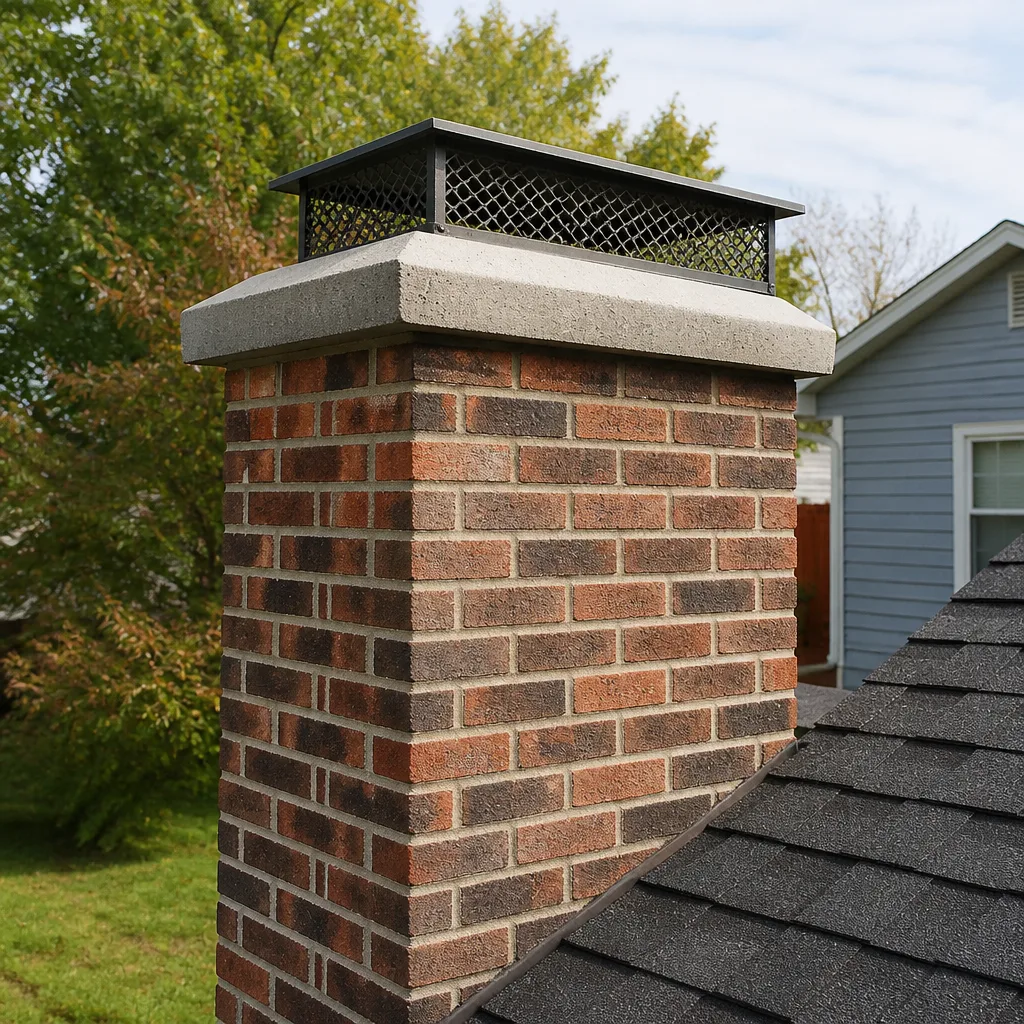 Caps & crowns
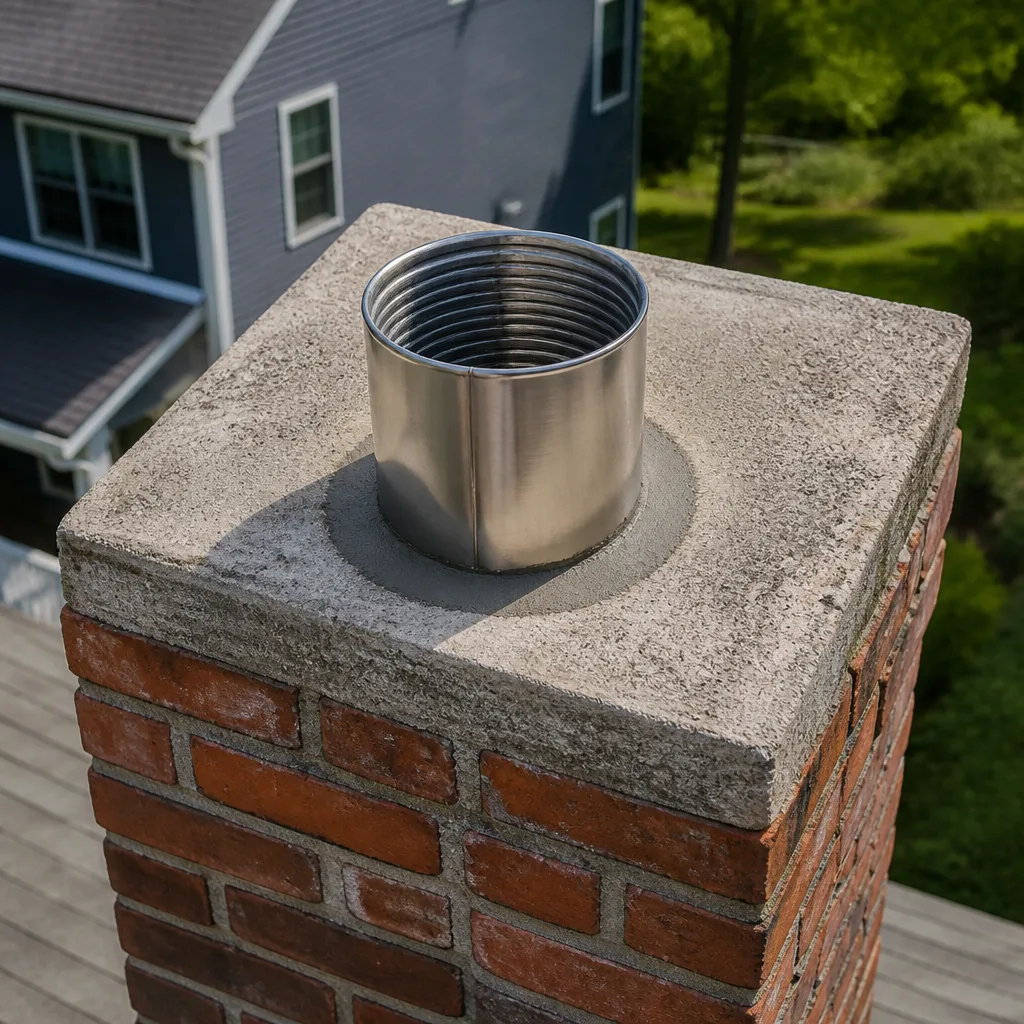 Flue relining
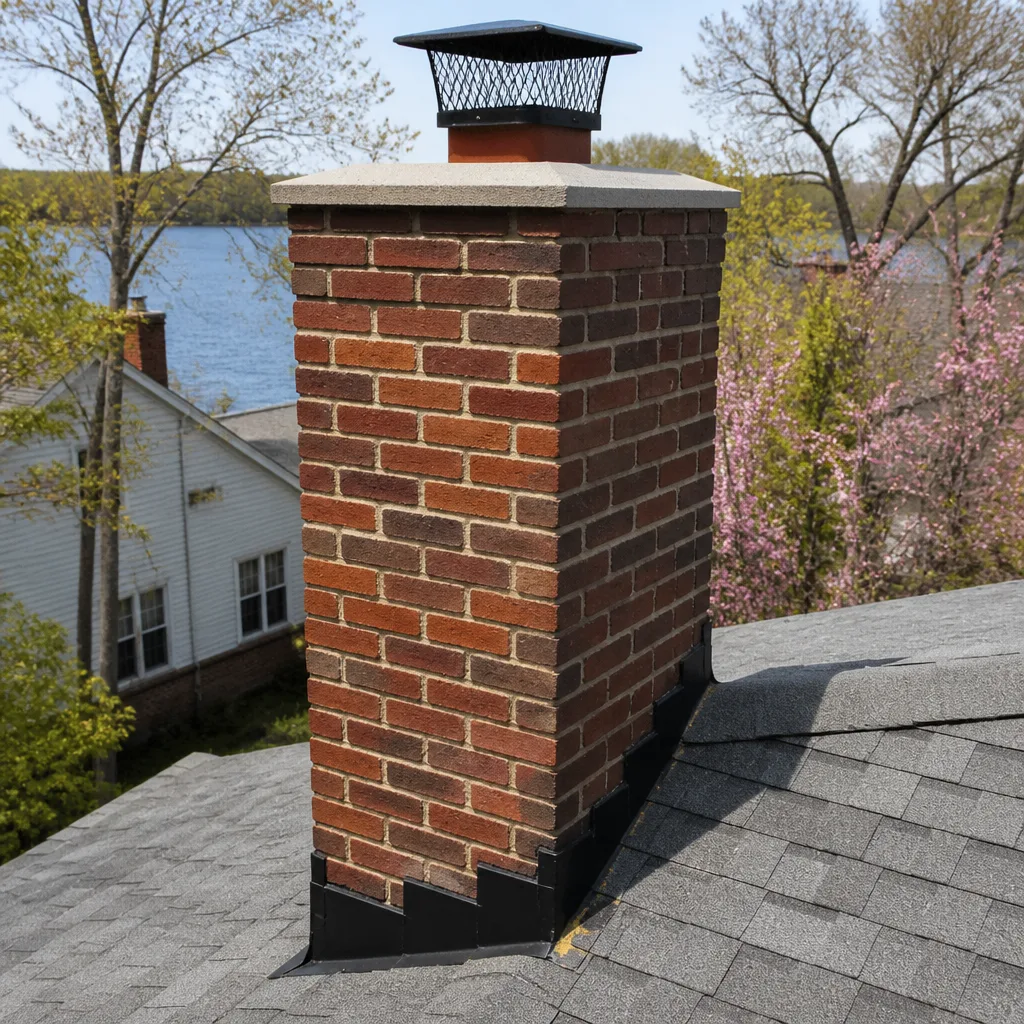 Masonry repair
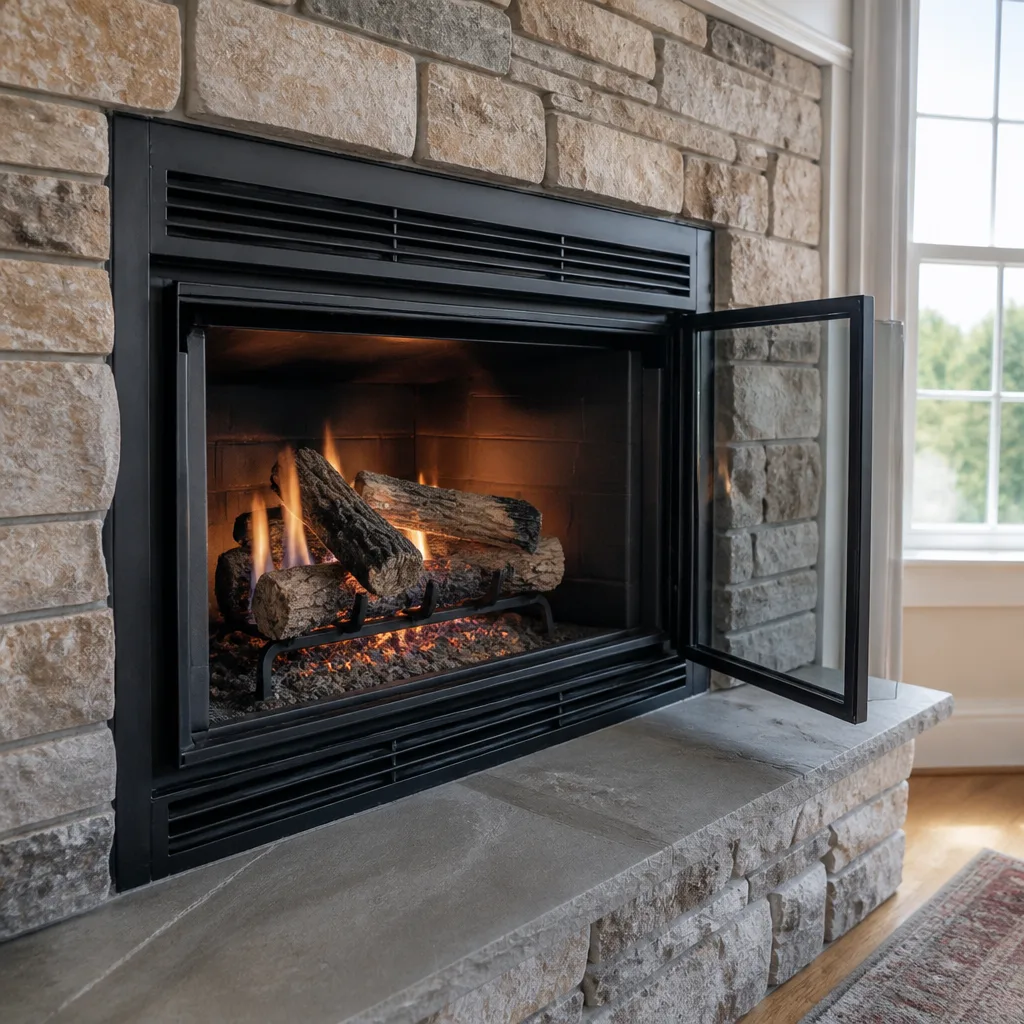 Gas fireplace service
Level 1 sweep and inspection to the NFPA 211 annual standard - flue, crown, cap, and flashing checked and photographed
Chimney sweep logs do not sweep chimneys. They loosen some creosote - which then falls where a brush and vacuum still have to collect it.
Chimney Sweep Maintenance Schedule: What to Do and When
A gas-log fireplace used three times a year and a wood-burning insert running from November through March are both called “fireplaces,” but putting them on the same maintenance schedule is like changing the oil in a taxi and a parked car at the same interval. The industry’s favorite rule – sweep once a year – is a decent starting point and a poor finish line. What actually determines how fast a chimney degrades is how you burn, what you burn, what the flue is made of, and what the weather does to the masonry between burns. In Allen, that last variable matters more than most homeowners realize. This guide lays out a schedule built around how you actually use your fireplace, with the sequence, the appliance-specific checklists, and the record-keeping that protects you if something goes wrong.
Quick Answer
Sweep and inspect your chimney once a year if you burn wood regularly, and inspect it every year even if you rarely light a fire. Heavy users – wood as a primary heat source – need a sweep and inspection every year plus a mid-season creosote check. Low-use gas and occasional wood fireplaces can go longer between sweeps but still need an annual inspection, because the biggest problems we find in Allen chimneys are structural, not soot-related. Always clean before you inspect, and inspect before you repair.
Styles & brands we work with
- Sweep & inspection
- Caps & crowns
- Flue relining
- Masonry repair
- Gas fireplace service
Table of Contents
- Match Your Schedule to How You Actually Burn
- What Allen’s Hot Summers Do to Masonry and Crown Sealant
- The Correct Order of Tasks: Clean, Inspect, Repair
- Appliance-Specific Annual Checklists
- Building a Maintenance Log That Protects You
- A Year-Round Calendar for Allen Homeowners
- When You Need a Sweep vs. When You Need an Inspection
Match Your Schedule to How You Actually Burn
Usage is the first variable, and it’s the one most homeowners estimate badly. “We hardly use it” often means twenty fires a season, which is not nothing. Be honest with yourself about frequency, and use the tiers below as your baseline. A chimney sweep is not a punishment for burning wood; it’s the maintenance that keeps the flue safe to use.
Tier 1: Low Use (Gas Logs, Occasional Wood)
Gas fireplaces and wood fireplaces lit a handful of times a year sit here. Gas logs produce far less creosote than wood, but they still vent combustion byproducts, and the venting system still needs eyes on it. For this tier:
- Annual inspection: Yes, every year. Venting problems and animal nests don’t care that you didn’t burn much.
- Sweep: Every two to three years for gas; every one to two years for occasional wood, or sooner if you notice any creosote buildup.
- What we check first: the termination cap, the vent joints, and whether the damper and firebox show any corrosion or debris.
Tier 2: Moderate Use (Wood, Seasonal)
This is the typical Allen household: fires on cold evenings from late fall through February, maybe a fire most weekends. You’re producing real creosote, just not in industrial quantities. For this tier:
- Annual sweep and inspection: both, every year, before the first burn of the season.
- Mid-season glance: check the firebox and flue throat visually once during the season. If you see glazed or shiny creosote, stop burning and get it swept.
- What we check first: creosote thickness in the flue, mortar joints at the smoke chamber, and the crown.
Tier 3: Heavy Use (Primary Heat Source)
Burning wood as your main heat through the winter accelerates everything – creosote accumulation, liner wear, mortar fatigue. For this tier:
- Annual sweep and inspection: non-negotiable, scheduled before the season starts.
- Mid-season creosote check: especially if you burn unseasoned wood or dampen the fire to stretch burn time, both of which build creosote faster.
- What we check first: glazed creosote (the dangerous kind), liner integrity, and whether the flue is sized correctly for the appliance.
What Allen’s Hot Summers Do to Masonry and Crown Sealant
The North Texas summer is the part of the maintenance calendar that most national chimney advice ignores entirely. Long stretches of heat and sun expand and contract the masonry shell and bake the sealant at the top of the chimney. The crown – the concrete cap at the top that sheds water away from the flue – is the component we see fail most often in Allen, and crown cracks are the doorway for water to get into the masonry and, eventually, into the house. Heat also widens existing hairline cracks in the mortar joints of older brick chimneys, which is why a visual check after summer, before the first fall burn, catches problems while they’re still cheap.
Here’s the post-summer walkaround that’s worth doing yourself, from the ground, with binoculars:
- Look at the crown from ground level. Any visible crack, chip, or separation from the flue tile is a call-your-specialist item.
- Check the flue tile at the top. A cracked or spalling tile means water is getting in and the flue needs professional attention.
- Scan the brick for loose mortar or spalling faces, particularly on the south and west sides where the sun hits hardest.
- Look for a leaning chimney, which points to a foundation or footing issue no amount of caulk fixes.
- Confirm the cap and spark arrestor are intact and animal-free. A missing cap in Allen means raccoons, squirrels, and birds have an open door.
None of that requires climbing anything, and it catches the majority of structural problems early. Anything on the list that fails, get inspected by a specialist before you light the first fire – water damage compounds, and a cracked crown is a much smaller repair than a rebuilt chimney top.
The Correct Order of Tasks: Clean, Inspect, Repair
This is the part that costs homeowners money when it’s done wrong. The sequence of maintenance is not a suggestion – it’s the order that produces accurate results and honest quotes. Clean first, inspect second, repair third. Reversing any of those steps means you’re working on the wrong information.
Why Clean Comes Before Inspect
You cannot inspect a flue you can’t see. A layer of soot and creosote hides cracks in the flue liner, gaps in the mortar, and failed joints. An inspector who peers into a dirty flue sees soot, and soot tells them nothing about the integrity of the liner. Sweep the flue first, then inspect the clean surface. Any company that quotes a liner replacement or resurfacing job without cleaning first is guessing, and you should not pay for a guess.
Why Inspect Comes Before Repair
Repair recommendations must flow from what the inspection actually found. A heat-resistant resurfacing product like HeatShield exists for a specific problem – a flue with a deteriorated interior that’s still structurally sound enough to carry a resurfaced lining. It’s not a universal fix. The inspection determines whether your chimney needs a resurfaced flue, a full reline with a product like DuraFlex, a crown repair, or nothing at all. The order matters because each repair addresses a different problem, and the wrong one wastes money and leaves the real issue in place.
Our inspection-first approach follows this sequence exactly, and we recommend that the homeowner be shown what the camera found before any repair is quoted. If the sequence ever gets skipped – a quote without a clean, an inspection without a camera – ask why.
Appliance-Specific Annual Checklists
Three appliances sit in most Allen homes, and each has its own annual checklist. The shared work – clean, inspect, verify draft – is the same. What differs is where the failure points live and what the inspector focuses on. Here’s what each setup actually needs.
Traditional Masonry Fireplace
- Sweep the firebox and flue; remove soot and creosote from the smoke chamber and damper area.
- Inspect mortar joints in the firebox and smoke chamber for cracks and deterioration.
- Check the damper for smooth operation and a tight seal.
- Inspect the crown, flue tile, and cap from the roof.
- Verify draft under realistic burn conditions.
- Check the chimney exterior for water staining, spalling brick, and loose flashing.
Zero-Clearance Fireplace
A zero-clearance fireplace is a factory-built metal unit inside a wood frame enclosure, and it has different rules. It needs a specialized inspection of the internal flue and the firebox panels – cracks in those panels are a fire risk. The checklist:
- Inspect the firebox for cracked or warped refractory panels.
- Check the refractory brick or liner panels for gaps at the seams.
- Inspect the internal venting and the termination cap for obstruction or separation.
- Verify that the unit’s air intake is clear and the glass door seals properly.
- Confirm the flue is swept and the venting is properly connected to the unit, not just the chimney.
Wood Stove Insert
An insert concentrates heat and produces more creosote than an open fireplace, so it earns extra attention:
- Sweep the flue and the insert’s interior flue collar.
- Inspect the liner – an insert should have a properly sized, insulated liner rated for the appliance, not just a connection to an oversized flue.
- Check the baffle, firebrick, and door gasket for wear.
- Verify the catalytic combustor if the stove has one, and check the bypass damper operation.
- Confirm clearance to combustibles around the insert and the hearth.
When an insert’s liner fails inspection, we reline with a stainless system – our work with DuraFlex and similar professional-grade liners is specified for the appliance, not whatever fits the flue. That’s the difference between a safe draft and an unsafe one.
Building a Maintenance Log That Protects You
A simple maintenance log is the single cheapest piece of insurance a homeowner can keep, and almost nobody does it. Here’s why it matters. If a chimney fire ever happens, your insurance company will want to see evidence that the chimney was maintained. A dated record of sweeps, inspections, photographs, and repair receipts shows a documented maintenance history. That documentation strengthens your claim and removes the “neglected appliance” argument from the conversation. If you ever sell the house, the log also becomes a disclosure asset – buyers want to see that the chimney was cared for.
You don’t need software. A notebook in a kitchen drawer works. Here’s what to record:
- Date and service performed. “Swept and inspected, October” is enough.
- Who performed it. Company name, and the technician’s findings in their own words if they gave a written report.
- Photographs. Before-and-after shots of the flue and firebox, plus any photo of the crown and cap. A camera inspection report with photos is worth keeping here.
- Measurements and condition notes. Creosote thickness, liner condition, crown condition – anything the inspection quantified.
- Receipts and invoices. Keep them with the log. A repair receipt is proof the work was done.
- Fuel notes. What kind of wood you burned and whether it was seasoned. If you had a chimney fire, note it here, even a small one.
The log takes two minutes per visit to maintain and pays for itself the first time you need it. It also does something subtler: it makes deterioration visible as a trend. If your inspector notes “crown showing minor cracks” one year and “crown cracks widened” the next, you catch the problem while it’s still a repair instead of a rebuild.
A Year-Round Calendar for Allen Homeowners
Burning season in Allen runs roughly October through March, and the maintenance calendar should bracket that window. Here’s a schedule that fits the local climate:
Late Summer Through Early Fall (August-September)
This is the ideal window for the annual sweep and inspection. The summer heat has had months to work on the crown and mortar, so the post-summer condition of the chimney is fully visible. Scheduling now beats waiting for the first cold snap, when every chimney company in the region is booked. The inspection also gives you time to complete any repair before the season starts.
Throughout Burning Season (October-March)
Mid-season visual checks on the firebox and flue throat, per your usage tier. This is when heavy users benefit from a mid-season creosote check. Pay attention to draft quality – if smoke is rolling back into the room or the fire is harder to light than last year, that’s information, and it means the chimney needs to be looked at sooner.
Late Winter Through Early Spring (March-April)
After the last fire, a visual check of the firebox and the exterior masonry. If the winter revealed any issues – a smoky chimney, a wet smell near the hearth – this is the season to get them evaluated. Repairs done in spring mean the chimney is ready months before the next season starts.
Throughout the Summer
Keep an eye on water intrusion. Water is the single most destructive thing to a masonry chimney, and the rainy periods in spring and fall do most of the damage. If you noticed dampness or water stains during the season, address the crown or flashing before summer’s heat draws it out.
When You Need a Sweep vs. When You Need an Inspection
These two services get used interchangeably, but they’re different jobs and the difference matters. A sweep is physical cleaning – brushing the flue, the firebox, the smoke chamber, and the damper area to remove soot, ash, and creosote. An inspection is an assessment – a camera-assisted evaluation of the flue, liner, firebox, and exterior to determine the chimney’s condition and safety. You need both, and you need them in that order, but they don’t happen on the same frequency for every chimney.
Think of it as a recurring check-up versus a cleaning. The inspection happens every year regardless of how much you burned, because it’s the only way to see structural problems that have nothing to do with soot. The sweep happens according to the fuel and the creosote levels the inspection finds. A gas fireplace with light use may go a couple of years between sweeps. A wood insert used heavily may need an annual sweep as a hard floor – and a mid-season touch-up if creosote accumulates fast.
What determines whether a sweep is due isn’t the calendar alone. It’s creosote thickness in the flue. In our experience, the typical threshold is around an eighth of an inch; if the flue shows more than that, or if any glazed, tarry creosote is present, the chimney needs to be swept before the next burn. The inspection tells you which situation you’re in. That’s the point of inspecting every year: it converts a fuzzy “should I get swept?” question into a specific answer.
Common Mistakes to Avoid
- Reversing clean and inspect. Asking for an inspection on a dirty flue gets you a guess about the liner, not a diagnosis. The clean comes first, always, because the inspector needs to see the actual surface.
- Skipping the annual inspection because the fireplace “looks fine.” Crown cracks, cracked flue tiles, and animal nests are invisible from the living room. The inspection is the only way to see the condition the appliance is actually in.
- Waiting until the first cold snap. Texas chimney demand spikes when the first frost hits, and the best repair window is late summer. The August-September sweep is the one that gets scheduled without a wait.
- Assuming a gas fireplace needs nothing. Gas logs still vent, and vents still fail. The annual inspection exists for a reason – corrosion, birds, and failed joints don’t care which fuel you burn.
- Letting an inspector skip the camera. A photo of the flue’s actual condition is your best defense against both missed problems and unnecessary upsells. If the inspection doesn’t include photos of what was found, ask for them.
- Burning unseasoned wood to save money. Green wood makes more creosote, and more creosote means a sweep in February instead of October. Seasoned firewood is one of the cheapest chimney upgrades there is.
- Not keeping a record. The maintenance log is the one item that costs nothing and pays off if you ever file a claim. Two minutes per visit.
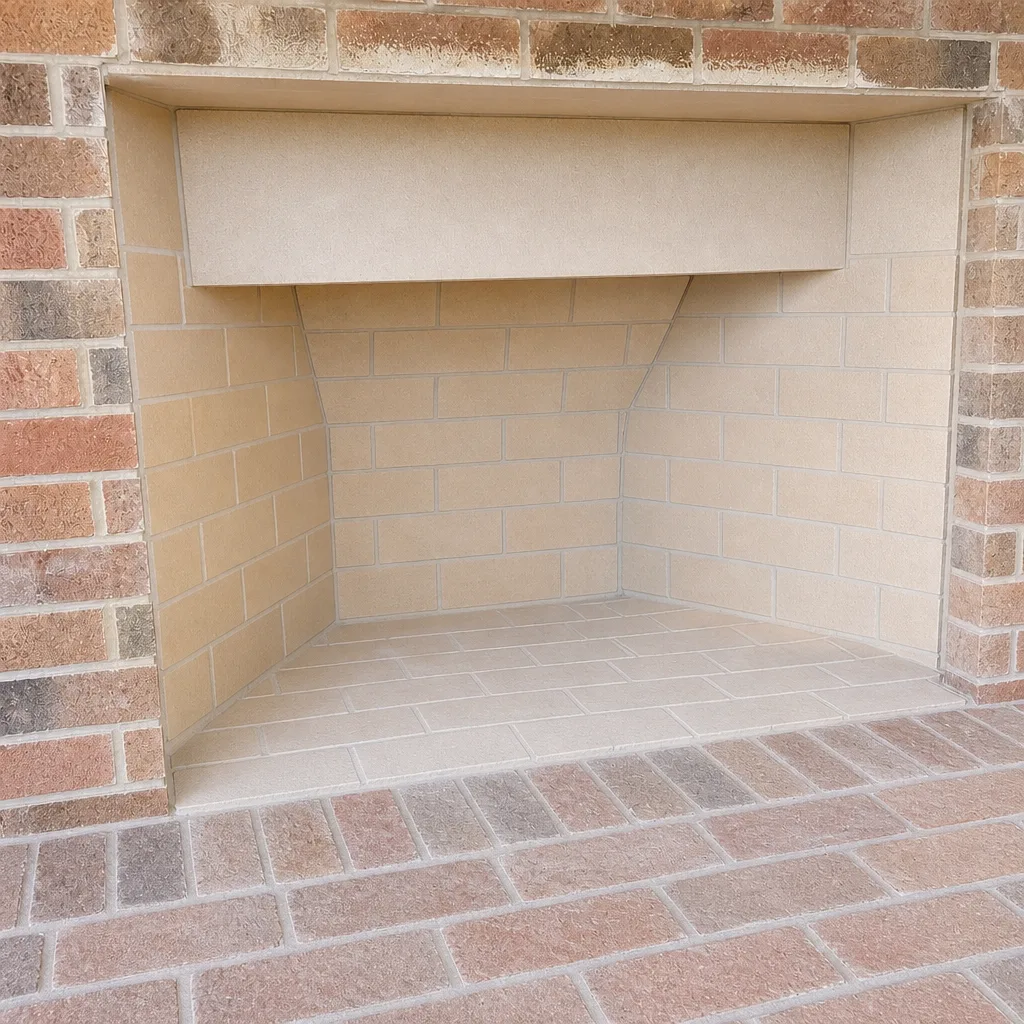
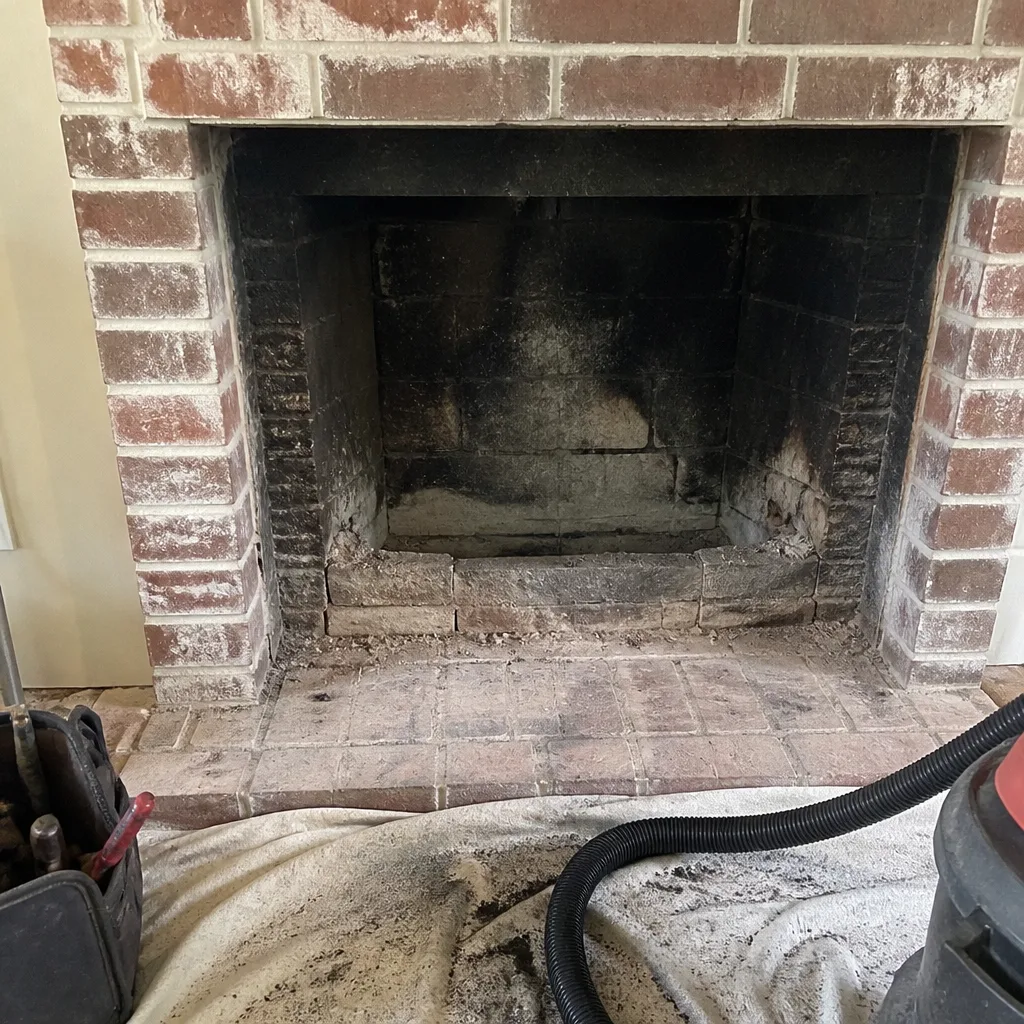
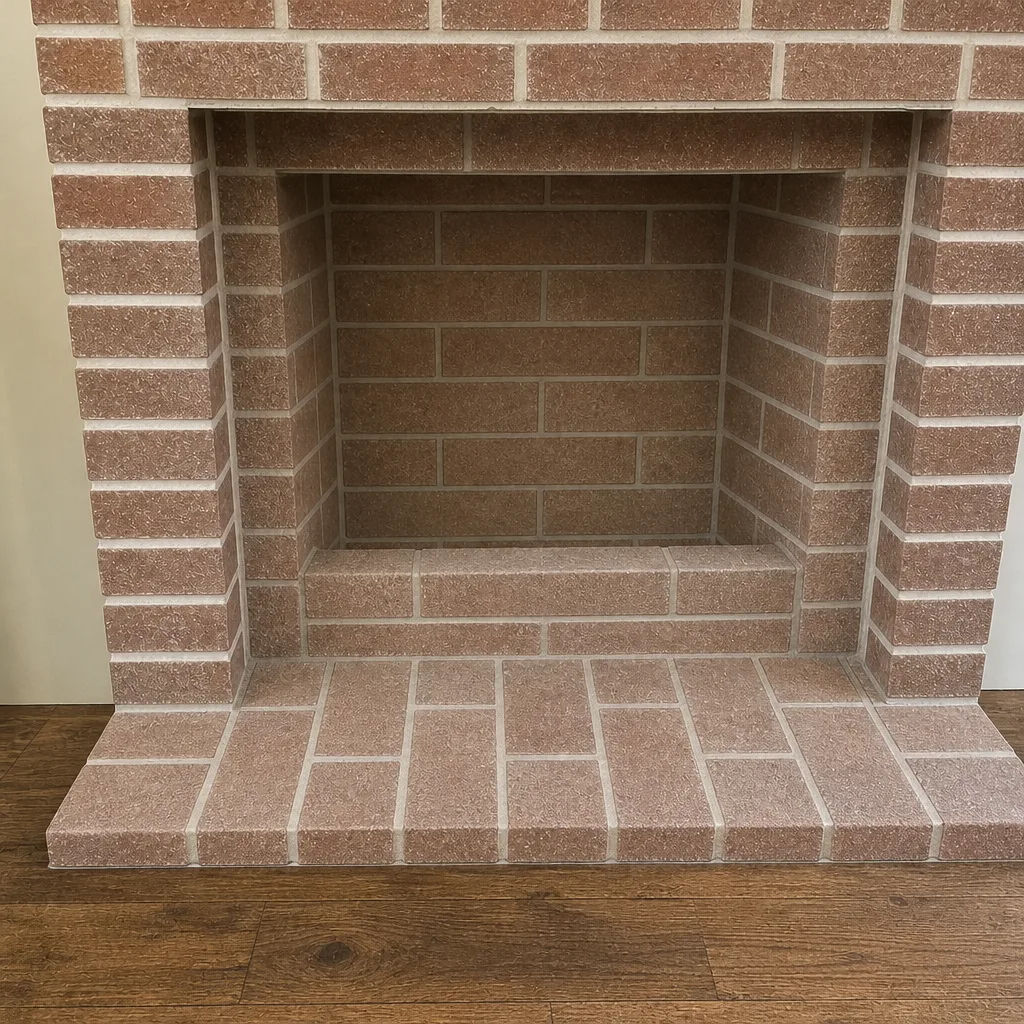
See the difference
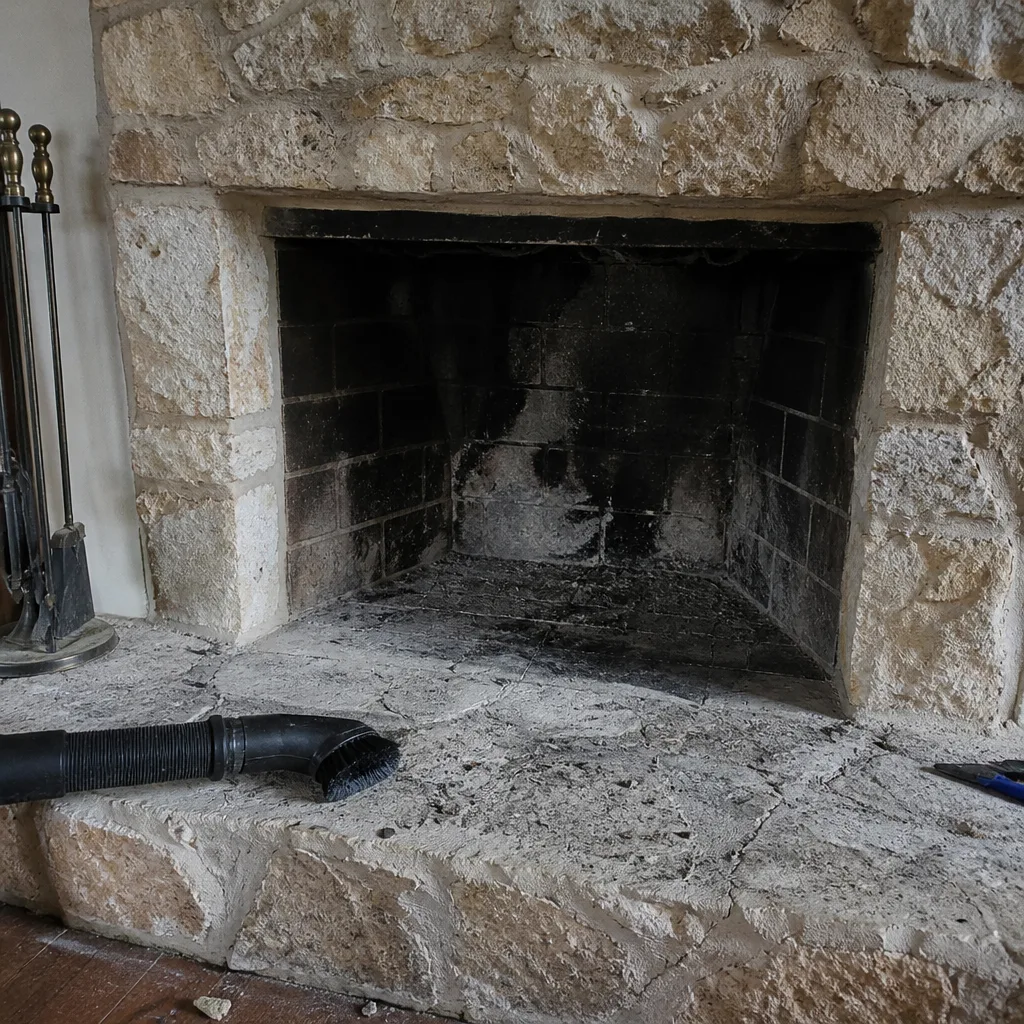 Before
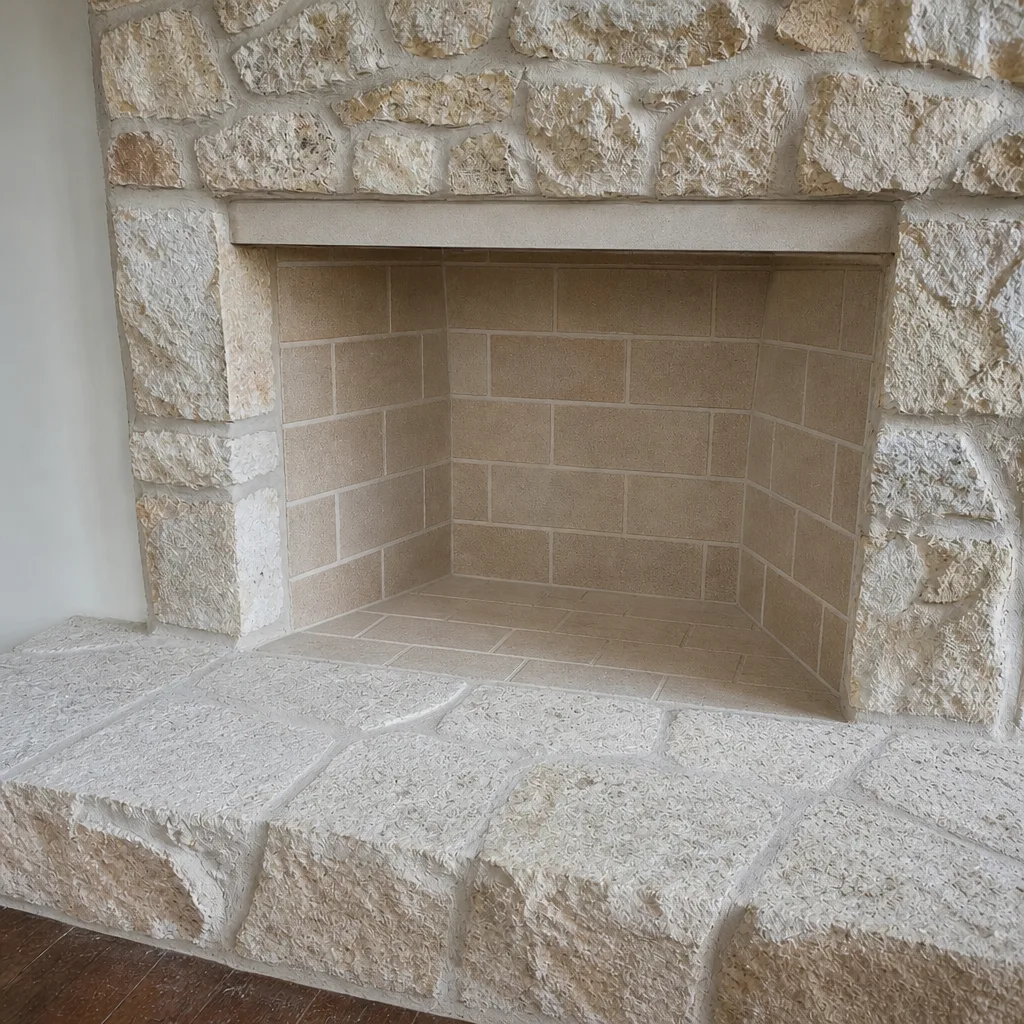 After
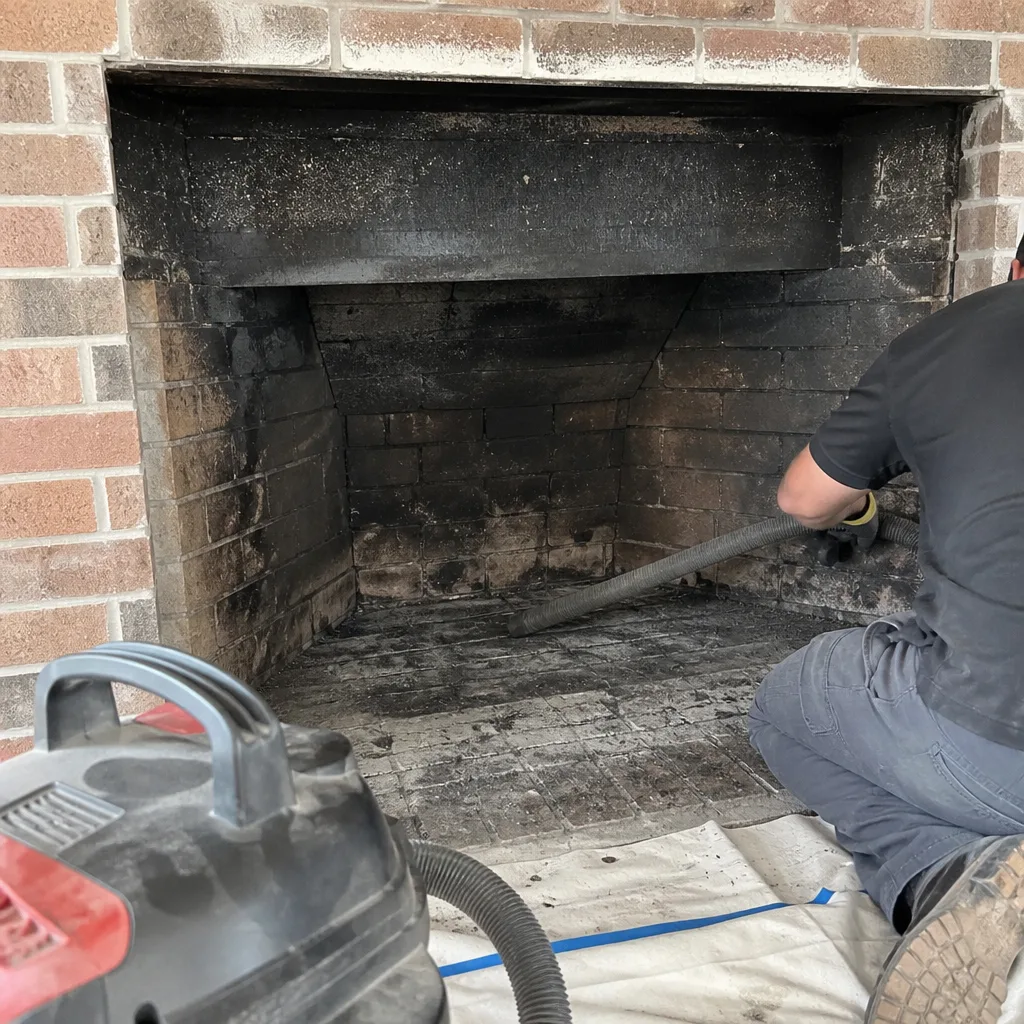 Before
 After
 Before
 After
When to Call a Professional
Some of the annual maintenance is homeowner work – lifting a log grate, inspecting the firebox visually, keeping a log, and looking at the crown from the ground. Certain situations require a specialist, always: glazed or shiny creosote in the flue (the dangerous kind, which only aggressive cleaning removes); any visible crack in the flue tiles; smoke rollback into the room; a smell of smoke or moisture near the hearth when the fireplace is off; a crown that’s cracked or separated; or any wood stove or insert installation that has never been inspected. If you had a chimney fire – even a small one you put out yourself – the flue needs a professional inspection before the next burn, because chimney fires can damage the liner without visible evidence. For flue interior problems, resurfacing with HeatShield and relining with a stainless system are specialist work and should not be attempted by anyone else.
Allen Chimney Cleaning offers free estimates in Allen – call (855) 965-4730. Our technicians have up to 12 years of experience, and the estimate is free, with the final price set by the written estimate. We answer 24/7. Fast dispatch from 7am to 7pm, Sunday through Friday.
Frequently Asked Questions
Once a year for regular wood users, and every two to three years for a gas or low-use fireplace, but always on an inspection that confirms the creosote level. The annual inspection is the fixed point; the sweep frequency adjusts to how you actually burn and what the flue shows. A mid-season check matters for heavy users if creosote builds fast. Call (855) 965-4730 for a free estimate on a sweep and inspection.
Yes. The annual inspection isn’t about soot – it’s about structural condition, and the biggest problems we find in Allen chimneys are cracks, failed crown sealant, and animal nests, none of which depend on how often you light a fire. Even a gas fireplace used a few times a year should be inspected annually, because the venting system still needs eyes on it. Call (855) 965-4730 to book an inspection.
You lose your early-warning system. Small crown cracks become water-damaged masonry, a cracked flue tile becomes a fire risk, and a nesting animal becomes an obstruction that sends smoke into the room. None of these announce themselves from the living room. The inspection is cheap compared to the repair, and it’s often the thing that lets you defer work instead of facing it later. Call (855) 965-4730 for an honest assessment of what your flue actually needs.
Because each step depends on the one before it. You can’t inspect a flue you can’t see, and you can’t recommend the right repair without an accurate inspection. A quote for resurfacing or relining before a sweep isn’t based on anything but guesswork. The right order means the recommendation comes from evidence, and the homeowner can see that evidence for themselves. Call (855) 965-4730 for a photo-documented inspection.
Yes – the post-summer check before the first fall burn is the one the local climate demands. Long North Texas summers expand and contract the masonry, bake the crown sealant, and widen existing hairline cracks, so the chimney’s condition after summer is the condition it’s in when you light the first fire. A ground-level visual check of the crown, flue tile, brick, and cap is a sensible early-fall routine. Call (855) 965-4730 if anything on that list looks off.
It documents the chimney’s condition over time, which strengthens an insurance claim if a fire event ever occurs and gives a buyer confidence if you sell. It also makes deterioration visible as a trend, so a crack that widened since last season gets caught as a repair instead of a rebuild. The log costs nothing to keep – two minutes per visit – and it’s the most valuable record a chimney owner can hold. Call (855) 965-4730 to schedule the visit that starts it.
The Bottom Line
There’s no single calendar that works for every fireplace. The schedule that protects your chimney is built from four variables: how often you burn, what you burn, what your flue is made of, and what the North Texas climate has done to the masonry since last season. The annual inspection is the constant – one visit per year to see what the flue can’t show you from the living room. The sweep frequency adjusts to the creosote the inspection finds. The repair, if one is needed, follows the inspection, never precedes it. Keep the log, do the post-summer visual check, and schedule the sweep before demand peaks in the fall. That framework catches problems while they’re still cheap and keeps the chimney safe for every burn of the season.
If it’s been a while since your chimney was properly inspected, Allen Chimney Cleaning offers three core services – chimney sweeping, chimney inspection, and chimney repair – under one company, so a problem found during the inspection doesn’t get handed off to another contractor. Our technicians have up to 12 years of experience and work from trade-spec materials including DuraFlex and HeatShield. For homeowners across Allen and the surrounding area, call (855) 965-4730 for a free estimate. We answer 24/7. Fast dispatch from 7am to 7pm, Sunday through Friday.
Written by the team at Allen Chimney Cleaning.