
Last updated November 16, 2026
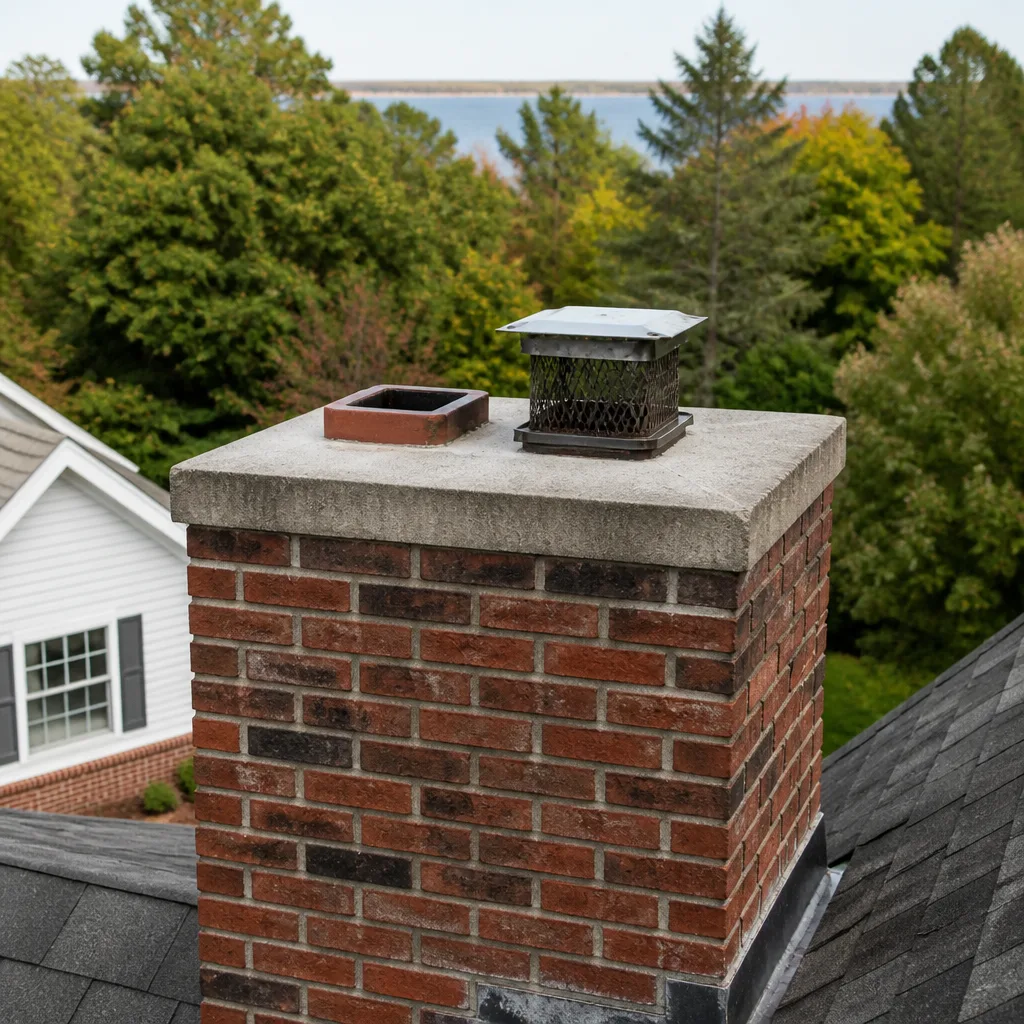 Sweep & inspection
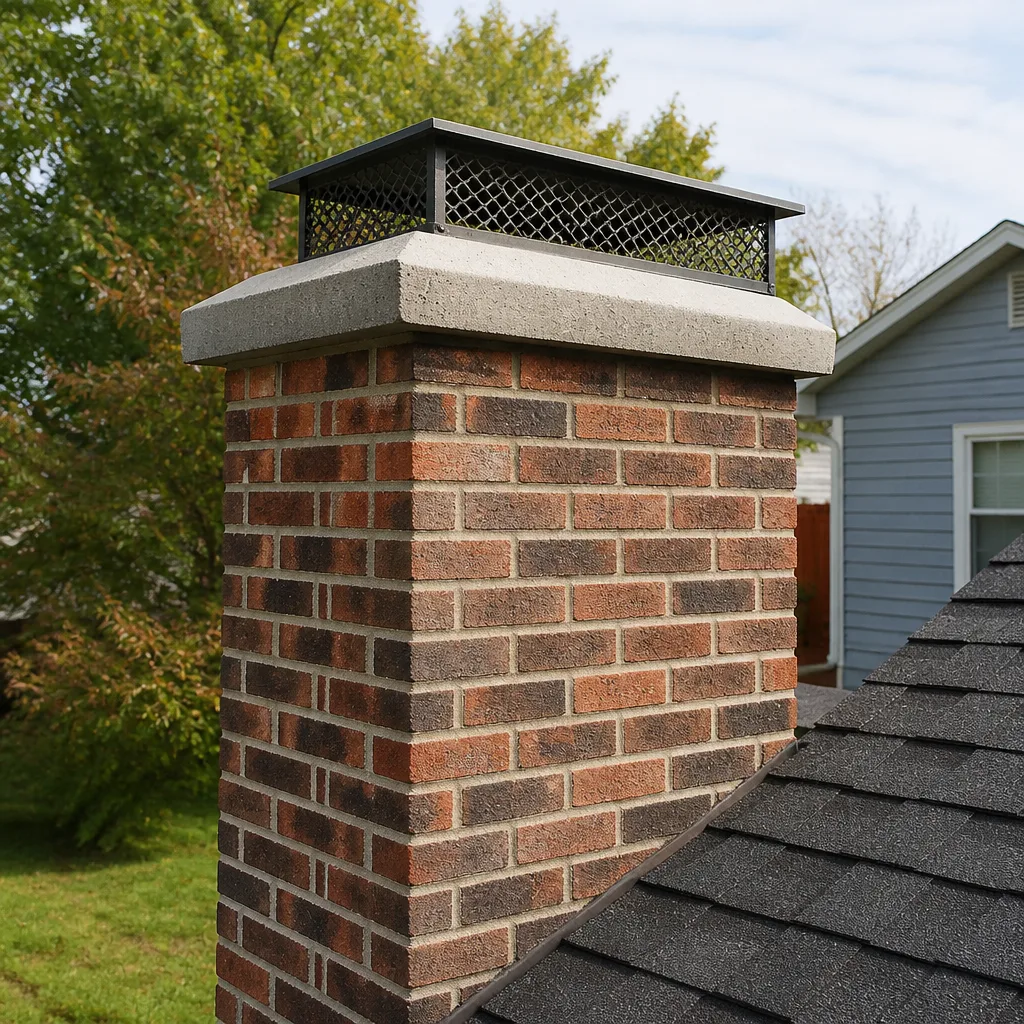 Caps & crowns
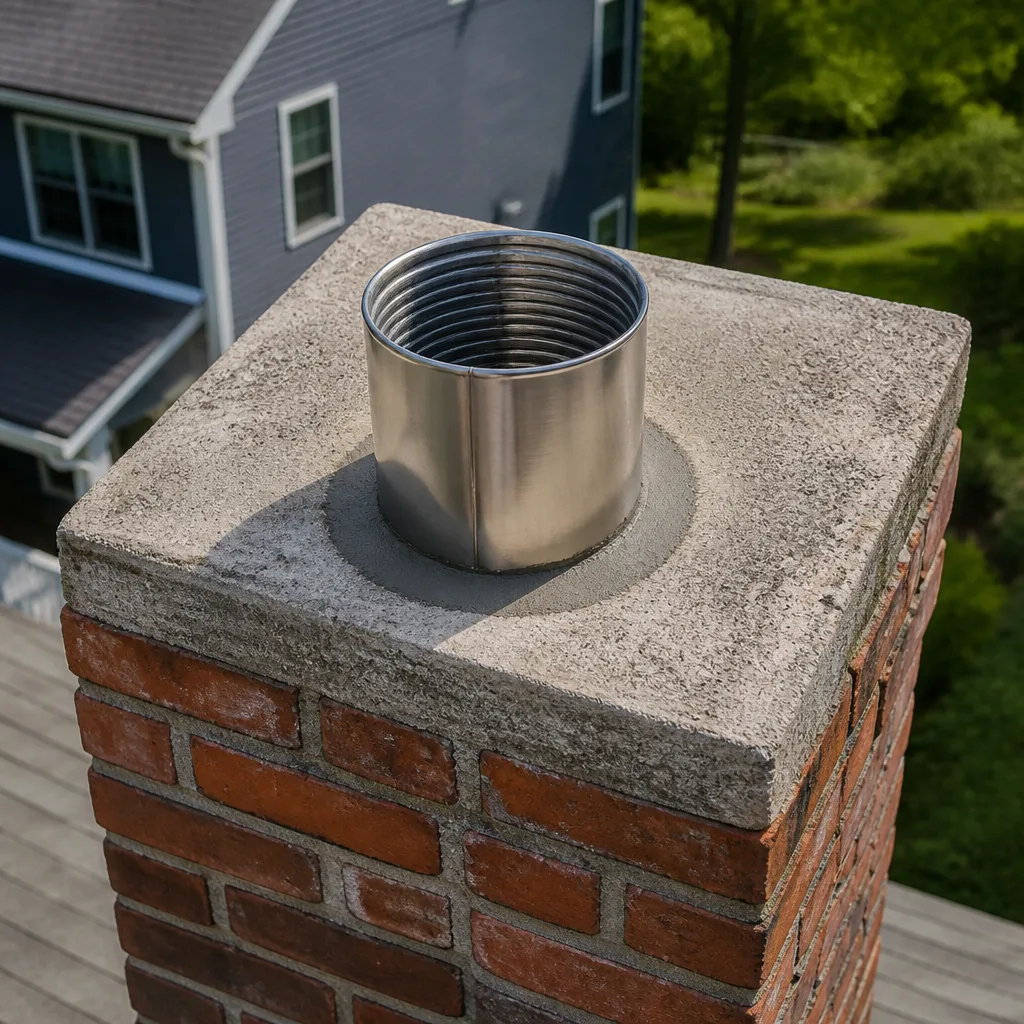 Flue relining
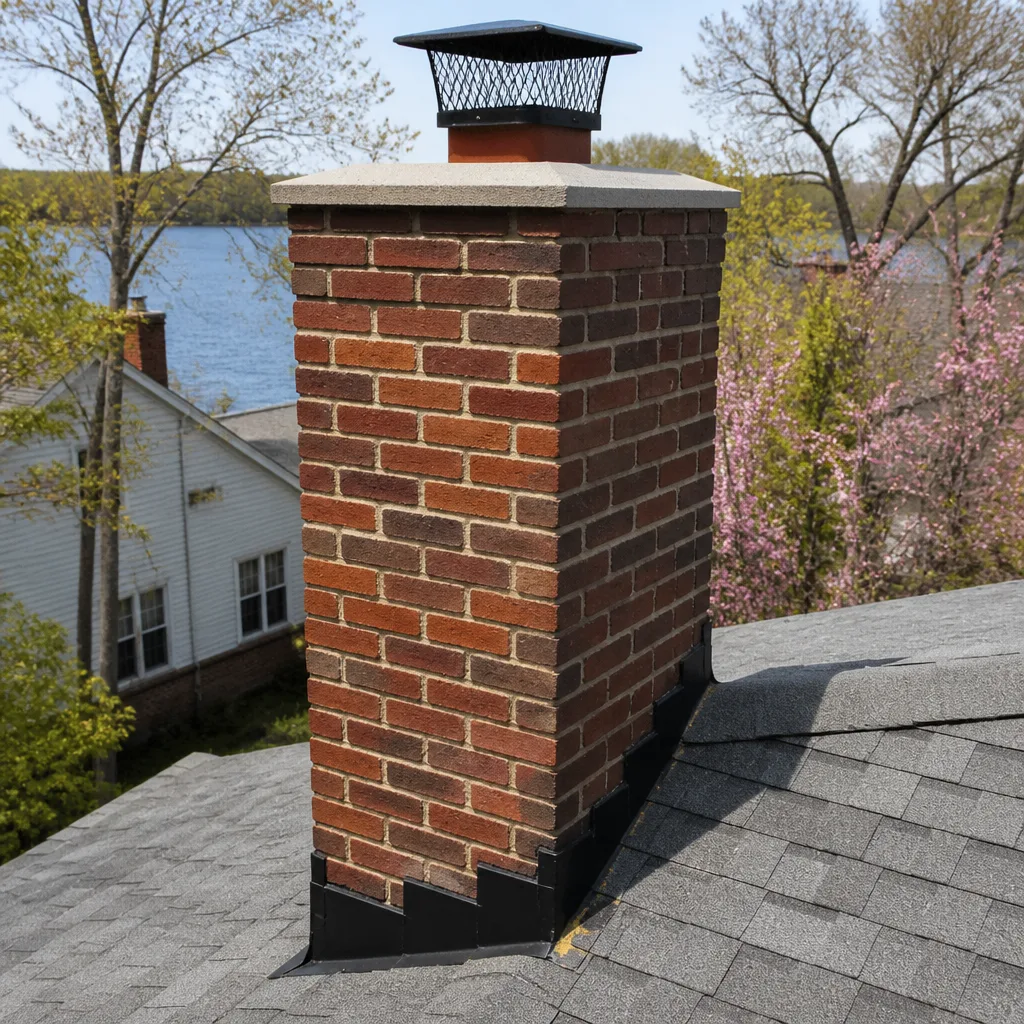 Masonry repair
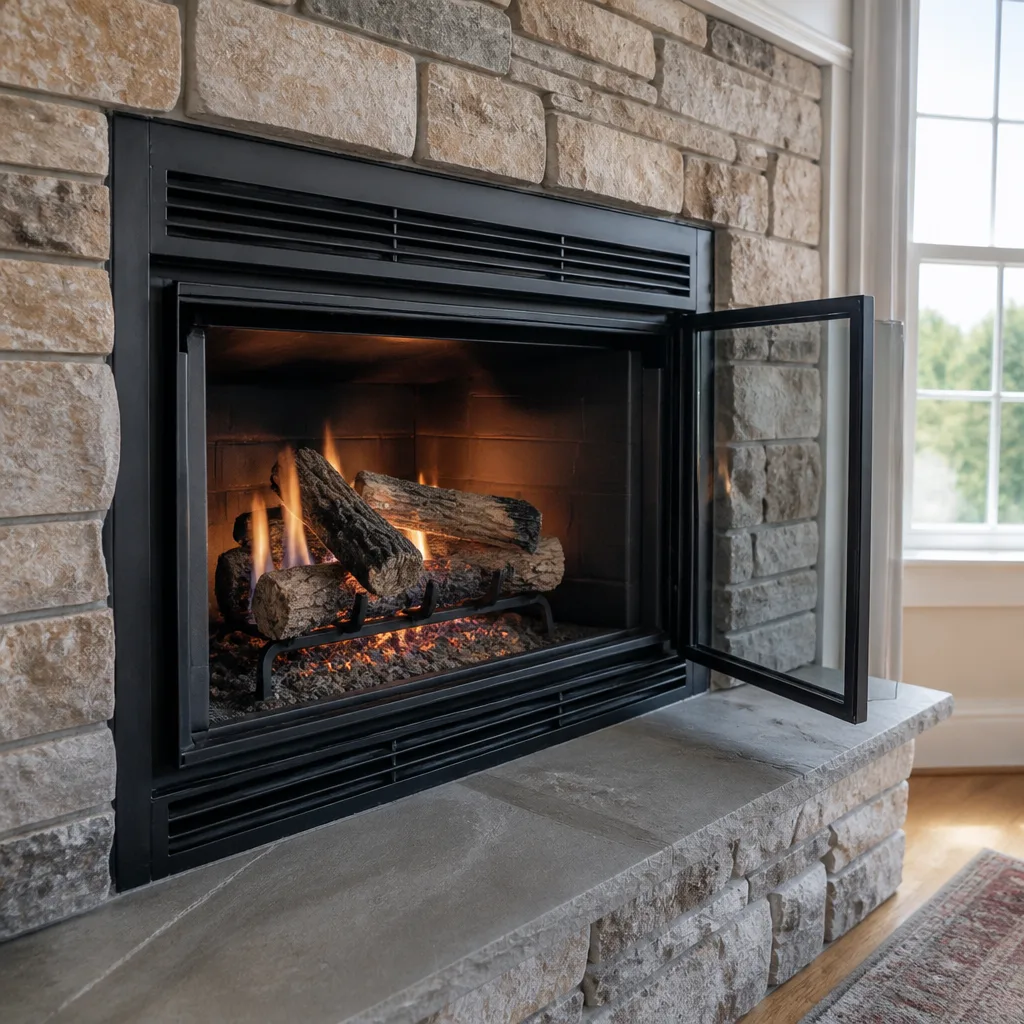 Gas fireplace service
Level 1 sweep and inspection to the NFPA 211 annual standard - flue, crown, cap, and flashing checked and photographed
Chimney sweep logs do not sweep chimneys. They loosen some creosote - which then falls where a brush and vacuum still have to collect it.
Chimney Cleaning Cost Breakdown: The Allen Homeowner’s Reference for 2026
Two quotes for a “chimney cleaning” in Allen can sit $200 apart and both be honest. That’s the part nobody explains. One price covers a brush down the flue with a shop vac at the hearth; the other includes a leveled inspection, a sealed vacuum system, a written report and a technician who can tell you what your flue liner actually looks like. The gap isn’t markup – it’s scope. This guide decodes the invoice line by line so you can compare quotes on equal footing, spot what a cheap special leaves out, and know what repair add-ons realistically cost before anyone hands you an estimate. If you’ve ever wondered why chimney pricing feels like guesswork in Allen, this is the reference that fixes it.
Quick Answer
A standard single-flue chimney cleaning in Allen, TX in 2026 typically runs $180 to $320, and that range should include a Level 1 inspection, vacuum containment at the firebox, and a written report. Quotes under $100 usually strip out the inspection report and containment, while quotes over $350 generally add a camera scan, a second flue, or access work for a two-story chimney. The written estimate always sets the final price.
Styles & brands we work with
- Sweep & inspection
- Caps & crowns
- Flue relining
- Masonry repair
- Gas fireplace service
Table of Contents
- What a Standard Single-Flue Cleaning Should Include in Allen
- The Line-Item Breakdown: What Each Part of the Invoice Buys
- Cost Factors Specific to Allen Homes
- When to Expect Repair Add-Ons and What They Cost
- How to Evaluate a Quote in Writing
- Why the “$79 Chimney Special” Costs More Than It Saves
- How Often Allen Homeowners Actually Need a Sweep
- Common Mistakes to Avoid
What a Standard Single-Flue Cleaning Should Include in Allen
A standard single-flue cleaning in Allen should include four things: a visual inspection of the firebox, damper, smoke chamber and flue; mechanical cleaning of the accessible flue with brushes sized to the liner; vacuum containment running the whole time so soot stays out of your living room; and a written summary of what was found. If a quote doesn’t mention all four, ask which one is missing before you book. That absence is usually where the price gap lives.
Here’s what the work looks like when it’s done properly on a wood-burning fireplace:
- Protect the room. Drop cloths go down around the hearth, and a HEPA vacuum hose is staged at the firebox opening before any brush touches the flue.
- Inspect first. The technician checks the damper operation, the firebox brickwork, the smoke chamber shelf, and the visible flue interior. Problems get noted before cleaning, not discovered mid-sweep.
- Sweep the flue. Rods and brushes sized to the flue diameter run from the top or bottom depending on the setup. Creosote comes off the liner walls and drops to the firebox, where the vacuum catches it.
- Clean the smoke chamber and shelf. This angled section above the damper is where creosote accumulates in ridges and where many cheap sweeps stop short.
- Clear the firebox and vacuum out. Ash and debris are removed, the damper is checked again, and the containment comes down last.
- Write it up. You get a plain report: what was cleaned, what condition the flue is in, and whether anything needs attention.
In Allen, most homes with a wood-burning fireplace or insert are set up for a straightforward sweep. Homes with factory-built fireplaces can sometimes be cleaned a little faster, while older masonry chimneys with offset flues take longer because the brush has to work around a jog. That time difference shows up on the invoice as an access charge, and it’s a legitimate one. Our technicians have up to 12 years of experience across both setups, so the time estimate we give when booking a chimney sweep in Allen matches what the job actually takes.
The Line-Item Breakdown: What Each Part of the Invoice Buys
Every legitimate chimney cleaning invoice breaks into a handful of line items. Understanding what each one covers is the difference between comparing prices and comparing guesses. Below is how the parts usually stack up for a single-flue cleaning in the Allen market in 2026:
- Inspection (Level 1) – $60 to $110. A visual check of the accessible portions of the flue, firebox, damper and chimney exterior. This is what generates the written report. It is not the same as a camera scan.
- Cleaning method – $90 to $160. Rod-and-brush is the standard for standard flues. Rotary cleaning uses a spinning head for heavier creosote, and it costs more because it takes longer and requires more containment care.
- Vacuum containment – $25 to $50. A HEPA vacuum tied into the firebox opening so no soot escapes into the room. This is the single most under-quoted line item in a cheap estimate.
- Written report – bundled or $0 to $40. A summary of what was found. If a quote doesn’t include one, that’s a red flag, because you can’t verify anything afterward.
- Access surcharge – $0 to $75. Two-story chimneys, steep roof pitches, or flues reached from a ladder rather than a walkable roof line. Legitimate and worth asking about up front.
- Additional flue – $80 to $150 per flue. A second flue on the same chimney means a second sweep. Some quotes bury this; ask directly.
Stacked together, those items land a typical Allen single-flue cleaning in the $180 to $320 range. Add a camera scan (usually $100 to $200 more) if the technician sees something the Level 1 inspection can’t resolve, such as a cracked tile joint or heavy glaze creosote. That camera work is where a chimney inspection crosses from routine to diagnostic.
The best way to read a quote is to compare apples to apples: find the inspection line, find the containment line, and check whether the report is included. If two quotes differ by the presence or absence of those three, the lower one isn’t really cheaper – it’s just thinner. Our approach is to price per job from a written estimate, never a flat phone quote, because the flue condition dictates the work. You can see how that plays out on our chimney repair page when issues turn up.
Cost Factors Specific to Allen Homes
Allen’s housing stock varies enough that no single price fits every chimney. Three factors show up regularly and each nudges the estimate:
Original clay tile liners
Many Allen homes built in the 1990s and early 2000s still have their original clay tile liners. Those tiles are fine for the appliance they were sized for, but they’re vulnerable to cracked joints after years of heating cycles and, in some cases, minor settling. When a sweep finds a cracked joint, the honest recommendation is often a camera inspection and possibly relining – not just another brush-down. A sweep that ignores this isn’t saving you money; it’s deferring a repair. That’s why Allen jobs sometimes cost more than a routine sweep: the flue tells us it needs more than a routine sweep.
Two-story chimneys and longer access
Allen has a lot of two-story homes with the chimney running up an exterior wall. Reaching the flue from the roof takes longer, and ladder safety matters more. That translates into the access surcharge noted above – usually $25 to $75, occasionally more if roof pitch complicates the setup. It’s not padding; it’s time.
Wood inserts and freestanding stoves
An insert changes how the flue is cleaned because the firebox opening is smaller and the flue often runs behind the insert. Some inserts have to be pulled forward or have a baffle removed to access the flue properly. That’s an access consideration, not a separate service, but it does add time. Be up front about what appliance you have when you book the appointment so the estimate reflects reality. Our technicians have up to 12 years of experience with inserts and stoves across Allen, and we’d rather quote it accurately than surprise you at the door.
One cost factor that doesn’t apply here: hard freezes are rare in Allen, so you shouldn’t see winterization charges on a cleaning invoice. If a quote includes them, ask what they cover.
When to Expect Repair Add-Ons and What They Cost
Not every sweep turns into a repair, and any honest technician will tell you when something can safely wait. But knowing realistic prices in advance stops the estimate from feeling like a sales pitch. Below are typical Allen market ranges for the repairs most commonly quoted after a sweep in 2026:
- Chimney cap replacement – $150 to $450. The cap keeps rain and animals out of the flue. A missing or rusted-out cap is one of the more common findings, and replacement is usually straightforward.
- Crown repair – $250 to $700. The crown is the mortar cap at the top of the chimney that sheds water away from the brick. Cracks in the crown let water in, so this matters. Small cracks can often be sealed; larger crown damage requires rebuilding that top section.
- Damper replacement – $250 to $600. A damper that won’t close, or closes poorly, means you’re losing heat up the flue whenever the fireplace is idle. Top-sealing dampers are often recommended because they sit at the top of the flue and seal better.
- Liner relining – $2,200 to $5,500. Relining is the big-ticket item. It becomes necessary when the existing clay tile liner is cracked, spalled or insufficient for the appliance. We use DuraFlex liner systems for relining work because they meet modern venting safety standards, and HeatShield resurfacing when the existing liner can be repaired rather than replaced. Relining is the main place where cheap work gets expensive later, so this line deserves a real conversation, not a phone quote.
A phrase that shows up in the field and confuses homeowners: “your liner is shot.” Ask what specifically is wrong – cracked tiles, gaps between tiles, heavy glaze creosote, corrosion on a metal liner – and ask to see the evidence. Camera photos are the answer. If a technician can’t show you the problem on a screen, ask why not. HeatShield masonry resurfacing exists specifically because sometimes the correct fix is renewal instead of replacement, and knowing the difference is a genuine repair capability, not a cleaning add-on.
You’ll get a written estimate for any repair recommendation, and the estimate is free. That means the number you see is the number you decide on – no pressure to say yes on the spot.
How to Evaluate a Quote in Writing
Evaluating a chimney cleaning quote comes down to one habit: insist on seeing the line items before you authorize anything. A written quote with all of these in place gives you a fair comparison. A verbal number over the phone doesn’t. Here’s a numbered checklist to run every quote through:
- Inspection level stated. Level 1 (visual), Level 2 (camera scan) or Level 3 (invasive). Make sure you know which you’re buying.
- Cleaning method stated. Rod-and-brush or rotary. If the quote doesn’t say, ask. It affects both the time and the quality.
- Vacuum containment explicitly included. Look for the words HEPA or sealed vacuum. If the quote doesn’t include it, your furniture is coming along for the ride.
- Written report included. No report, no way to verify the job was done right. This is non-negotiable.
- Additional flues itemized separately. If you have two flues, they should be two line items.
- Access surcharge stated if applicable. A two-story chimney or steep roof means an access charge. It’s fair; it just needs to be visible.
- Repairs quoted separately with evidence. Any repair recommendation should have a photo or a camera view attached, plus a range for the work, not a single scary number.
Once you have two or three quotes that pass this checklist, the comparison gets easy. The lowest price almost always drops one of these items. Ask which item was dropped and the gap usually explains itself. Our estimates are written for exactly this reason – the estimate is free, the flat price for the sweep is agreed before booking, and any repair pricing is separate and evidence-backed. That’s the standard we’d want for our own homes.
Why the “$79 Chimney Special” Costs More Than It Saves
The $79 chimney special shows up on neighborhood message boards in Allen every fall, and the number is real. What isn’t advertised is the scope. A typical special at that price excludes the written inspection report, cleans only the accessible upper portion of the flue, and skips the vacuum containment setup that keeps soot out of your living room. What you get for $79 is a brush down the flue and a much dustier house.
Here’s the problem with that arrangement. The whole point of a chimney sweep in 2026 isn’t removing soot – it’s finding out what condition the flue is in. A sweep without an inspection is like a car wash without anyone checking the brakes. If a cracked tile or heavy creosote glaze goes undetected because the report was never part of the job, the homeowner finds out about it later, often after the next burning season.
To be fair, the special exists because some companies treat the sweep as a lead-generation tool and make their money on repairs. That model creates pressure to find something. The opposite model – inspection first, honest assessment, repair only when evidence supports it – is what we prefer. If the flue is clean and sound, we say so, and that’s the whole job.
This is the specific problem the $79 price hides. When you compare it to a $220 quote that includes containment and a report, you’re not comparing cheap to expensive. You’re comparing the bottom of the flue to the whole flue.
How Often Allen Homeowners Actually Need a Sweep
Chimney sweeps recommend an annual inspection for every chimney, and a cleaning any time creosote reaches about 1/8 inch on the flue walls. In practice, that means most Allen homeowners who burn regularly – say, a few fires a week during the cooler months – should plan on a sweep once a year. Lighter users who burn a handful of fires a season can often go 18 to 24 months between cleanings, provided an annual visual inspection still happens.
The variables that change the timeline:
- Burn frequency. More fires, more creosote, more frequent sweeps.
- Wood quality. Seasoned hardwood burns cleaner than green wood or softwood. Unseasoned wood leaves more creosote behind.
- Appliance type. A wood insert or stove usually runs hotter and more efficiently than an open fireplace, but the flue still needs checking.
- Gas appliances. A gas log set or gas fireplace doesn’t produce creosote the way wood does, but the flue still needs an annual inspection because corrosion and blocked venting are real concerns. Carbon monoxide is the safety issue here, not creosote.
Allen’s mild winters mean fewer burning days than a colder climate, which is why many local homeowners can stretch the interval a bit. That’s not a reason to skip the annual inspection. The inspection is where problems get caught before they become expensive.
Common Mistakes to Avoid
- Booking the cheapest quote without asking what’s in it. The $79 special omits the inspection report and containment. Ask what each quote includes before you compare prices.
- Accepting a phone quote as the final price. Chimney pricing depends on flue condition and access. A real estimate is written, after someone looks at the flue. Ours always is.
- Skipping the annual inspection on a gas fireplace. Gas chimneys don’t creosote up, but they can corrode or block, and carbon monoxide is the risk. An annual inspection catches it.
- Saying yes to relining without seeing the evidence. Relining is a $2,200 to $5,500 job. Ask for camera images of the cracked tiles or gaps before you commit. If a technician can’t produce them, wait.
- Assuming two-story access is included. It may not be. Ask before the appointment whether your roof setup requires an access surcharge.
- Ignoring a cracked crown. Water intrusion through a damaged crown shows up years later as spalling brick. A $250 to $700 crown repair now beats masonry work later.
- Letting the flue go because “it still draws.” A flue that drafts fine can still have heavy creosote or a cracked liner. Draft is not a safety check.
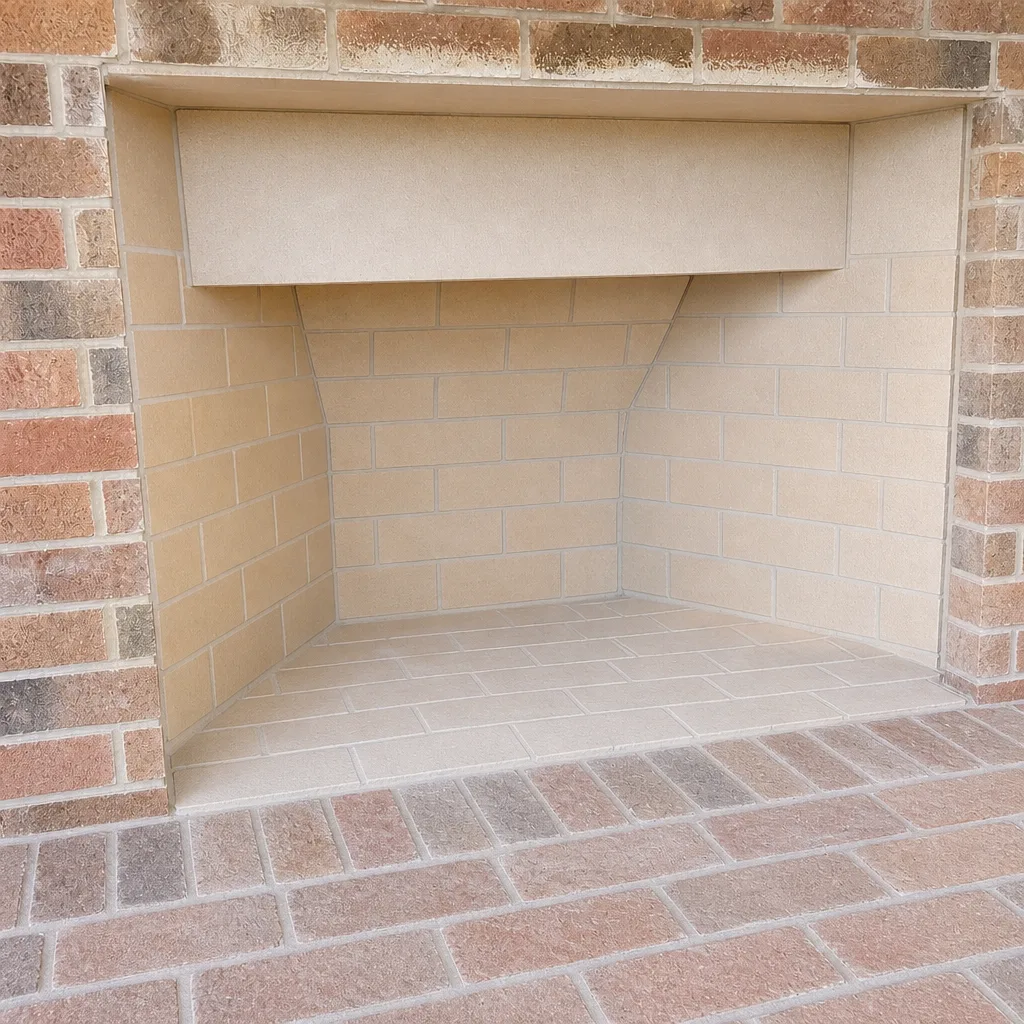
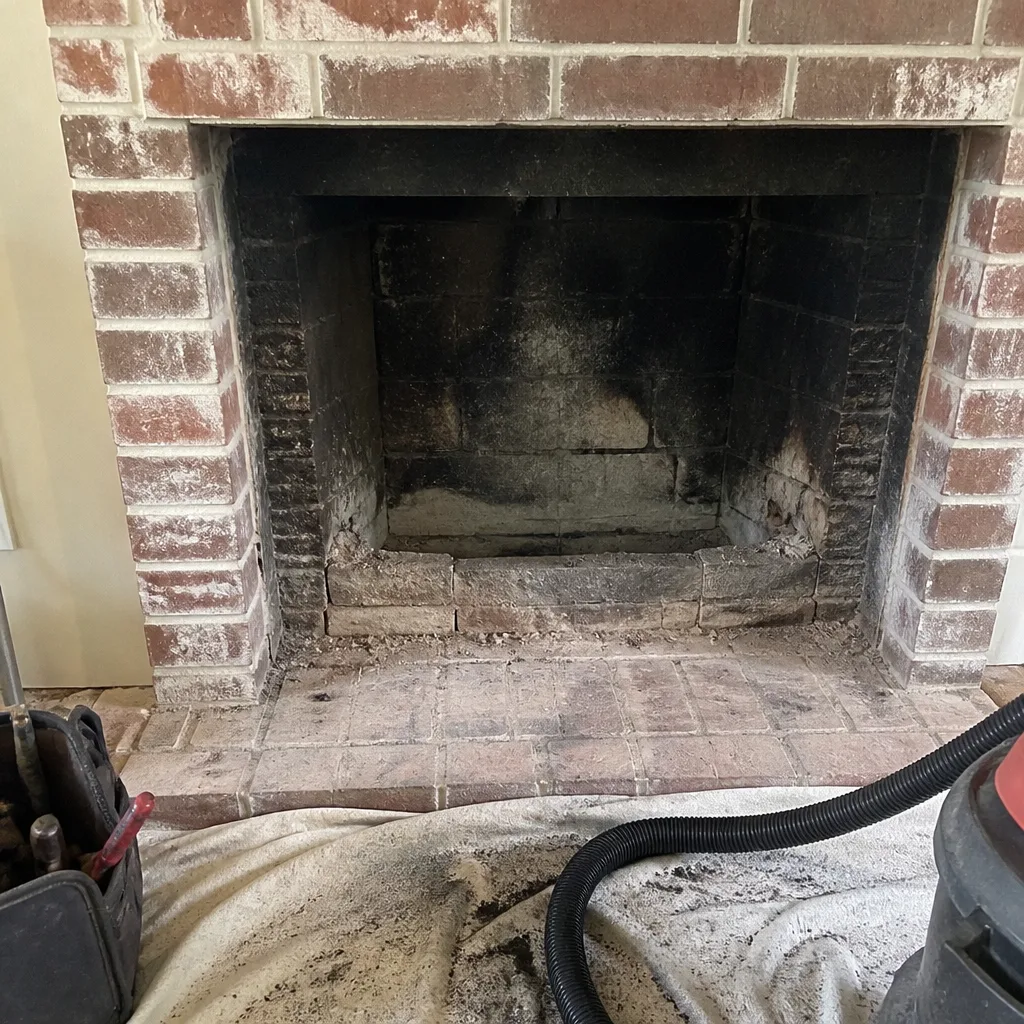
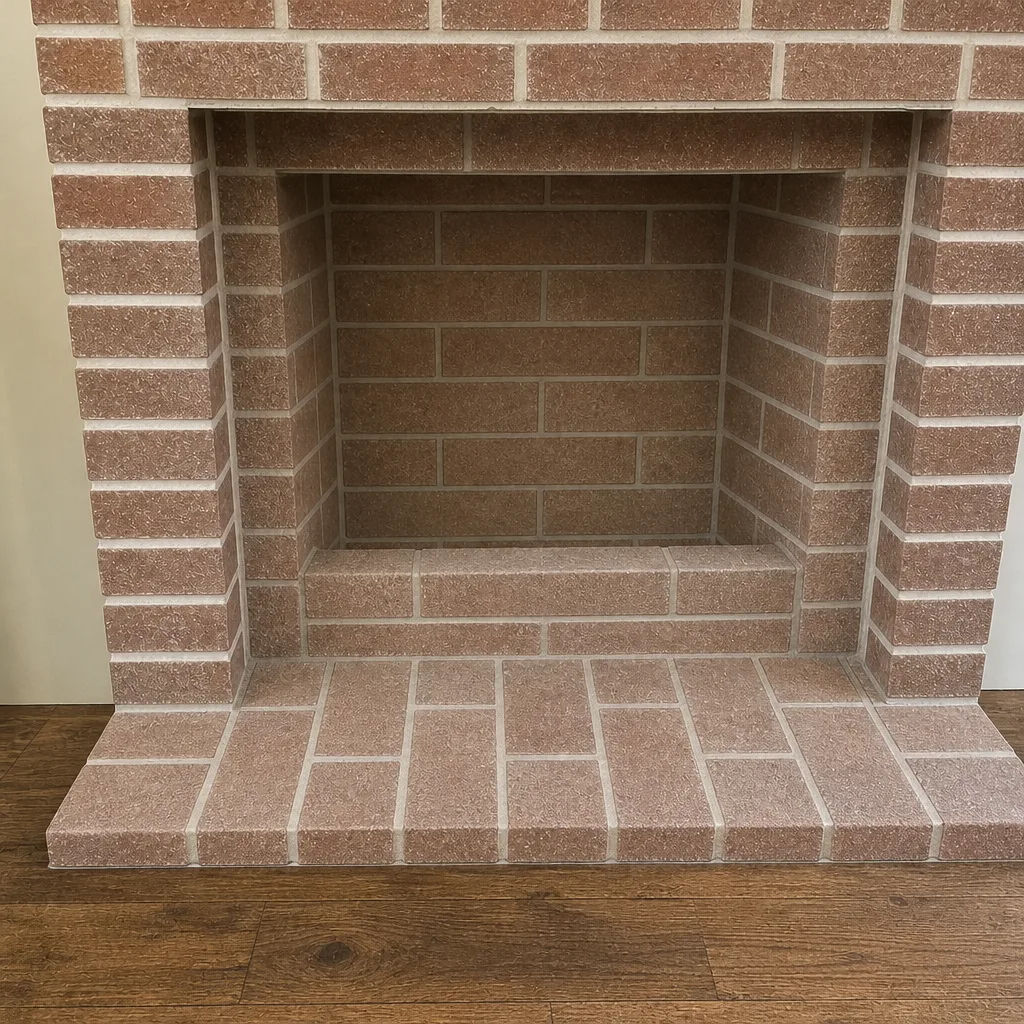
See the difference
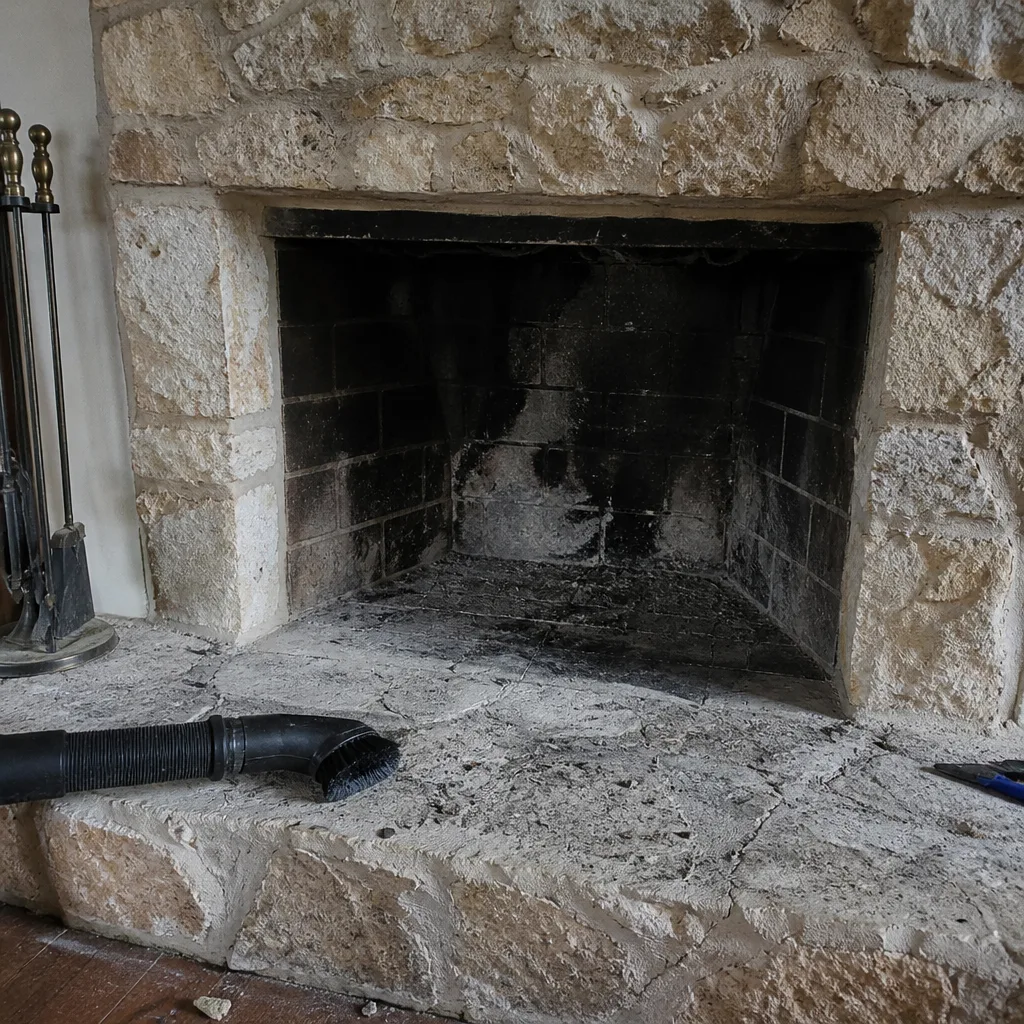 Before
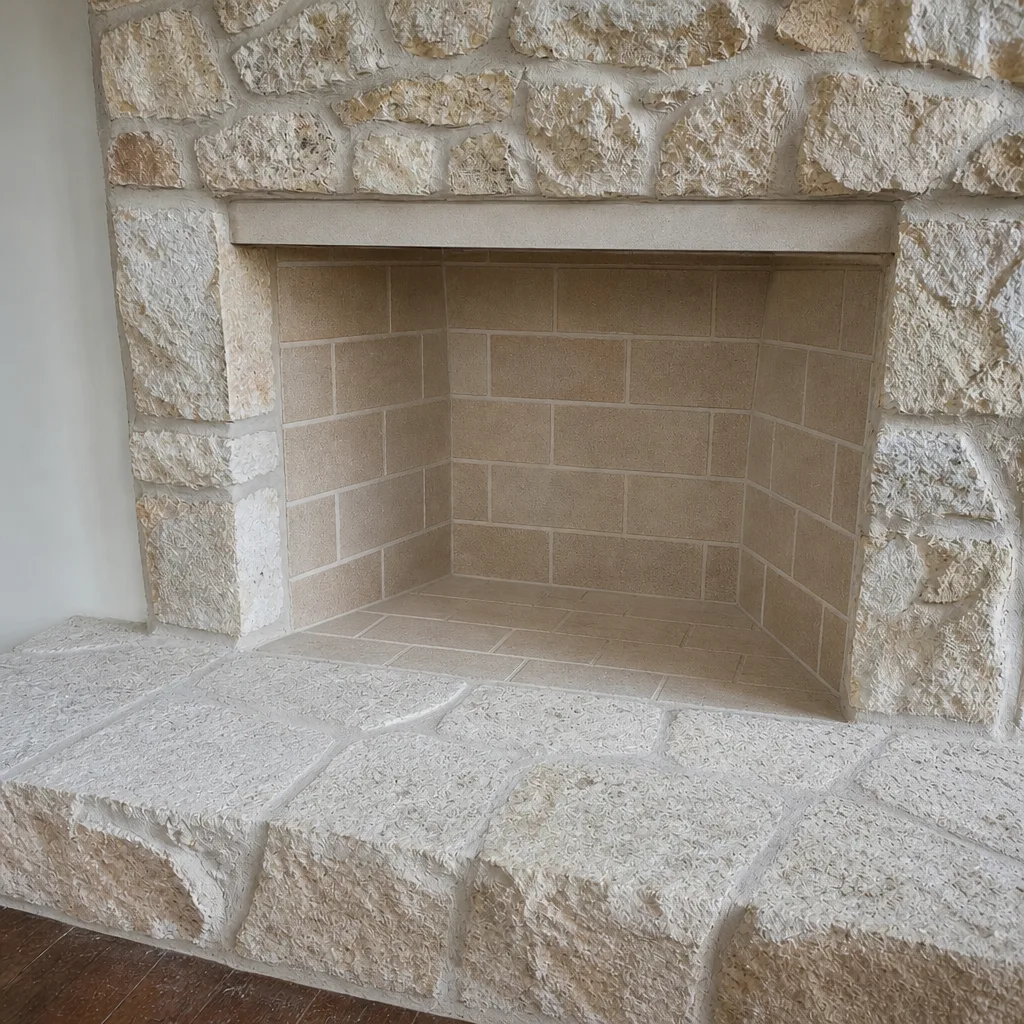 After
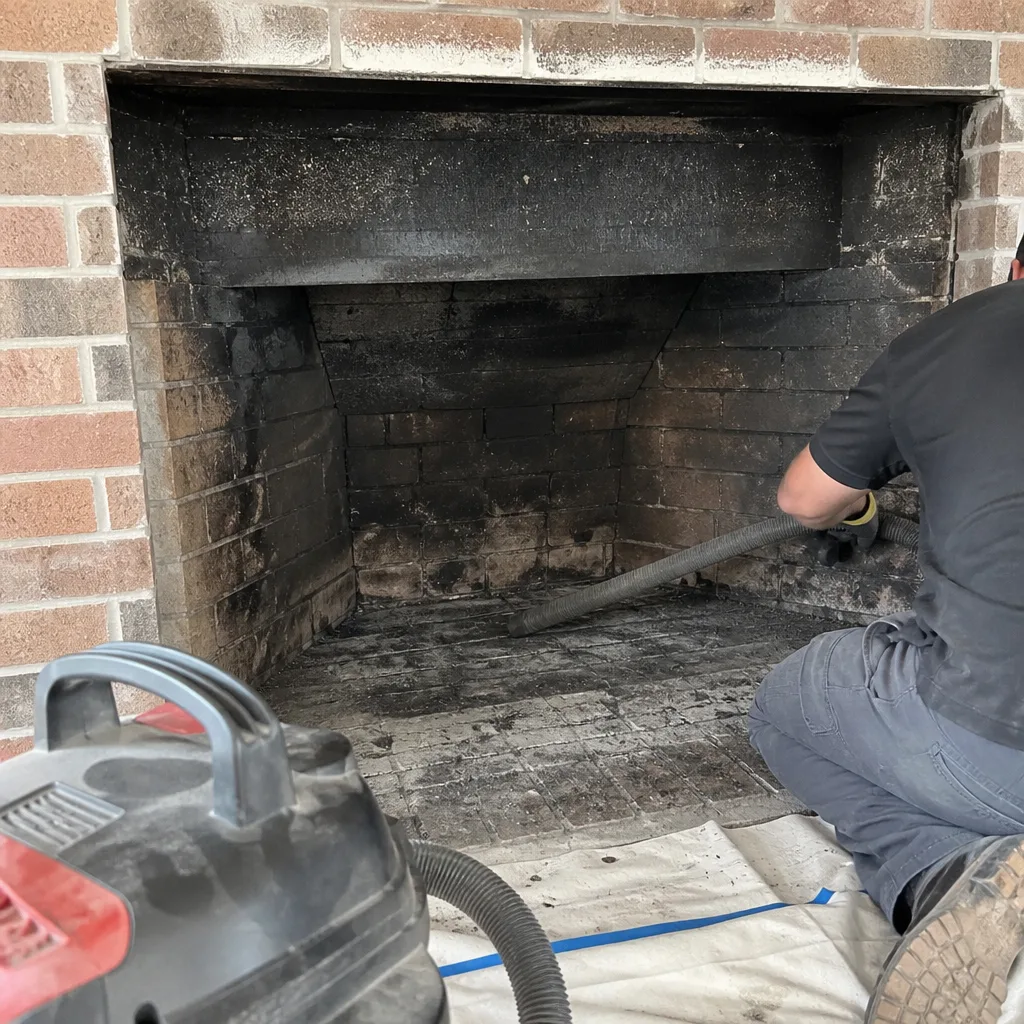 Before
 After
 Before
 After
When to Call a Professional
Call a chimney professional any time you notice smoke rolling back into the room, a persistent creosote smell even when the fireplace isn’t in use, visible damage to the firebox or chimney exterior, or a flue that hasn’t been inspected in over a year. Call immediately if you have a gas appliance and your carbon monoxide alarm sounds, or if you smell gas near the chimney. And call if a quote from another company included a repair recommendation with no evidence to back it – a second opinion is worth having before you spend money on relining or resurfacing.
Allen Chimney Cleaning offers free estimates in Allen. We work with DuraFlex and HeatShield on liner and resurfacing work, and our estimates are written, evidence-backed, and priced per job. Call (855) 965-4730 to book a sweep or an inspection.
Frequently Asked Questions
A routine single-flue chimney sweep in Allen typically costs $180 to $320 in 2026, including a Level 1 inspection, vacuum containment and a written report. Heavier jobs with rotary cleaning or a second flue run higher. Call (855) 965-4730 for an exact quote – estimates are free.
Most Allen homeowners who burn regularly should get a sweep once a year, plus an annual visual inspection even in light-use years. The cleaning threshold is roughly 1/8 inch of creosote on the flue walls. If it’s been more than a year since your last inspection, call (855) 965-4730 to book one.
Not always, and any recommendation for relining should come with camera evidence of cracked tiles, gaps or a liner that’s undersized for your appliance. A HeatShield resurfacing can sometimes renew a liner that doesn’t need full replacement. Ask to see the images before you authorize anything. Call (855) 965-4730 if you’d like a second look – estimates are free.
Creosote builds up on the flue walls, and once it reaches a heavy glaze stage it can ignite, which is how most chimney fires start. A blocked or damaged gas flue carries a carbon monoxide risk instead. Neither outcome is common, but both are the reason annual inspection exists. Call (855) 965-4730 to schedule one.
Usually not, because the $79 typically excludes the written inspection report and vacuum containment, and cleans only accessible portions of the flue. You end up paying for a second sweep later to get the information you needed the first time. Call (855) 965-4730 for a quote that shows what’s actually included.
Often yes, by about $25 to $75 in access charges, because reaching the flue from the roof takes longer on a two-story home. That’s an access cost, not a markup, and it should appear as a line item on the written estimate. Call (855) 965-4730 and we’ll tell you before the appointment whether yours qualifies.
The Bottom Line
Chimney cleaning prices in Allen aren’t mysterious once you know what to look for. A fair single-flue cleaning runs $180 to $320 and includes a Level 1 inspection, vacuum containment and a written report. Anything under $100 is almost certainly missing one of those three. Repairs like caps, crowns, dampers and relining are separate, quoted from evidence, and should never be a surprise at the door. When you compare quotes, compare the line items, not the totals. For a written estimate on a sweep, an inspection or a repair recommendation you can verify, call (855) 965-4730. We answer 24/7. Fast dispatch from 7am to 7pm, Sunday through Friday.
Written by the team at Allen Chimney Cleaning.