
Last updated November 15, 2026
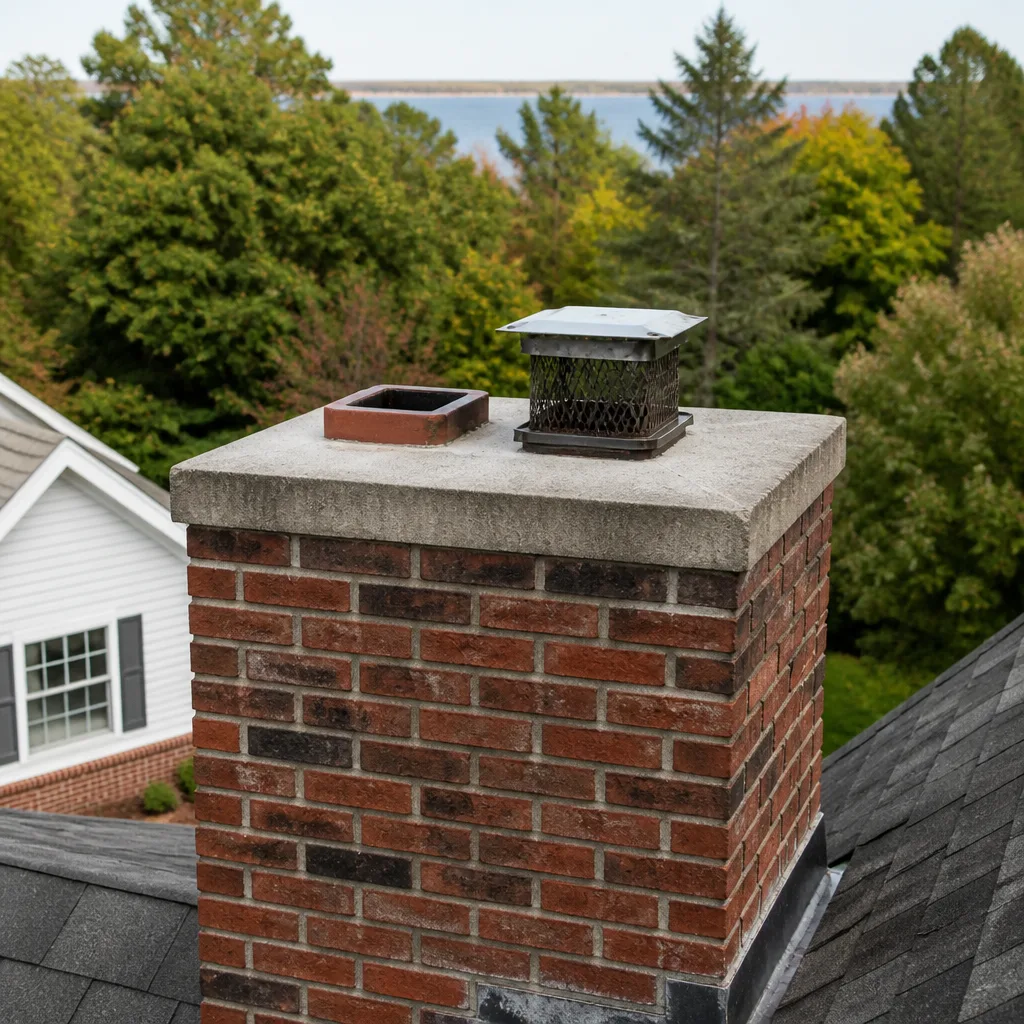 Sweep & inspection
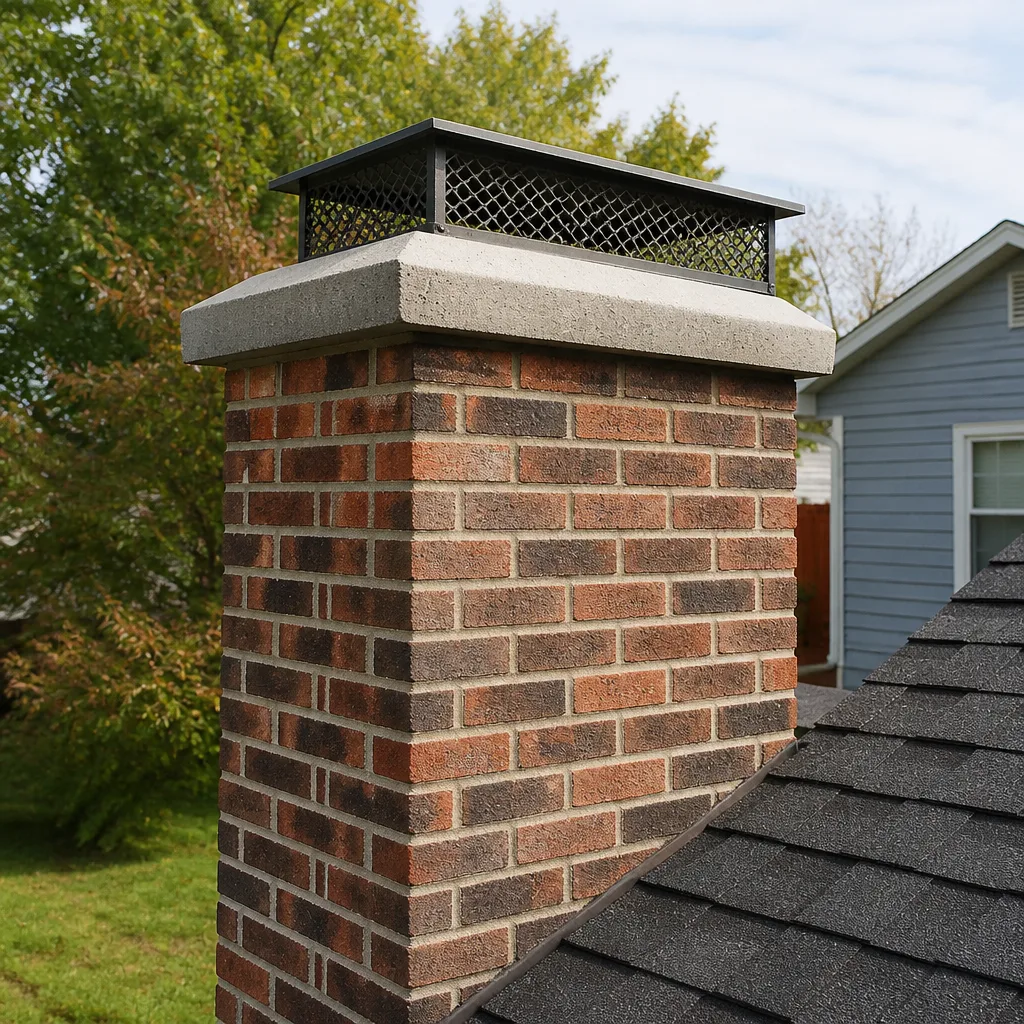 Caps & crowns
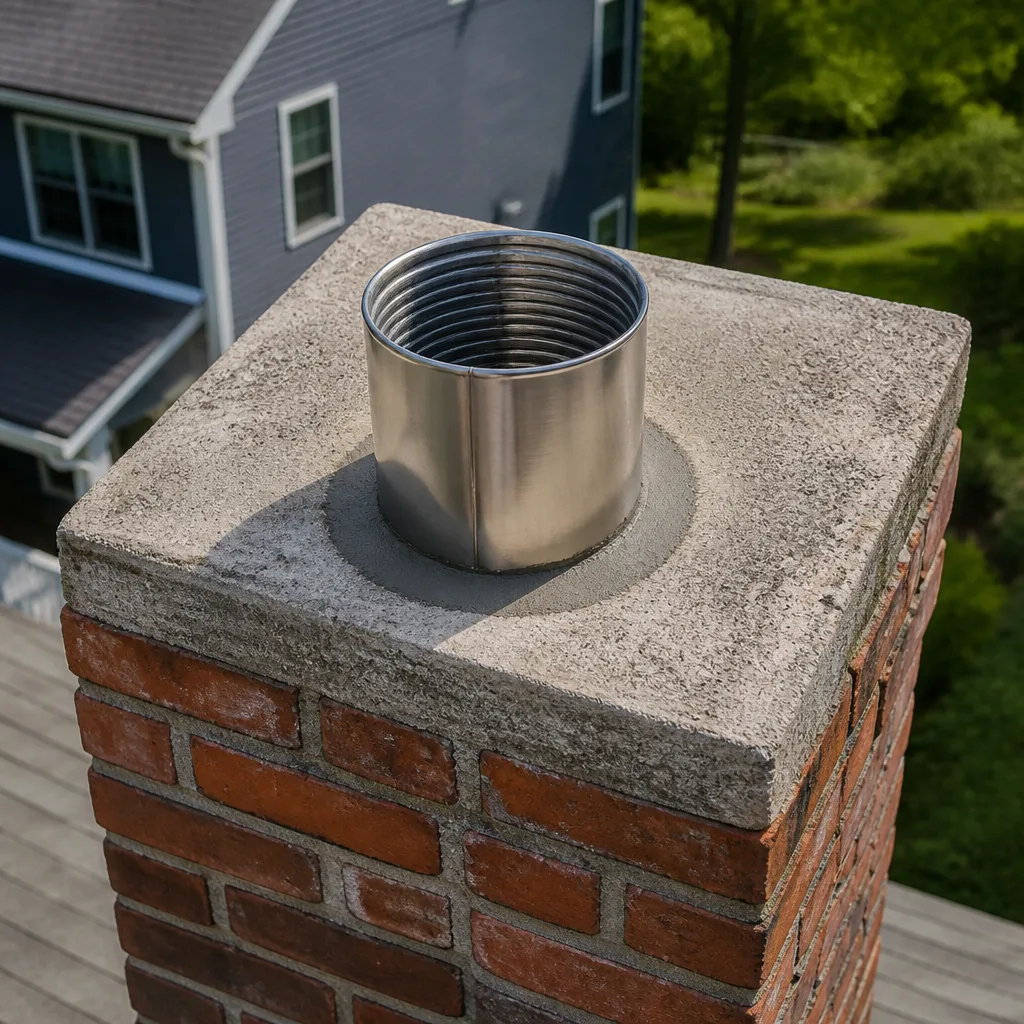 Flue relining
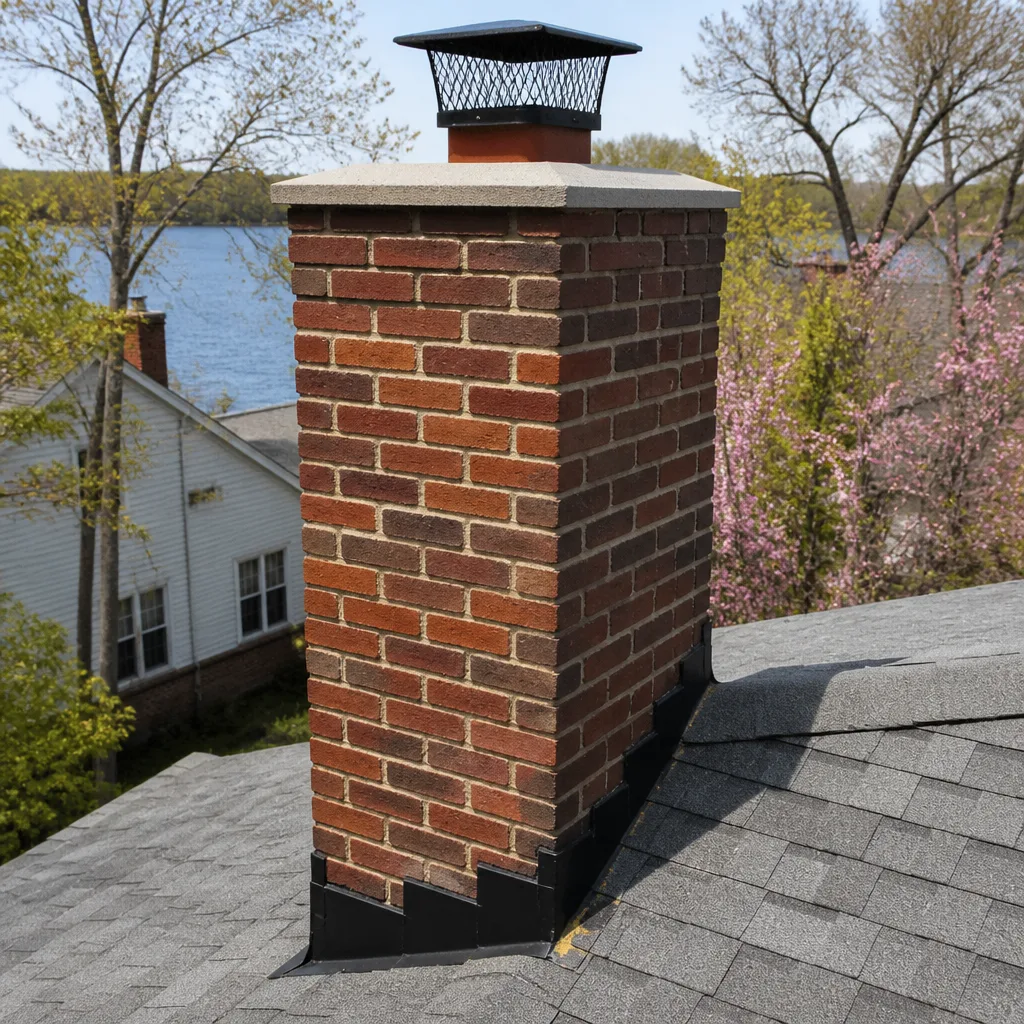 Masonry repair
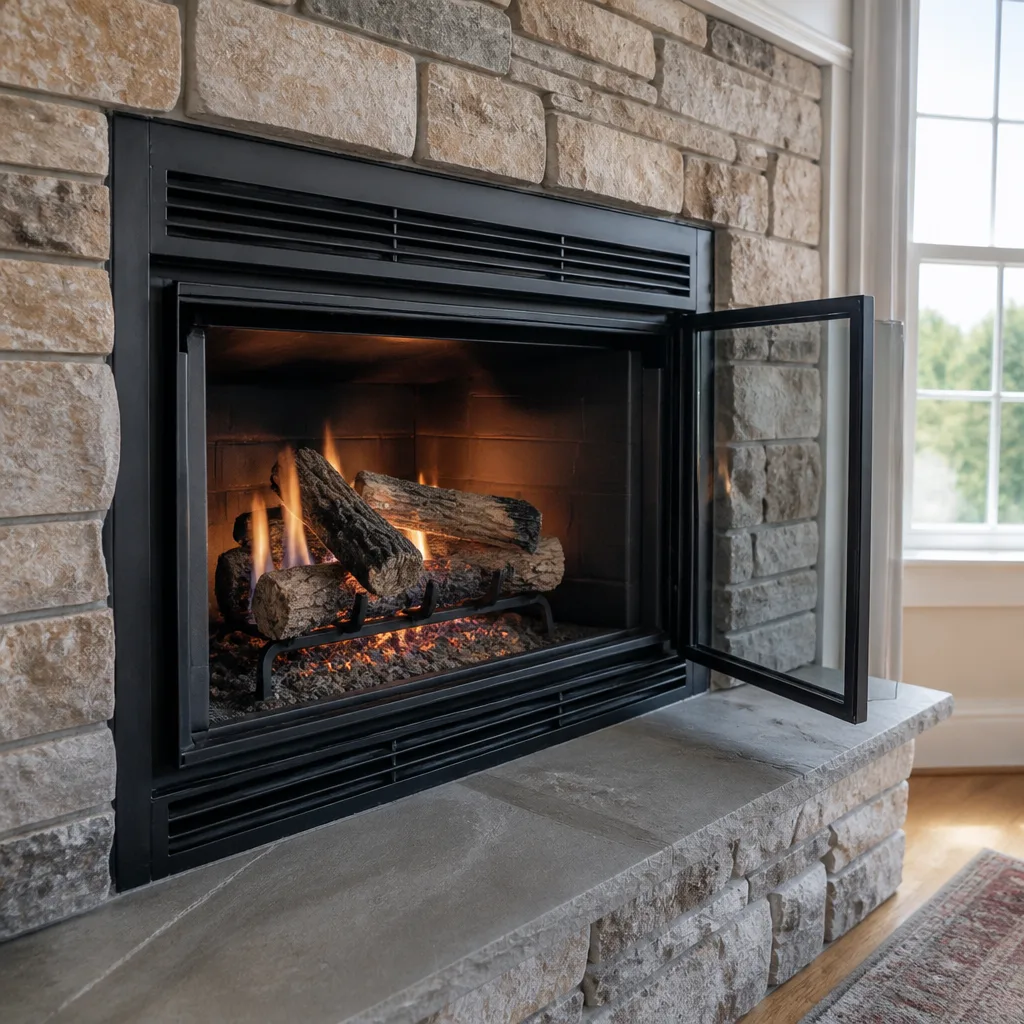 Gas fireplace service
Level 1 sweep and inspection to the NFPA 211 annual standard - flue, crown, cap, and flashing checked and photographed
Chimney sweep logs do not sweep chimneys. They loosen some creosote - which then falls where a brush and vacuum still have to collect it.
Chimney Cleaning Warning Signs: An Allen Homeowner’s Reference Guide
A smoky smell in your living room on a windy day isn’t always a chimney cleaning problem. It’s often a draft pressure problem, caused by a home that’s sealed too tightly, and sweeping the flue won’t fix it. Knowing the difference saves you a wasted service call and points you toward the real fix. Most chimney trouble announces itself early, through a stain, a smell, a sound, or a change in how the fireplace behaves. The trouble is that most homeowners don’t know what they’re looking at. This guide walks through each warning sign, explains the cause behind it, and tells you when a cleaning is enough and when you need a specialist. It’s written for Allen homeowners who want to understand their own flue before they pick up the phone.
Quick Answer
The main chimney cleaning warning signs are a strong creosote smell, dark staining on exterior brick, smoke rolling back into the room, a damper that won’t open freely, rust or mortar crumbs in the firebox, and odd sounds inside the flue. Any one of these means the chimney should be inspected before the next fire. If you also see white staining on the brick, spalling tile, or a rusted damper plate, the issue is structural and you need a repair specialist, not just a sweep.
Styles & brands we work with
- Sweep & inspection
- Caps & crowns
- Flue relining
- Masonry repair
- Gas fireplace service
Table of Contents
- What the smell tells you before you light a fire
- White staining versus black staining on exterior brick
- Why a draft gets worse after weatherstripping or new windows
- Reading creosote: Stage 1, Stage 2, and Stage 3
- What sounds inside a chimney actually mean
- Warning signs you need repair, not just cleaning
- What Allen’s climate and housing mean for your flue
- The signs of a healthy, safe burn
What the smell tells you before you light a fire
A cold fireplace that smells smoky or sour is sending you a message. The smell is creosote and soot that have built up on the flue walls, and it gets stronger on humid days, on windy days, and whenever the house pressure shifts and pulls air back down the chimney. A faint odor now and then is normal. A smell you notice every time you walk past the hearth is not.
Here’s what the smell is telling you. Creosote is the tar-like residue left by wood smoke, and it collects on the flue every time you burn. When the layer gets thick, it holds odor and it holds risk together. The same deposit that smells is the fuel that can catch fire inside the flue. A strong, persistent smell is one of the earliest and most reliable signs that a sweep is due.
But not every smell is a cleaning problem. If the smell only appears when the furnace runs, or when you turn on a kitchen fan or a bathroom vent, you’re smelling backdraft, not buildup. This is where it helps to have a specialist who can tell the two apart in a single visit. Our sweep-inspect-repair cycle is built for exactly this, and it’s why we treat the assessment as a diagnostic step rather than a pitch. A dedicated chimney sweep should leave you with a clear answer about what you’re smelling and what to do next.
Another smell worth naming: a kerosene or solvent odor from a gas fireplace or gas log set can point to a partially blocked vent or an improperly seated log set. That’s a carbon monoxide concern, so it’s not a “wait until spring” problem. Shut the appliance off and get it looked at.
White staining versus black staining on exterior brick
Look at the outside of your chimney stack, not just the inside. The color of the staining is one of the most misread signs in the trade, and getting it right tells you which system has failed. White staining and black staining come from two completely different problems, and they need two completely different fixes.
White staining (efflorescence)
Efflorescence is a powdery white residue that appears when water moves through masonry and evaporates on the surface, leaving mineral salts behind. On a chimney, it means water is getting into the brick or the crown and finding its way out. You might see it on the stack, on a band of brick below the roofline, or on the chimney crown itself. Water intrusion isn’t a cleaning issue at all. Left alone it can lead to spalling (brick faces flaking off), a cracked crown, and eventually damage to the flue. That’s repair territory, and it often means resurfacing the flue with a proven lining system rather than a sweep.
Black staining
Black staining means combustion gas is escaping through the brick instead of going up the flue. That happens when the flue has a crack, a gap in the tile joints, or a missing piece of liner. The escaping gases carry soot and tar with them, and they stain the masonry as they pass through it. Black staining is a venting failure, and it’s serious: it puts creosote and carbon monoxide where they shouldn’t be, inside the chimney structure itself. If the black stain is on the interior of a chase or on the face of brick around the flue, the flue needs repair before you light another fire.
Either color of stain is a sign that a sweep alone won’t solve it. In our experience, these are exactly the calls where the inspection matters more than the cleaning. The photos we take during the camera inspection show you the inside of the flue, so you can see what the staining is telling us.
Why a draft gets worse after weatherstripping or new windows
You finally replace the drafty windows, seal the door frames, and add weatherstripping, and suddenly your fireplace smokes. The immediate suspicion is a blocked flue. More often the real answer is a combustion air problem. You’ve made the house tighter, and the chimney can no longer pull the air it needs to burn clean and draft properly. It’s not a cleaning problem, and a sweep won’t fix it.
Here’s why. A chimney doesn’t push smoke up. It pulls air up through the flue because the flue is warmer than the outdoors, and the house lets makeup air leak in to replace what goes up. Seal the house too well and that makeup air has nowhere to come from. The fire starves, the draft gets weak, and smoke rolls back into the room. The fix is to give the fireplace a source of combustion air, or to correct the flue configuration so it can keep up with a tight house.
Signs of a combustion air problem, not a blockage:
- The fireplace smoked only after a weatherization upgrade.
- The problem shows up on windy days or when exhaust fans run.
- Opening a nearby window improves the draft right away.
- The flue looks clear on inspection but the draft still weakens.
This is a common call in Allen, where many homes have been through a round of energy-efficiency sealing in the last decade. The right response is a proper inspection, because if we don’t rule out a real blockage first, we’d be treating the wrong problem. Our inspection-first approach is designed to answer exactly that question before we recommend anything. And if the flue does turn out to need resurfacing, we work with trade-spec brands like HeatShield on the structural side.
Reading creosote: Stage 1, Stage 2, and Stage 3
When you open the damper and look up, you can get a rough read on the creosote layer without touching it. Creosote builds in three recognizable stages, and the stage tells you whether you’re looking at routine maintenance or a real hazard. A flashlight pointed up the flue is all you need.
Stage 1: fluffy and soot-like
Stage 1 creosote is soft, dark, and flaky. It rubs off on a brush easily and looks like soot. You’ll find it on a chimney that gets swept on a normal schedule and burns reasonably dry wood. A standard sweep clears it. If you see only Stage 1 and nothing else, you’re probably due for routine cleaning, not anything structural.
Stage 2: the hard crust
Stage 2 creosote is a dense, black, crusty layer that has baked onto the flue walls. It doesn’t brush off easily. You might see it as a hard glossy patch or a crust that looks like a dry, brittle lacquer. Stage 2 forms when a chimney goes too long between sweeps or when the wood being burned is too wet. It takes a purpose-built sweep and the right technique to remove, and it’s the stage where we start paying close attention, because Stage 2 deposits are what feed chimney fires.
Stage 3: the tar glaze
Stage 3 is a shiny, hardened, tar-like glaze, often puddled or dripping-looking, and it can smell like a road tar or a solvent. It’s a serious fire hazard and it’s harder to remove than either earlier stage. A normal sweep may not be enough to deal with it cleanly, and the flue itself often needs a closer look. Stage 3 is one of the strongest reasons to get a professional in rather than guessing.
One note here on why stage matters: the same smoldering firewood that produces Stage 2 and 3 creosote is also a carbon monoxide concern when a flue gets restricted. So this isn’t just about how clean the flue looks. Get an honest read from a chimney specialist who works on nothing but chimneys, and you’ll know exactly where your flue sits on that scale. Professional-grade material and a proper camera report are what make that read reliable.
What sounds inside a chimney actually mean
Chimneys are not silent. If you hear something in your flue, the sound itself is a clue, and it usually falls into one of three categories. The trick is to tell which one before you panic or before you assume it’s nothing.
- A quiet, dry tapping or shifting sound is usually settling. Masonry and liner components can move slightly as temperatures rise and fall. It’s the least concerning of the three, but if it’s accompanied by crumbs in the firebox, that’s different.
- A scratching, rustling, or flapping sound points to animal activity. Birds, squirrels, and raccoons get into flues through an uncapped or damaged opening. You’ll often notice it at dawn or dusk, and you may see bits of nesting material in the firebox or on the smoke shelf. A cap and a sweep clear the nest, but animals inside a flue can leave debris that needs professional removal.
- A rattle, a rough scrape, or a metallic sound at the damper can mean a liner component has come loose or shifted. That’s a repair inspection, not a cleaning job.
You can’t safely open a warm flue and reach up inside it to investigate. So the practical move with any sound is a chimney inspection. Our technicians can see the flue properly and tell you what’s making the noise. If it turns out a liner has moved or deteriorated, we handle the relining in the same visit rather than handing you off to another company. That’s the difference between a sweep-only provider and a full-cycle chimney specialist; the sweep, the inspection, and the repair all get handled by the same company.
Warning signs you need repair, not just cleaning
Some warning signs are cleaning problems, and some are structural ones. The distinction matters because a sweep can’t fix a spalling tile, a rusted damper, or mortar that’s flaking into the firebox. When you see these signs, you need a repair contractor on-site. A cleaning-only crew will get the soot off and leave the real problem in place.
Signs you need a repair visit:
- Spalling flue tile: pieces of the tile liner flaking off inside the flue. That’s a sign of moisture and thermal cycling that has damaged the liner, and it puts a gap where combustion gas can escape.
- A rusted damper plate: rust on the damper means moisture has been sitting in the firebox, often because of a chimney cap or crown problem above it. A damper that won’t seal properly is a control problem, not just a cleaning one.
- Mortar fallout in the firebox: soft, crumbling mortar joints or grit piling up on the firebox floor means the masonry is breaking down. You can’t sweep that away; it needs to be rebuilt or resurfaced.
- Loose or missing brickwork on the stack or firebox: movement in the masonry, or brick that’s come loose, is a structural sign.
- A cracked chimney crown: it lets water in, which causes the white staining and the spalling above.
- Black staining, as covered earlier: combustion gas is escaping the flue, so the liner has failed somewhere.
When the inspection turns up damage like this, the fix isn’t a generic product. We work with trade-spec brands like HeatShield for resurfacing a deteriorated flue, and DuraFlex or Olympia Chimney liner systems where a full reline is needed. Those are the same professional-grade materials specified by certified chimney engineers, not the big-box substitutes that pass inspection on paper. That matters for one reason: the flue has to keep combustion gases moving out of your house for years, in this climate, without failing again. A chimney repair done with the right material is what gets you there, and it’s why we offer the full cycle under one roof so you don’t have to call a second contractor after a problem is found.
What Allen’s climate and housing mean for your flue
Allen’s weather shapes what your chimney sees. Winters here are mild, which changes the way chimneys accumulate creosote and how the drafts behave compared with colder regions. Mild winters also mean many homes burn less frequently, in shorter bursts, and a fire that smolders and cools between short burns leaves more deposit than a long, consistent burn would. That pattern is worth knowing because it means an Allen chimney can collect creosote even when the fireplace only gets used a handful of times each season.
Summers here are hot and humid, which matters for the outside of the chimney. Moisture in warm, humid air finds its way into masonry cracks and into a cracked crown, and it fuels the white staining and spalling we covered earlier. That’s why the exterior of the stack is worth checking once a year, not just the inside of the flue. Many Allen homes also have a fireplace as one system that shares pressure with a tightly sealed house, which explains the combustion air issue on this list.
There’s a code angle too. Most cities require a permit for structural chimney repair like a reline or masonry rebuild, so ask your city’s building department before any repair work begins. Getting that straight up front keeps the job clean and the work documented. If you’re unsure whether your job needs one, we’ll tell you honestly what we see and what the local rules call for.
Our technicians have up to 12 years of experience, and in our experience much of the work in Allen comes down to the same handful of issues: creosote that’s built up faster than expected, a crown that’s cracked from humid summers, or a draft problem caused by a tight house. Recognizing those patterns early is what this guide is really about. For help with any of it, a local chimney team is the place to start.
The signs of a healthy, safe burn
It helps to know what “good” looks like, so you can spot the difference when your chimney drifts off that baseline. A healthy chimney and a clean burn produce a few predictable signals. If you’re seeing all of the following, you’re in good shape and a routine annual sweep is likely all you need.
- Smoke goes up the flue, not into the room. No rollback, no smoke on the ceiling near the fireplace.
- The fire lights quickly and burns hot. A weak, lazy fire with a lot of smoke can signal a draft problem or wet wood.
- No strong smell past the hearth. A faint wood-smoke scent near the fireplace is normal; a persistent, sour smell reaching into the living room is not.
- Clean brick and clear glass. A buildup of soot on the firebox walls and the door glass suggests a draft or wet-wood issue.
- No stains or spalling outside. The stack, crown, and brick look consistent in color, with no white powder and no flaking.
- No sounds in the flue. Quiet is good.
- No rust or crumbs inside. A clean, dry firebox with firm mortar is what you want to see.
If any of these go wrong, the response is not to burn through it and hope. It’s to book an inspection that tells you which of the signs on this list applies. That’s where a camera inspection and a photo report come in. The image shows you the flue honestly, so you can trust the recommendation and skip the ones you don’t need. Nothing we recommend comes without evidence you can see for yourself, and if the work can safely wait, we’ll say so.
Common Mistakes to Avoid
- Assuming every smoky smell means a cleaning is due. A draft problem after weatherstripping looks like buildup but isn’t, and a sweep won’t fix it. Rule out combustion air and pressure issues before assuming the flue is foul.
- Reading white staining as soot. White powder on exterior brick is efflorescence, which means water. Treating it as a cleaning job leaves the water intrusion to do more damage.
- Burning wet or unseasoned wood and expecting to burn clean. Wet wood creates more creosote and more smoke, which pushes you toward Stage 2 and 3 deposits faster. Dry, well-seasoned wood burns cleaner and produces less deposit.
- Waiting for symptoms to get serious before sweeping. A faint smell and a thin crust are easier and cheaper to deal with than a Stage 3 glaze or a cracked flue. Early signs are a gift.
- Calling a general handyman for a structural flue issue. Spalling tile, a failed liner, or mortar breakdown in the firebox aren’t generalist work. A chimney specialist with trade-spec materials is the right call.
- Ignoring the outside of the chimney. Checking only the flue and skipping the stack, crown, and brick misses the water-intrusion signs that show up outside.
- Sealing the house and lighting a fire with no plan for combustion air. A tight house and a fireplace fight each other. If your draft weakens after an energy upgrade, get the combustion air question answered before your next burn.
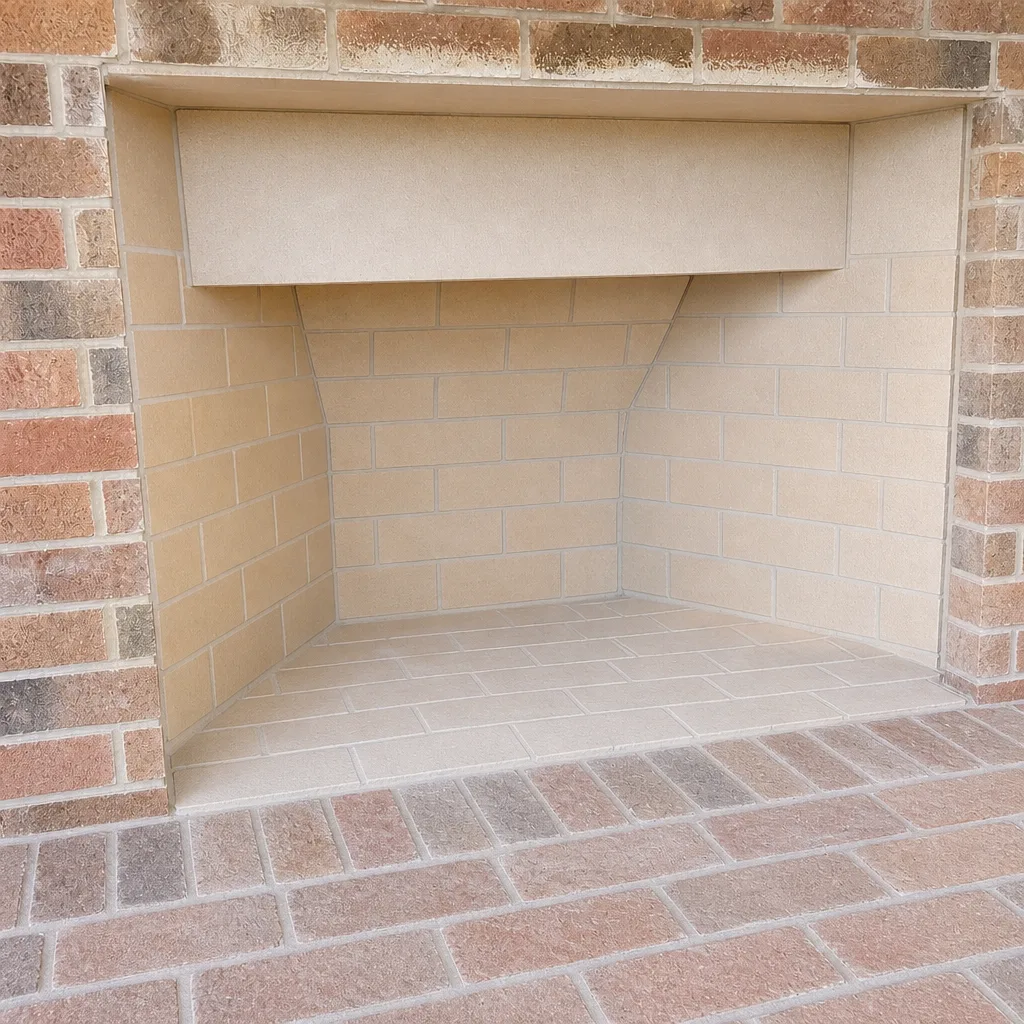
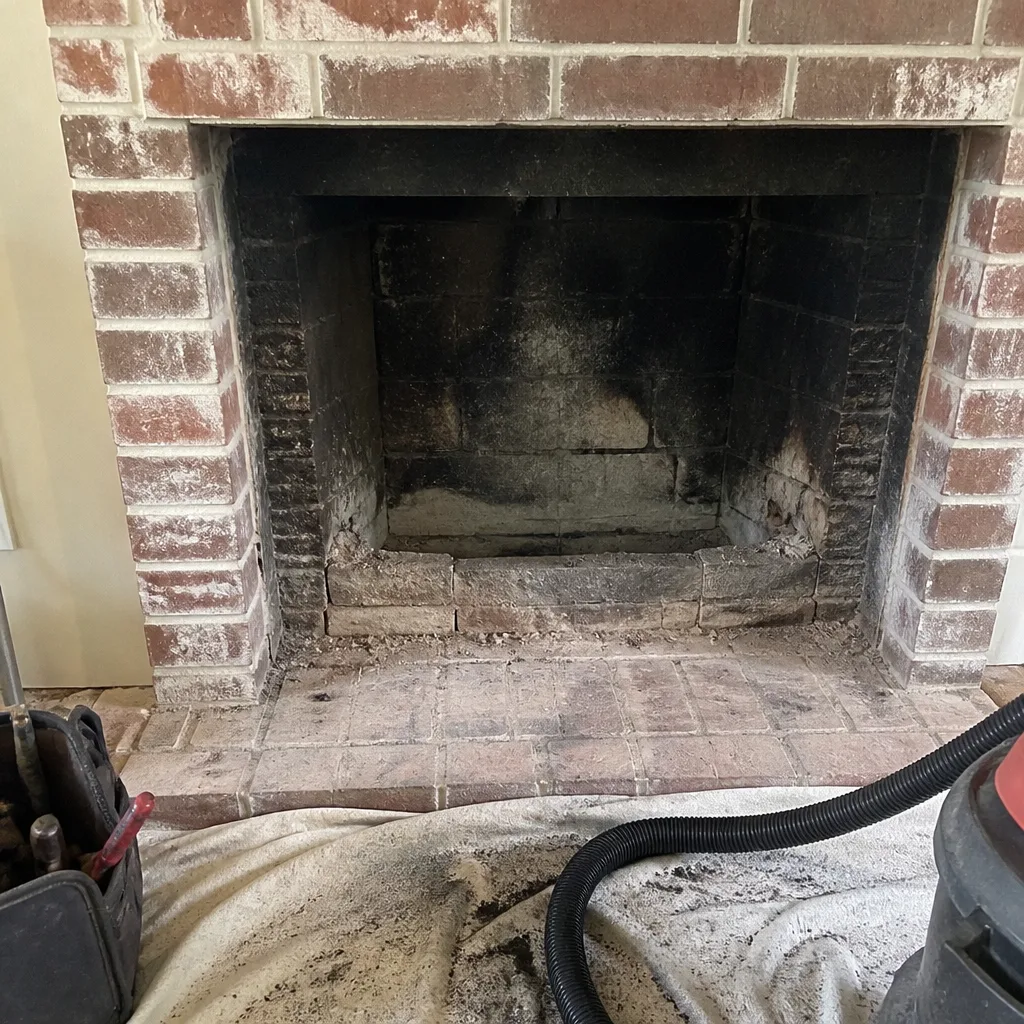
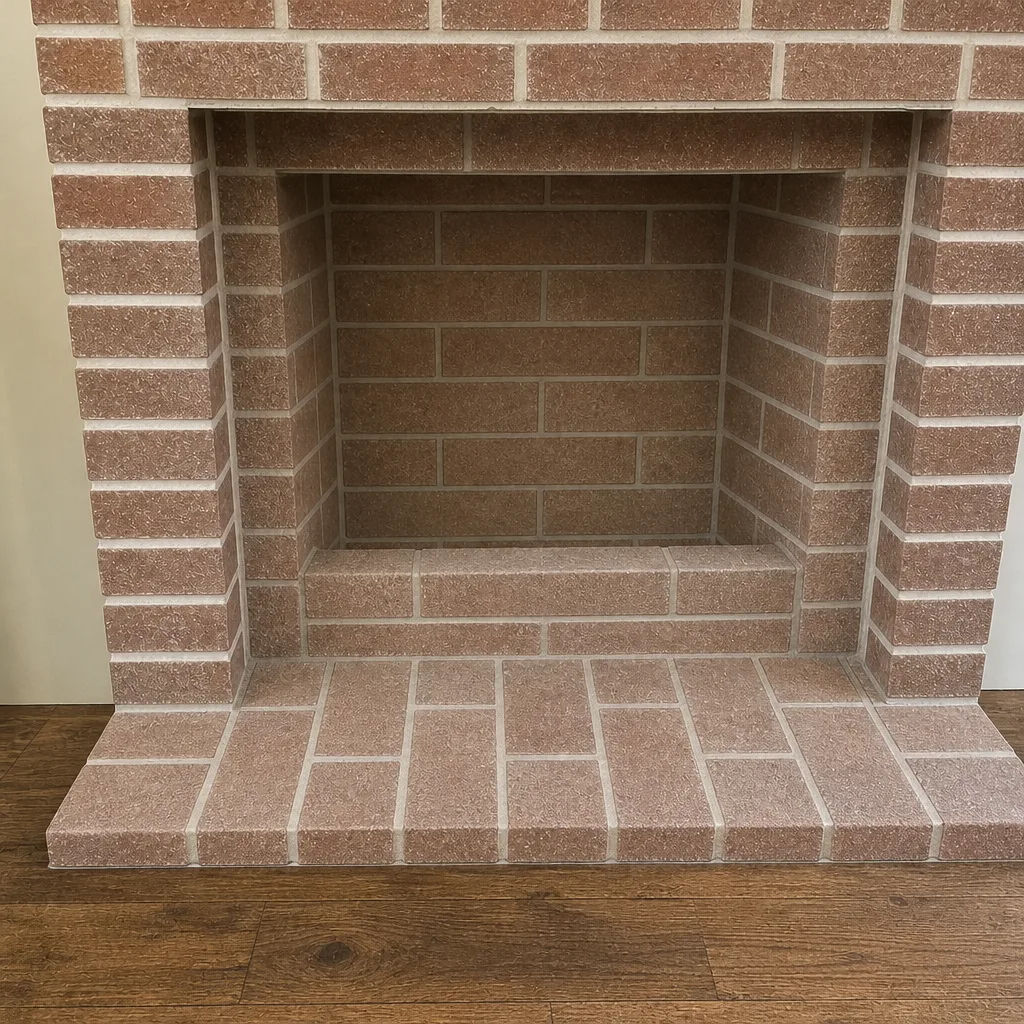
See the difference
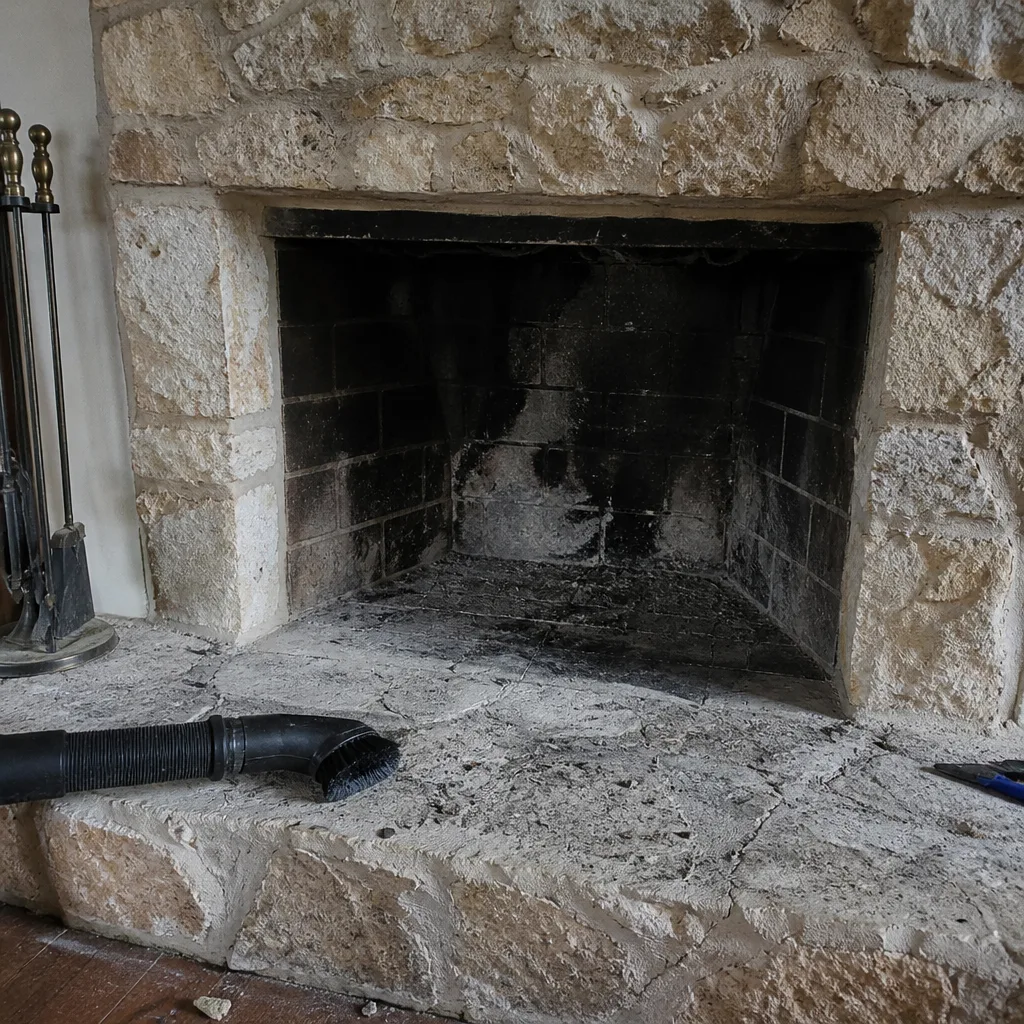 Before
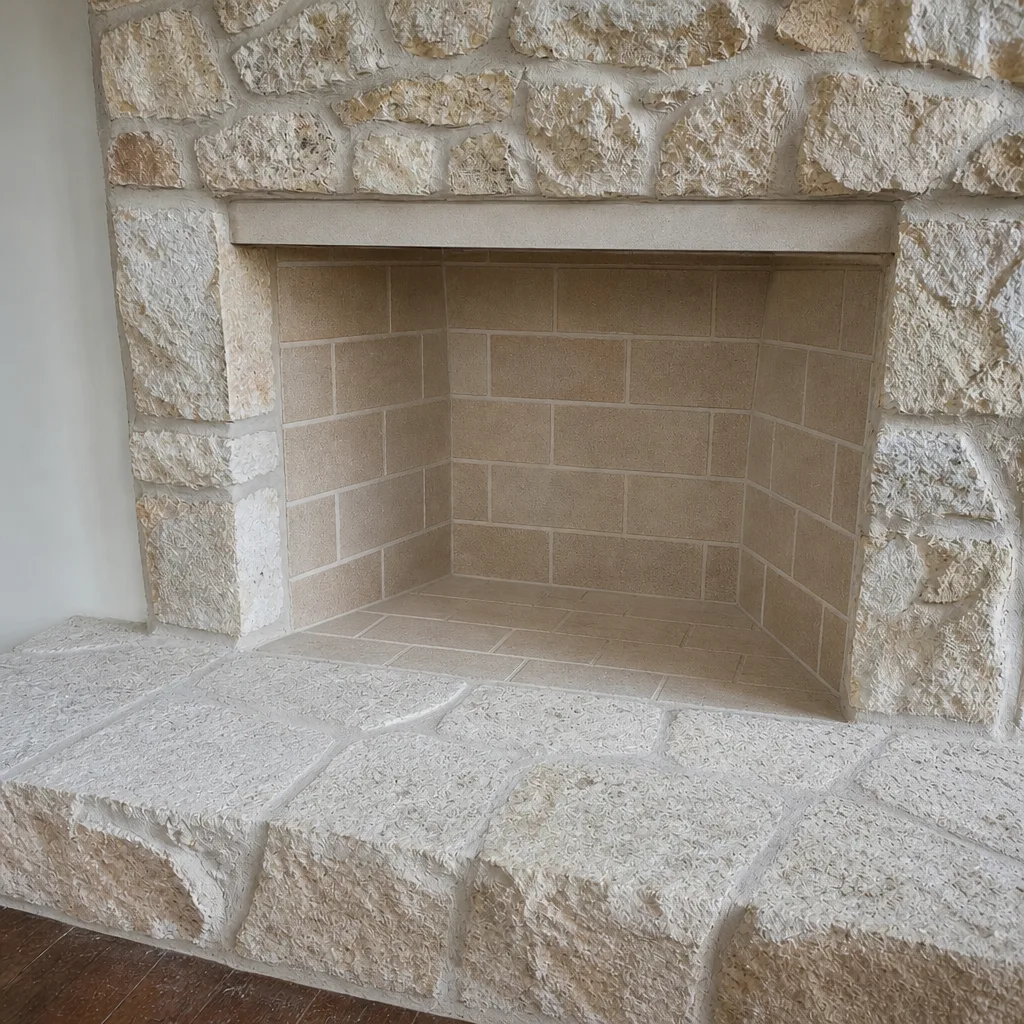 After
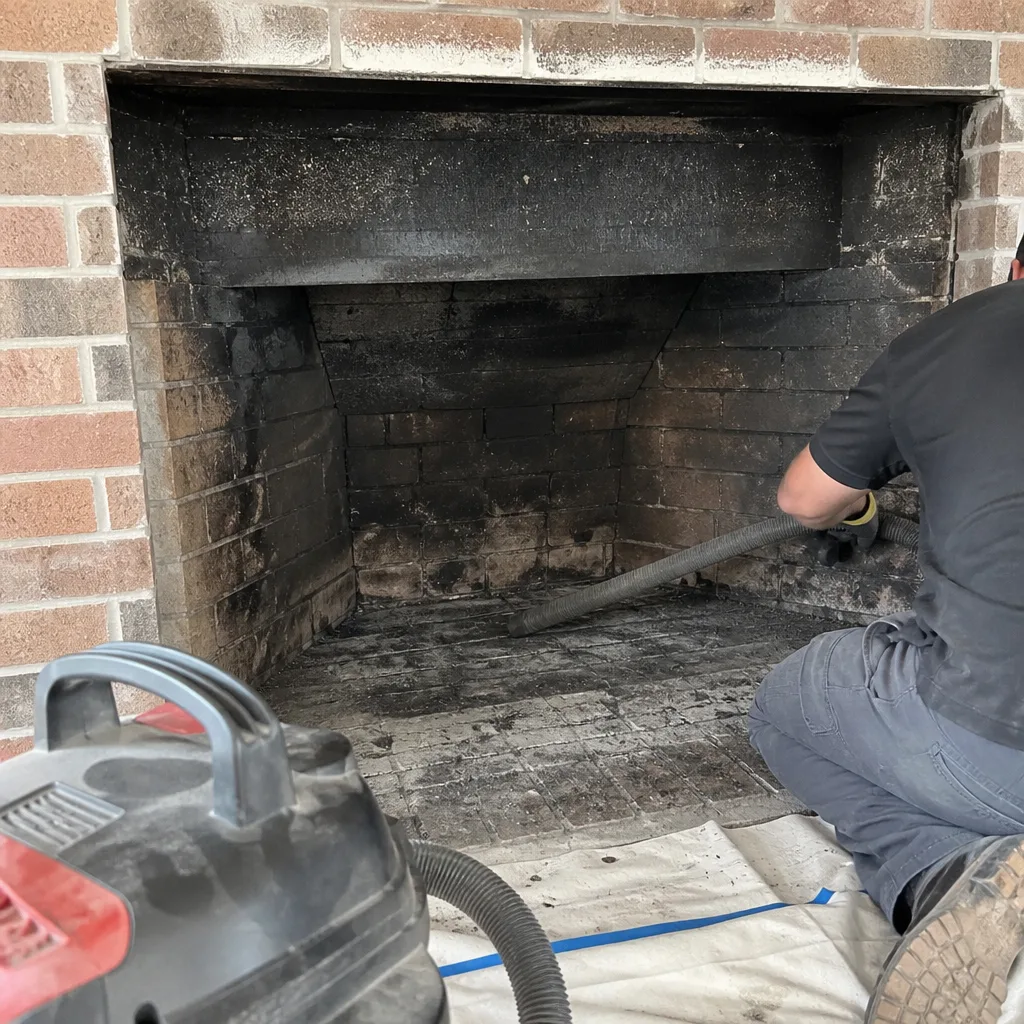 Before
 After
 Before
 After
When to Call a Professional
Call a professional if you see any black or white staining on the chimney, if smoke rolls into the room, if you can smell creosote in the living room, if the draft weakened after a weatherization upgrade, or if you find spalling tile, a rusted damper plate, or mortar crumbs in the firebox. Those signs need an inspection, and most need a specialist who handles sweep, inspect, and repair in one visit. If you’re just due for your annual sweep and nothing looks or smells off, a routine cleaning is still worth booking before the next burning season.
Allen Chimney Cleaning offers free estimates in Allen. Call (855) 965-4730. We answer 24/7. Fast dispatch from 7am to 7pm, Sunday through Friday. For the full-cycle service that handles sweep, inspection, and repair together, start with a local chimney service that treats the flue as a diagnostic subject rather than a cleaning target. And if you’re ready to get your flue assessed, our team is here to help at Allen Chimney Cleaning.
Frequently Asked Questions
The most common warning signs in Allen are a persistent creosote smell, smoke rollback into the room, and dark staining on the exterior brick. A draft that weakens after new windows or weatherstripping is another common one, and it’s usually a combustion air problem rather than a dirty flue. Call (855) 965-4730 for an exact quote and a real inspection.
A cleaning problem shows up as smell, soot, and Stage 1 or 2 creosote on the flue walls, while a repair problem shows up as staining on the brick, spalling liner tile, or mortar crumbs in the firebox. If you see the second group, you need a repair specialist, not just a sweep. Call (855) 965-4730 to get an honest read before you spend on anything.
A chimney that smells only on windy days is usually losing the pressure balance that keeps smoke going up the flue, and that’s a draft and pressure issue rather than a buildup problem. Wind can push air down the flue and trigger a reverse draft, and a tightly sealed house makes it worse. Call (855) 965-4730 for a proper assessment.
Yes, but not as a cleaning concern. White powder on the brick is efflorescence, and it means water is moving through the masonry and evaporating on the surface. Left alone it can lead to spalling brick and a damaged crown, so get it inspected. Call (855) 965-4730 to have it looked at.
You can get a rough read by opening the damper and shining a light up the flue, but the honest answer is that a proper camera inspection gives you the real picture. Stage 1, 2, and 3 deposits look different, and the stage tells you whether you’re looking at routine maintenance or a hazard. Call (855) 965-4730 for a professional assessment.
If you skip the inspection and keep burning, creosote and structural problems both get worse quietly. A small Stage 2 deposit can grow into Stage 3, and a hairline gap in the flue can widen, putting combustion gases where they shouldn’t go. The safest move is to get it inspected before the next burning season. Call (855) 965-4730 for a free estimate on the work.
The Bottom Line
Most chimney problems show up early, through a smell, a stain, a sound, or a change in how the fire behaves. The job is to read those signals correctly and match them to the right fix. A strong creosote smell and soft soot usually mean a sweep. Black or white staining, spalling tile, a rusted damper, or mortar crumbs in the firebox mean repair, and repair is a specialist’s job. A draft that weakens after weatherstripping is a combustion air problem that a sweep can’t solve. When in doubt, an honest inspection with photos gives you the answer you can trust, and it tells you what to do without upsells. If the work can safely wait, you should hear that too. Then book the sweep before the next burning season, because the best time to catch all of this is before it becomes serious.
Call (855) 965-4730 for a free estimate. We answer 24/7. Fast dispatch from 7am to 7pm, Sunday through Friday. Our technicians have up to 12 years of experience, and we’re chimney specialists, not generalists.
Written by the team at Allen Chimney Cleaning.