
Last updated November 16, 2026
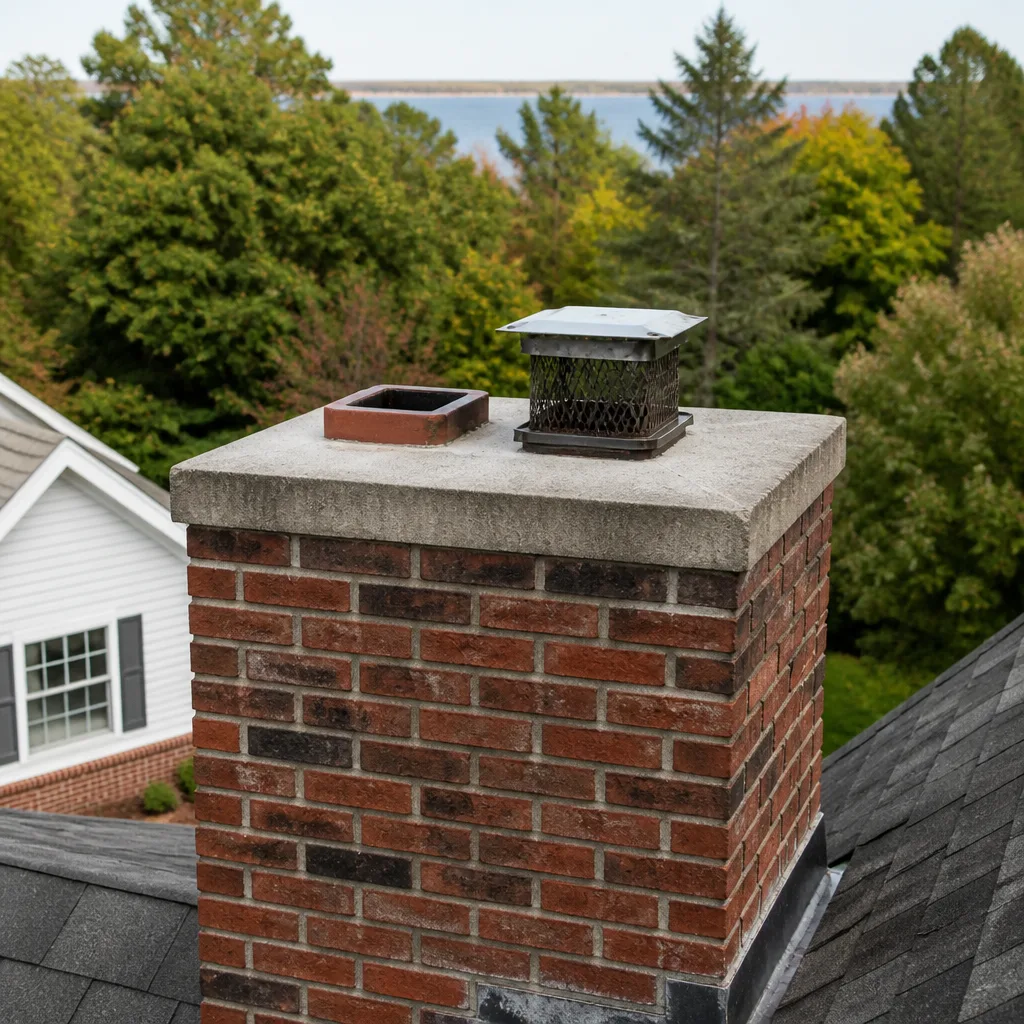 Sweep & inspection
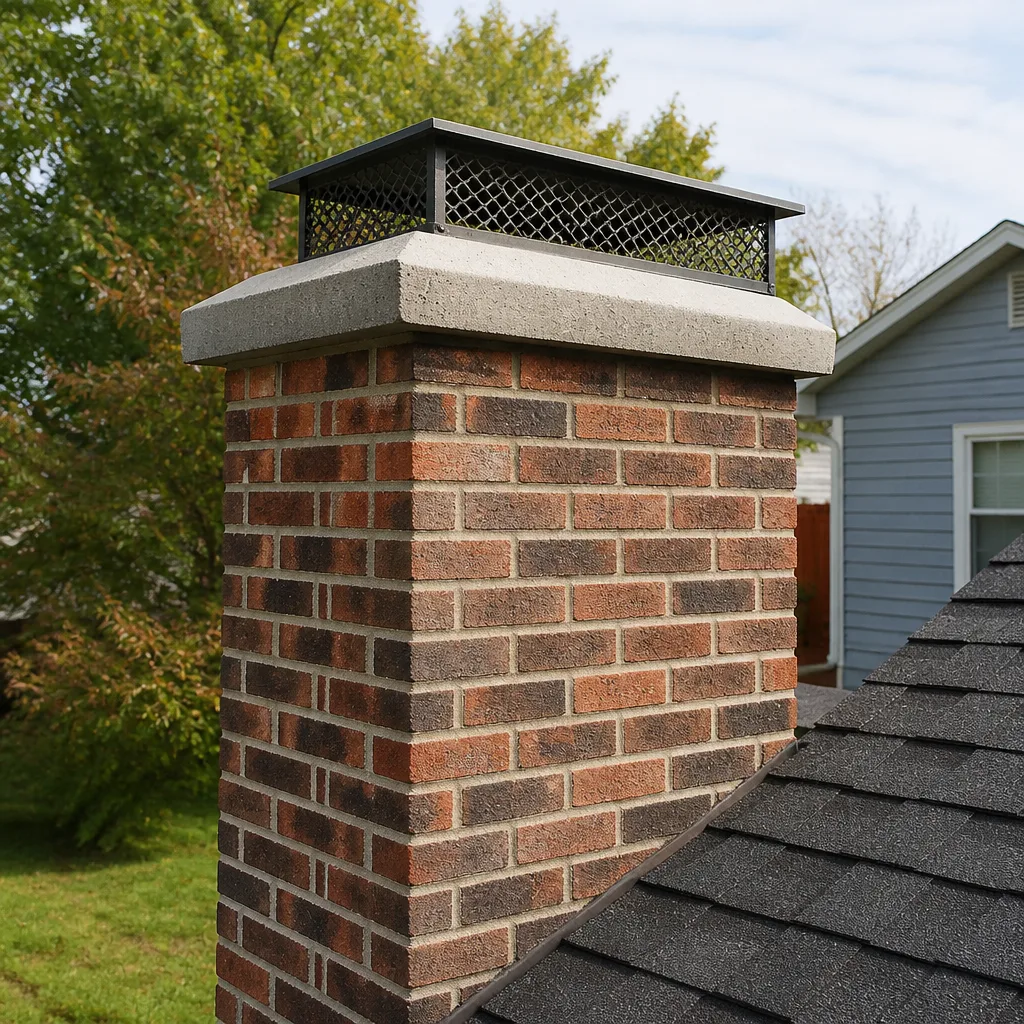 Caps & crowns
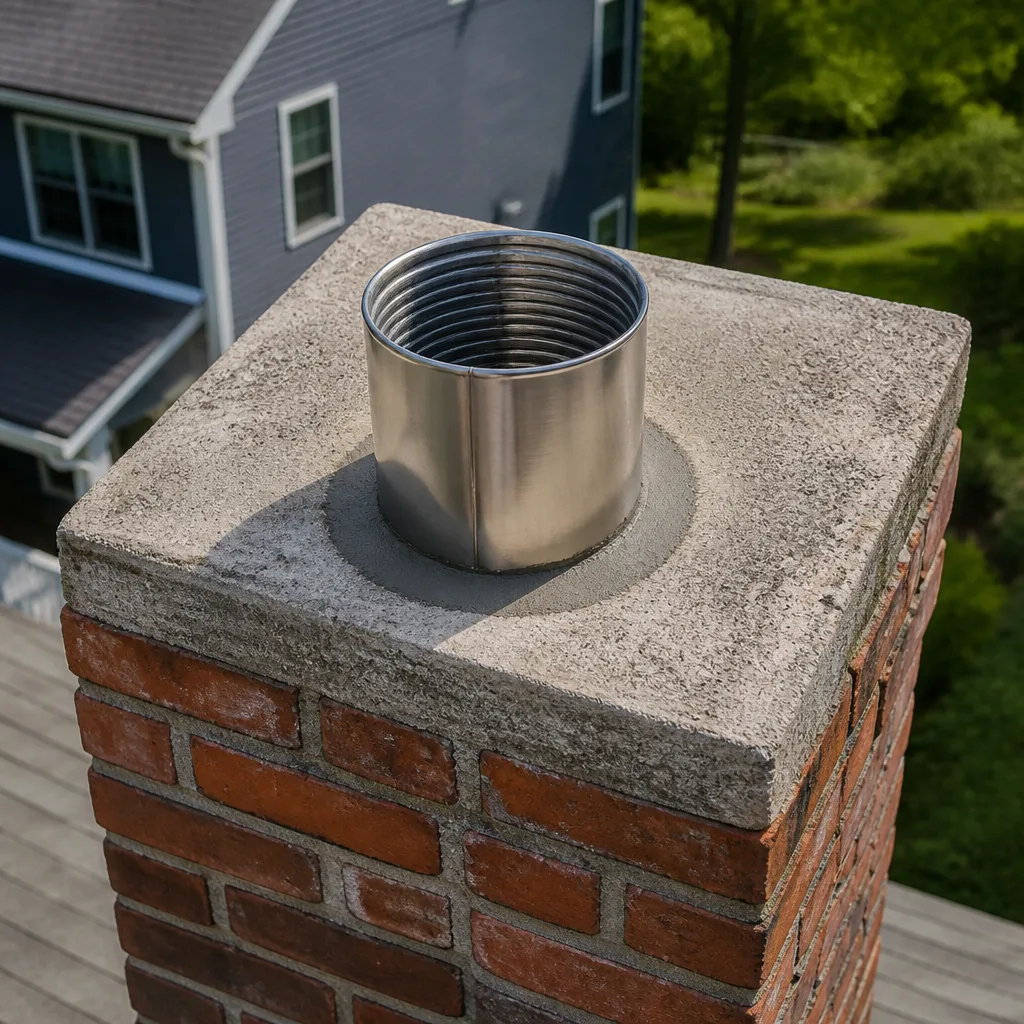 Flue relining
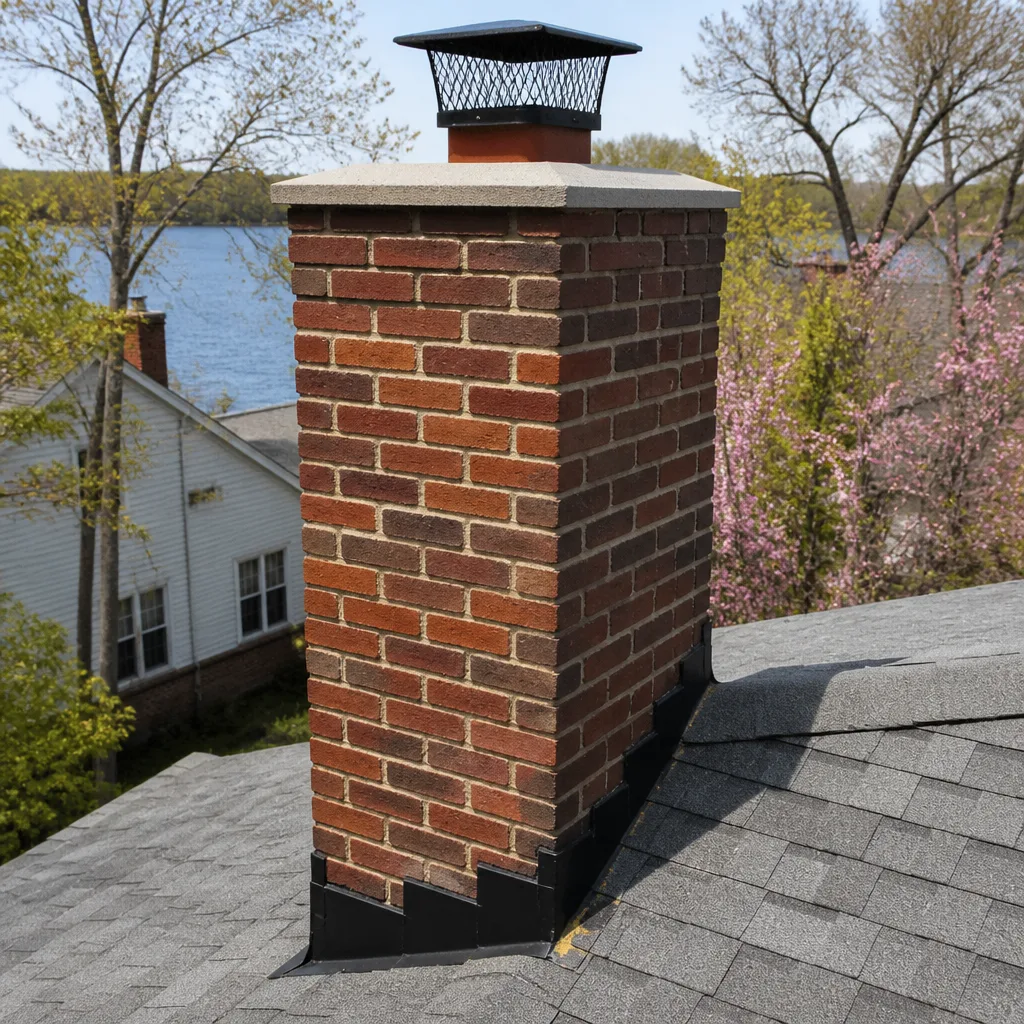 Masonry repair
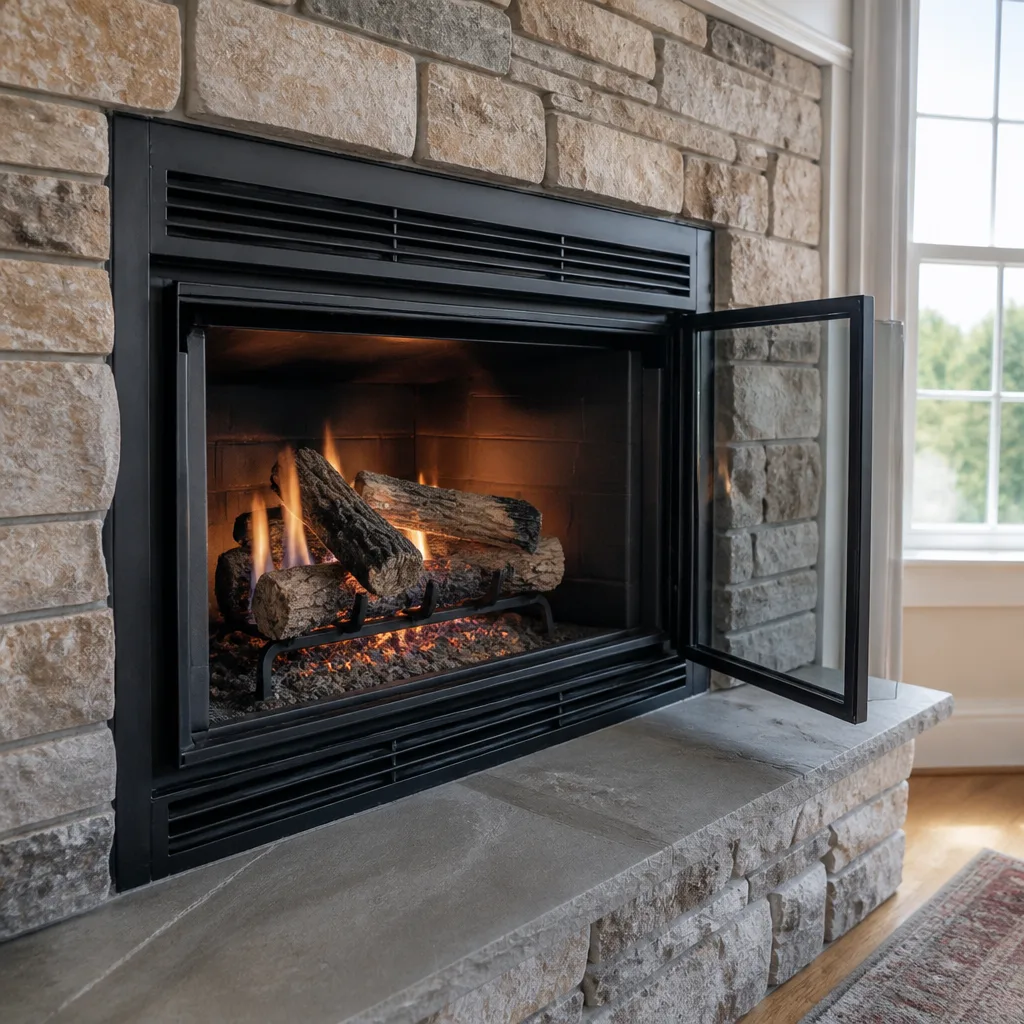 Gas fireplace service
Level 1 sweep and inspection to the NFPA 211 annual standard - flue, crown, cap, and flashing checked and photographed
Chimney sweep logs do not sweep chimneys. They loosen some creosote - which then falls where a brush and vacuum still have to collect it.
Chimney Cleaning Emergency Preparedness Guide for Allen Homes
During a chimney fire, the worst thing most homeowners do is open the glass doors to look inside. That single action feeds oxygen to a fire burning in a confined flue, and it can turn a contained chimney fire into something far worse. The correct response takes about three seconds and almost nobody has been taught it. This guide separates the two chimney emergencies Allen homeowners actually face – an active flue fire and carbon monoxide backing into the living space – and gives each one its own protocol, because the right moves for one are exactly wrong for the other. You’ll learn what to do before, during, and after, and which chimney conditions make each emergency more likely.
Quick Answer
If you suspect a chimney fire, close every air inlet and the damper, get everyone out, and call 911 from outside. If you suspect carbon monoxide, leave the house immediately and call 911 without trying to shut anything down first. After either event, the chimney cannot be used again until a Level 2 inspection clears it. In Allen, where mild winters mean fireplaces sit idle for months and then get worked hard on the first cold snap, both risks build quietly between seasons.
Styles & brands we work with
- Sweep & inspection
- Caps & crowns
- Flue relining
- Masonry repair
- Gas fireplace service
Table of Contents
- Why Allen Homes Face Two Different Chimney Emergencies
- The Two-Step Response to a Chimney Fire
- Carbon Monoxide vs. Chimney Fire: Telling Them Apart
- Pre-Season Readiness: The Damper Drill Every Household Needs
- What to Tell Allen Fire Department Dispatch
- After the Fire: Why a Level 2 Inspection Comes Next
- The Chimney Conditions That Raise Your Risk
Why Allen Homes Face Two Different Chimney Emergencies
Most chimney safety advice treats “chimney emergency” as a single category. In our experience working on flues across Allen, it isn’t. There are two events, they start from different causes, and the correct human response to each is close to opposite. A chimney fire needs you to starve it of air before you leave. A carbon monoxide event is already in the room with you, and the only move is to get out.
Allen’s climate shapes both. Winters here are mild, which means many fireplaces go untouched for eight or nine months and then see heavy use during the two or three cold weeks that actually arrive. That pattern matters. Creosote – the tar-like residue left by wood smoke – builds up over every fire and hardens between seasons. When the first real cold front hits Allen and a homeowner burns a hot fire in a flue that’s been sitting since last year, stage-three glazed creosote can ignite. Carbon monoxide risk follows a different path: a flue that drafts poorly, a blocked flue, or a cracked liner lets combustion gases spill back into the house instead of rising up and out.
Newer Allen neighborhoods bring their own wrinkles. Homes built with modern tight construction hold indoor air more effectively, which can compete with a fireplace for the air it needs to draft properly. Add a kitchen exhaust fan or a clothes dryer running at the same time and a flue can back-draft. It’s not a defect in the house; it’s a balance problem, and it’s why draft testing belongs in a proper inspection rather than a visual glance.
If you want the fundamentals on how a sweep and inspection cycle actually works for an Allen home, our Allen Chimney Cleaning overview lays out the sweep-inspect-repair cycle we run.
The Two-Step Response to a Chimney Fire
Here’s the counterintuitive part: a chimney fire needs fuel, heat, and oxygen, and you can’t remove the first two in the moment. You can remove the third. Almost everything a panicking homeowner does – opening the glass doors, opening the damper wide, grabbing a garden hose – adds oxygen or puts water where it doesn’t belong.
Step one: close all air inlets and the damper
A wood stove or insert has air controls, usually a lever or dial on the front or side. Close them fully. For an open fireplace, close the glass doors if you have them. Then close the damper. This starves the fire of the oxygen it needs to keep climbing, and it slows the runaway draft that pulls flames up into the flue. It takes seconds. Every adult in the household should know where the damper handle is and which way it moves before the night they need it.
Step two: get out and call 911
Do not wait to see if it worked. Get everyone outside and call 911 from there. Tell them it’s a chimney fire. A fire that appears to have gone out can reignite, and the flue itself can be structurally compromised in ways you cannot see from the hearth.
What not to do
- Don’t open the glass doors to look. That’s the oxygen mistake.
- Don’t spray water into a hot flue. On a masonry chimney, a sudden cold shock can crack the flue tiles.
- Don’t assume “it went out on its own” means it’s safe. It doesn’t.
The physics is the whole point: combustion accelerates with airflow, and a chimney is literally a draft machine built to move air upward. Cutting that draft in the first three seconds is the one meaningful intervention a homeowner has.
Carbon Monoxide vs. Chimney Fire: Telling Them Apart
These two events feel different in the body, and the response differs. A chimney fire usually announces itself: a roaring sound like a freight train, popping and cracking, a hot smell, sometimes visible smoke or flames at the top of the chimney, sometimes black smoke pouring from the cap. Carbon monoxide gives no such warnings, which is why it kills. It’s colorless and odorless. The flue is supposed to carry it away, and when it doesn’t, it backs into the room.
How CO presents, by symptom pattern
Carbon monoxide poisoning tends to affect everyone in the house at once, and it improves when people leave and worsens when they return. Symptoms build gradually: headache, dizziness, nausea, confusion, and in serious cases loss of consciousness. The pattern that matters is that multiple people – and often pets – feel unwell together, especially when the fireplace or stove is running.
How a chimney fire presents
A flue fire is a sensory event: the roar, the crackle, heat you can feel, and sometimes a smell like burning tar or a hot metallic odor. It may be loud enough to wake you.
Why the response actions are opposite
For a chimney fire, you take three seconds to shut the air down before you leave, because starving the fire helps. For suspected CO, do not spend those seconds on the damper. Get everyone outside and call 911 from the driveway. Then call us once you’re safe, and we’ll come out to find out why the flue failed to vent, which is a diagnostic job, not a guess. A carbon monoxide alarm in every sleeping area is the non-negotiable backup here.
Pre-Season Readiness: The Damper Drill Every Household Needs
Emergency readiness is not a fire extinguisher under the sink and a hope. For a chimney, it’s knowing where the controls are and having moved them at least once before the night you actually need to. Before the first burn of the season, do the following with everyone who lives in the house.
- Locate the damper. For an open fireplace, it’s the metal plate just above the firebox, operated by a handle or a knob, sometimes with a small pull-chain. Open it fully, then close it fully, so you feel the range of motion and know which position is “open.”
- Locate the air controls on any insert or stove. On most units there’s a primary air lever on the front or side. Know the closed position.
- Practice the sweep. Have each adult close the air controls and damper once, on a cold firebox, so the motion is muscle memory. It takes about a minute for the whole household.
- Check the smoke alarms and the CO alarm on the same weekend. A working damper means nothing if nobody wakes up.
- Book a sweep and inspection before the season, not after the first fire. Creosote that’s cleaned out in October can’t ignite in December.
This last point is the real preparedness move, and it’s why chimney sweep work is seasonal here. A sweep clears the creosote that fuels a flue fire; a proper inspection catches the liner cracks and blockages that cause CO backup. Both are best done before that first Allen cold snap, when every fireplace in the neighborhood suddenly gets used.
What to Tell Allen Fire Department Dispatch
When you call 911 for a chimney fire in Allen, the information you give in the first fifteen seconds changes how fast and how effectively they respond. Fire crews need to know it’s a chimney fire specifically, because that changes what they bring and how they approach the structure.
- Say “chimney fire,” not “house fire.” It directs the response. A chimney fire is a different animal from a room-and-contents fire, and dispatch needs the distinction.
- Give your address and say everyone is out. If someone is still inside, say so first, before anything else.
- Describe what you see. Smoke from the top of the chimney, flames visible at the cap, black smoke, the sound – all of it helps.
- Say whether you’ve closed the damper and air controls. That tells them you’ve already started to starve the fire, and it changes what they expect on arrival.
- Mention the fuel type – wood, gas, or a pellet insert – and any known liner material if you’ve had one installed.
One more thing: stay on the line until dispatch releases you. They may ask you to confirm that no one is re-entering, and they’ll direct you on where to stage. Don’t re-enter the house for possessions. After the crews clear the scene, the next call is to us, to schedule the inspection that determines whether the flue can be used again.
After the Fire: Why a Level 2 Inspection Comes Next
A chimney that has survived a fire is not automatically a chimney that’s safe to use. A flue fire can crack flue tiles, warp a metal liner, distort a damper, and open gaps that let combustion gases escape into the wall cavity or attic. The only way to know the condition is a Level 2 inspection, which includes a video scan of the flue interior. A visual check from the firebox doesn’t cut it after a fire.
What a Level 2 inspection looks for
- Cracked or spalled flue tiles in a masonry chimney – the hairline gaps that let CO leak into the structure.
- Liner damage – warping, separation at joints, or burn-through in a metal liner.
- Creosote remaining – glazed, hardened creosote left by a fire can reignite and needs removal.
- Damper and smoke chamber condition – warping or cracks that no longer seal.
- Connectivity and clearances at the top and the firebox, and any gaps in the cap or crown.
If the inspection finds damage, the repair is often a relining job. For masonry, a HeatShield resurfacing can restore a deteriorated flue interior without a full rebuild; for a failed metal liner, a DuraFlex liner system replaces it to current venting standards. This is where a single specialist who sweeps, inspects, and repairs matters – a damage finding doesn’t send you hunting for a second contractor. Our chimney repair work is built around that inspection-first logic: find it, then fix it in the same visit when the work allows.
The Chimney Conditions That Raise Your Risk
Both emergencies start from a handful of preventable conditions. Knowing them lets you connect a symptom to a cause before it becomes a 911 call in Allen.
Creosote buildup
Every wood fire deposits creosote. Slow, smoldering fires with unseasoned wood produce more of it, and it hardens into a glazed layer that ignites at a lower temperature the longer it sits. This is the single biggest fire risk in a wood-burning flue, and it’s resolved by regular sweeping.
Flue blockages
Nests, leaves, and debris choke the flue and force combustion gases back inside instead of up and out. It’s the leading cause of CO backup we see. A capped chimney and an annual inspection go a long way.
Liner deterioration
A cracked or missing liner means the chimney’s inner surface is unprotected. On a masonry flue, cracks in the tiles leak gases into the structure; on a metal flue, a rusted or separated liner lets smoke and CO escape. This is a repair, not a cleaning.
Poor draft and back-drafting
As noted, a tight, modern Allen home can struggle to supply enough air for the fireplace to draft. A flue that smokes into the room when a bathroom fan runs has a pressure problem. That’s a draft diagnosis, and it’s one reason we test draft rather than eyeball the flue.
Seasonal neglect
A chimney that sat through the long Allen off-season with a final dumping of creosote hasn’t been cleared before the first fire. That’s the setup for a flue fire. A pre-season sweep closes it.
Common Mistakes to Avoid
- Opening the glass doors during a fire to “check on it.” This feeds the fire oxygen and can turn a contained flue fire into a full combustion event. Close the air down instead.
- Treating a CO alarm like a false alarm because the house seems fine. CO is odorless. If the alarm sounds while the fireplace is running, leave and call 911 from outside, then call a specialist to find the venting failure.
- Burning unseasoned wood because it’s cheaper. Wet wood burns cool and smoky, and it lays down more creosote than dry wood. In Allen’s mild winters, a homeowner can stack a season’s worth of green wood in October and not realize the risk until it’s glazed.
- Skipping the sweep because the fireplace “worked fine.” A working fire leaves creosote behind every time. The flue that’s been fine all year can ignite on the first hot fire of the season.
- Assuming the chimney is safe after a fire because the house didn’t burn. It isn’t. A fire can damage the flue without visible signs, and a Level 2 inspection is the only way to confirm it’s usable.
- Never learning where the damper handle is. In an emergency, a homeowner who doesn’t know which way the damper moves loses the three seconds that matter most. Practice it before you need it.
- Re-entering the house after crews clear the scene to grab valuables. CO can linger and a compromised flue is unsafe. Wait for the all-clear and the inspection.
See the difference
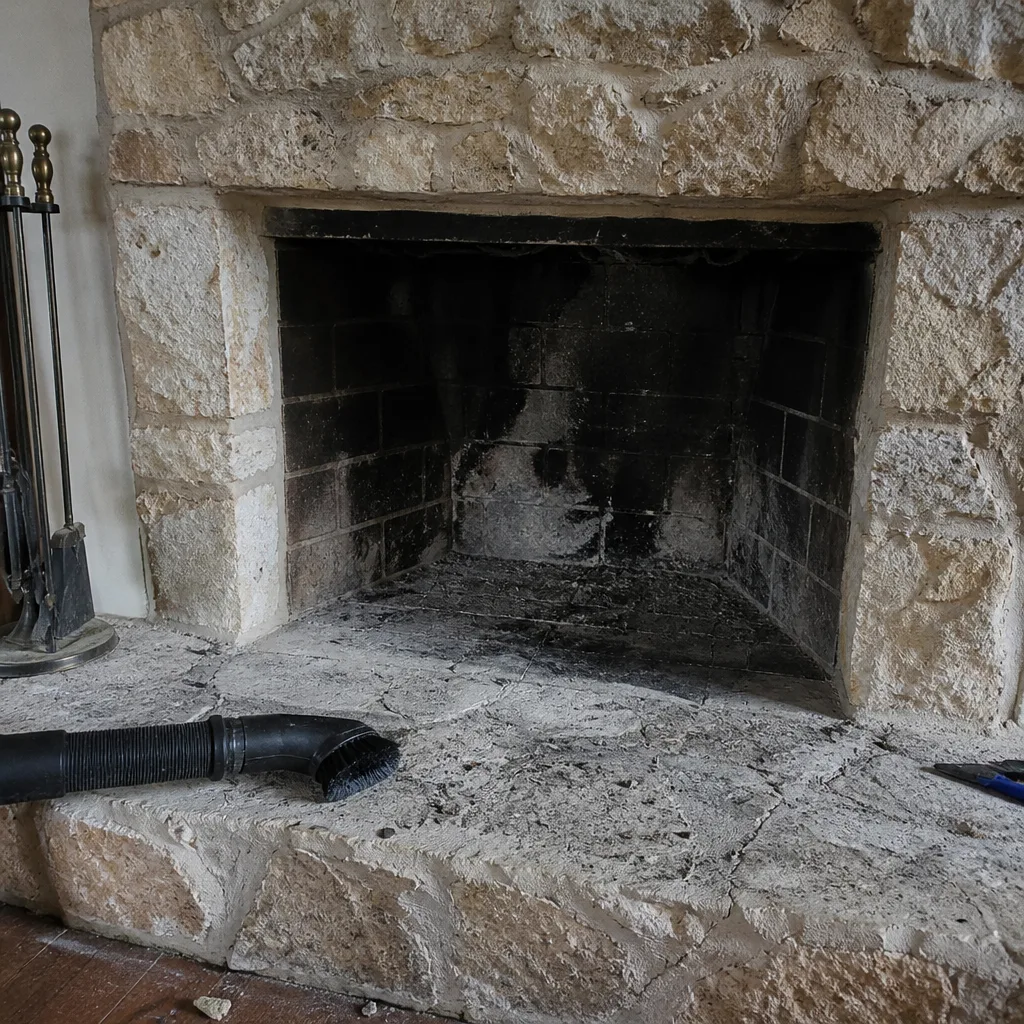 Before
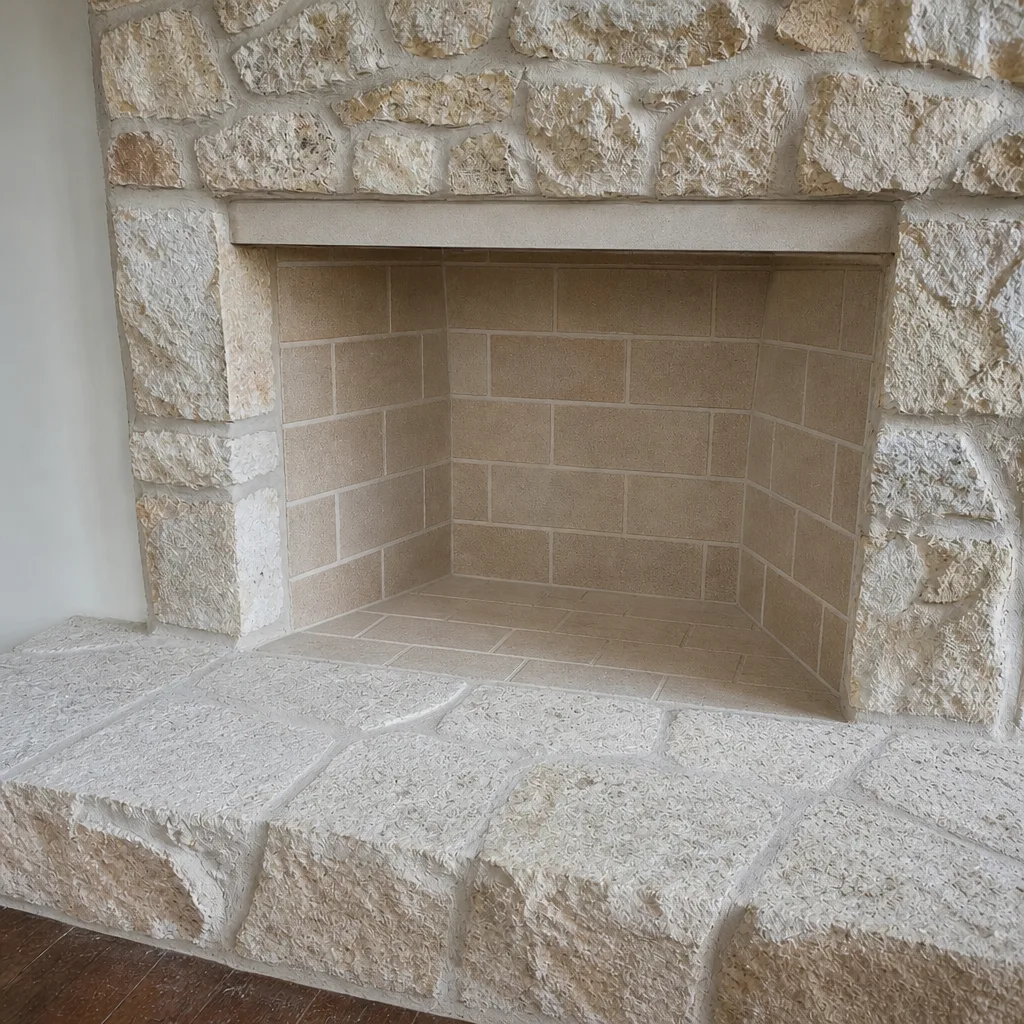 After
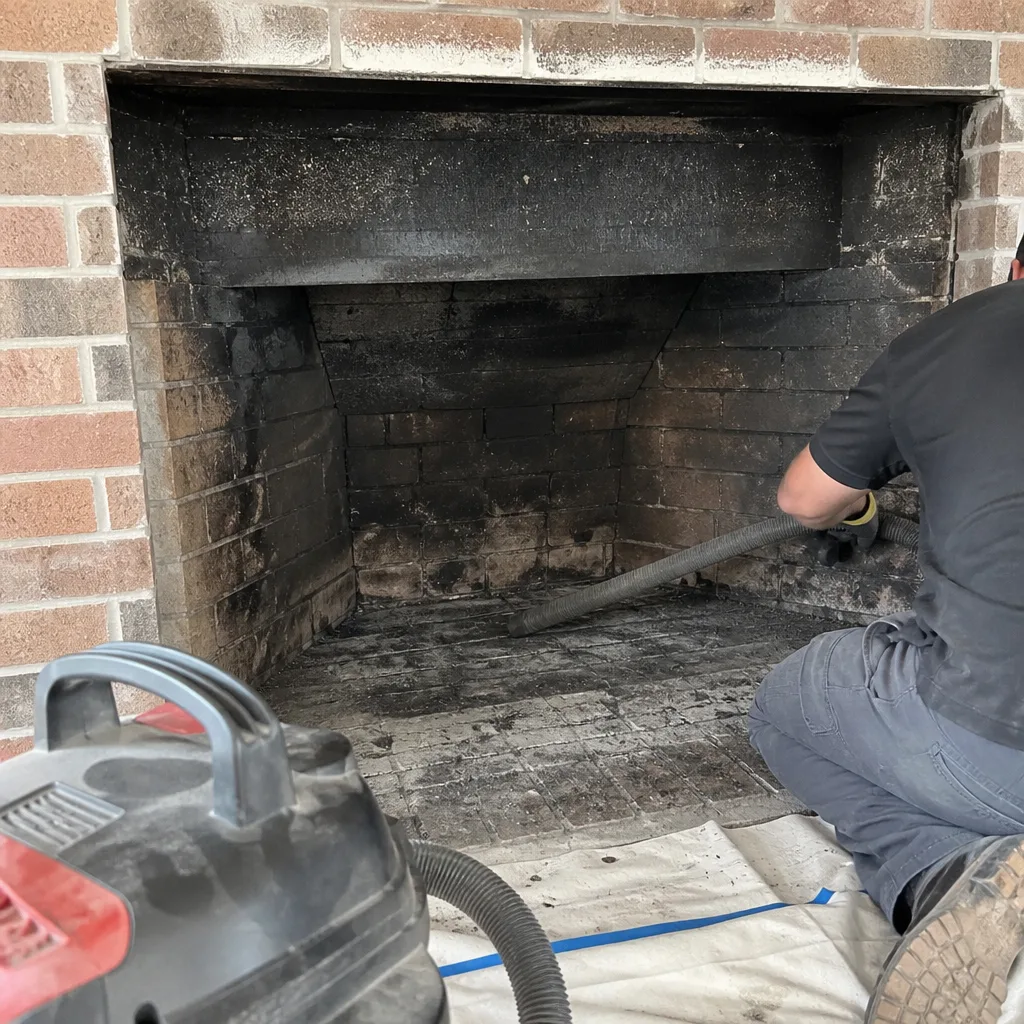 Before
 After
 Before
 After
When to Call a Professional
Call a professional chimney specialist in Allen if you’ve had any flue fire, if a CO alarm has gone off, if you’ve noticed smoke rolling into the room, or if you’ve had a visible change in draft. Call us if you smell a strong smoky or tar-like odor, if the cap or the flue top shows damage, or if you’ve never had the chimney inspected and it’s been in use for more than a year. A pre-season sweep and inspection is the safest call of all – it catches creosote and liner damage before they become an emergency. Allen Chimney Cleaning offers free estimates in Allen – call (855) 965-4730. We answer 24/7. Fast dispatch from 7am to 7pm, Sunday through Friday. We’re closed Saturday.
Frequently Asked Questions
Close all air inlets and the damper, then get everyone out and call 911 from outside. Closing the air starves the fire of oxygen and slows the runaway draft; leaving and calling 911 protects the people and gets the right response started. Don’t open the glass doors to look inside.
A chimney fire is a sensory event – a roar, popping, heat, and often smoke or flames at the top of the chimney – while CO is silent and odorless. If multiple people in the house feel unwell at once and improve when they leave, suspect CO and call 911 immediately. For either, call (855) 965-4730 afterward, and estimates are free.
No, not until a Level 2 inspection has confirmed the flue is intact. A flue fire can crack tiles, warp a liner, or distort the damper without obvious signs, and those gaps let combustion gases leak into the structure. A video scan of the flue interior is the only way to know it’s safe.
Say “chimney fire,” give your address, confirm everyone is out, and describe what you see and hear. Tell them whether the damper and air controls are already closed, and name the fuel type. That information shapes the response, so stay on the line until dispatch releases you.
Mild winters mean fireplaces sit idle for months and then get burned hard during a short cold stretch, after creosote has had a whole season to build and harden. That first hot fire of the season can ignite glazed creosote. A pre-season sweep removes the fuel before it matters.
On an open fireplace, it’s the metal plate above the firebox operated by a handle, knob, or pull-chain; on an insert or stove, it’s a lever on the front or side. Learn the closed position now, and have each adult close it once on a cold firebox so it’s automatic when it matters. If you’re not sure how yours works, call (855) 965-4730 – estimates are free.
Yes. Any home with a wood-burning fireplace, insert, stove, or gas appliance should have CO alarms in sleeping areas. A flue that fails to vent can back combustion gases into the house, and the alarm is the only warning you’ll get. Pair it with an annual inspection for full coverage.
Creosote keeps building with every fire, and hardened glazed creosote ignites at a lower temperature each season. A homeowner who skips the sweep is stacking fuel in the flue and trusting luck. In Allen, book the sweep before the first cold snap rather than after. Call (855) 965-4730 – estimates are free.
The Bottom Line
Chimney emergencies in Allen come in two forms – an active flue fire and silent carbon monoxide backup – and they demand different responses. For a flue fire, close the air and damper, get out, and call 911. For CO, leave immediately and call 911 without touching the controls. Both risks trace back to the same preventable conditions: creosote buildup, blockages, and liner damage, all of which a pre-season sweep and inspection catch. Learn the damper drill, keep a CO alarm in every sleeping area, and book the inspection before you need it. Our technicians have up to 12 years of experience and work with trade-spec materials from DuraFlex, HeatShield, Copperfield, and Gelco. When you’re ready, we’ll find it and fix it in the same visit.
Have a flue that needs a look, or want a pre-season sweep for your Allen home? Call Allen Chimney Cleaning at (855) 965-4730 for a free estimate. We answer 24/7. Fast dispatch from 7am to 7pm, Sunday through Friday, and we’re closed Saturday.
Written by the team at Allen Chimney Cleaning.