
Last updated November 16, 2026
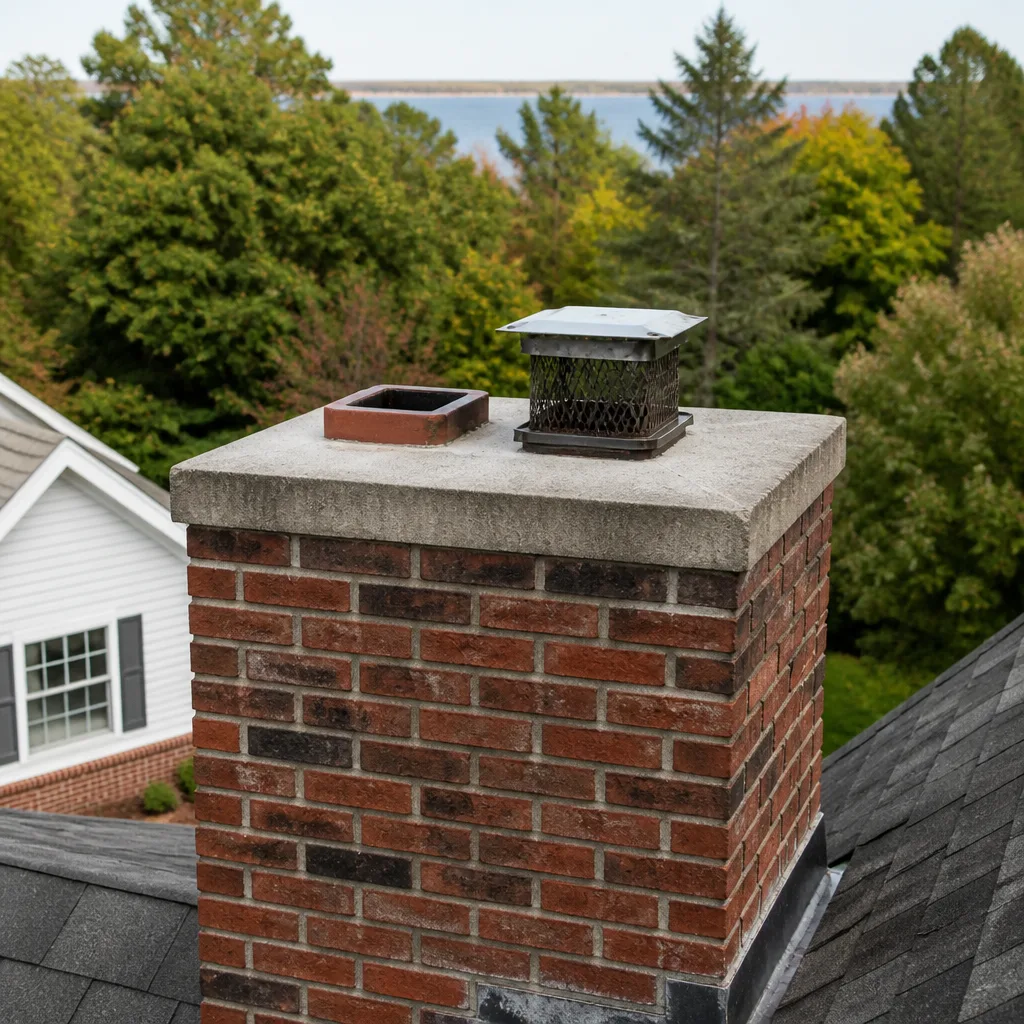 Sweep & inspection
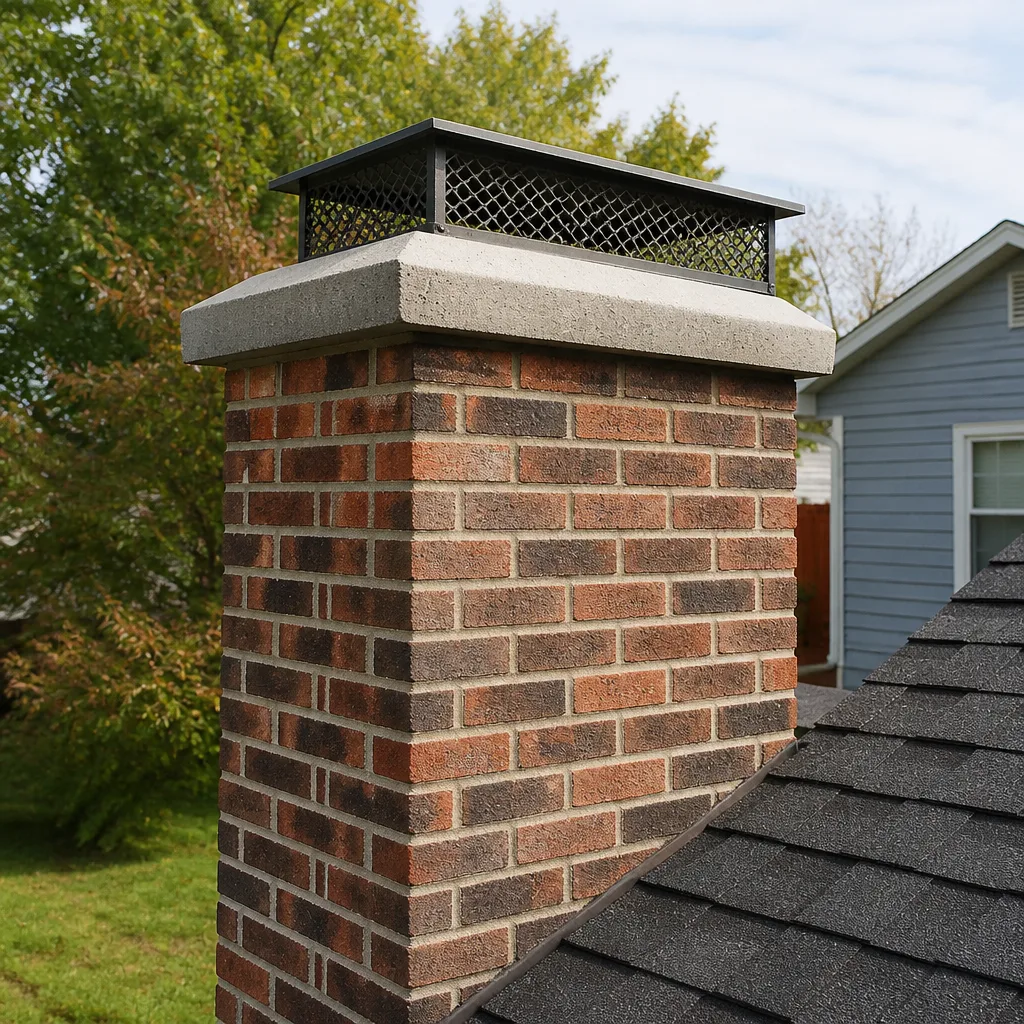 Caps & crowns
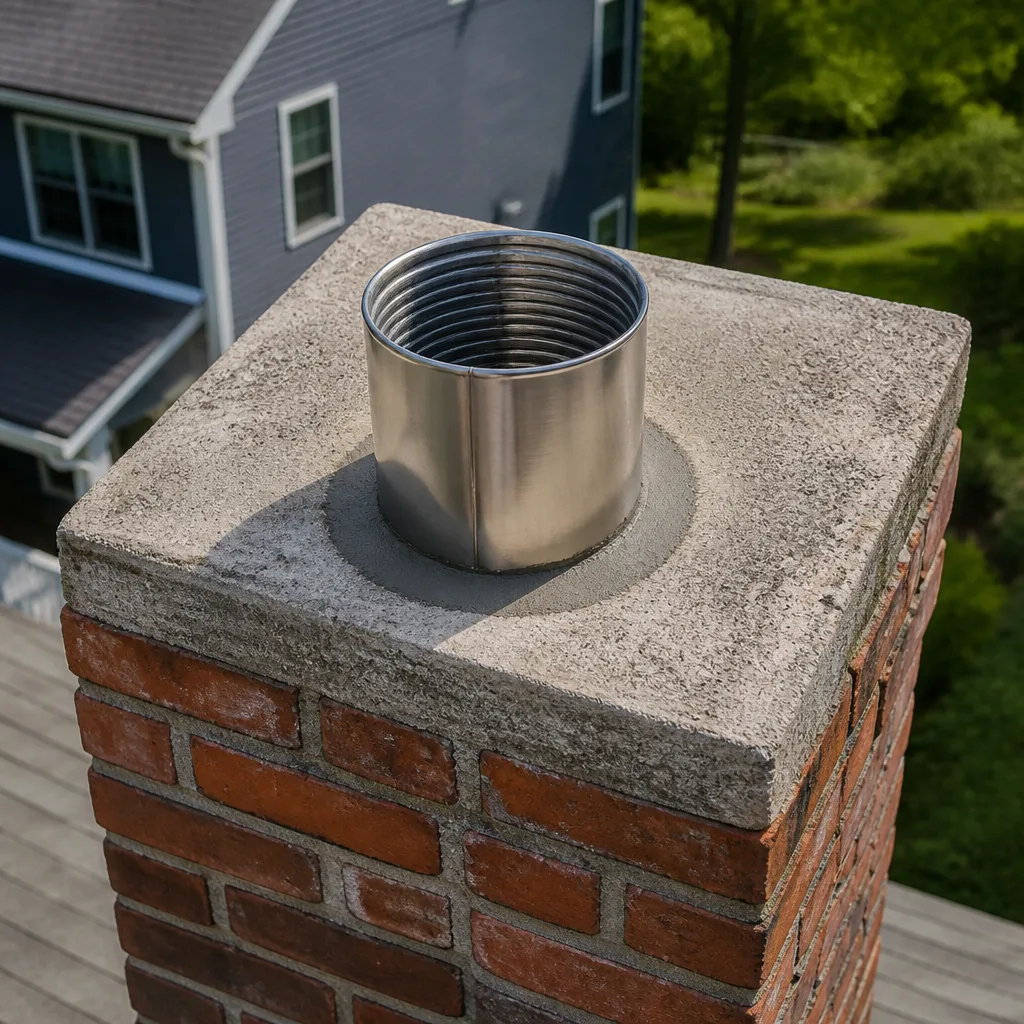 Flue relining
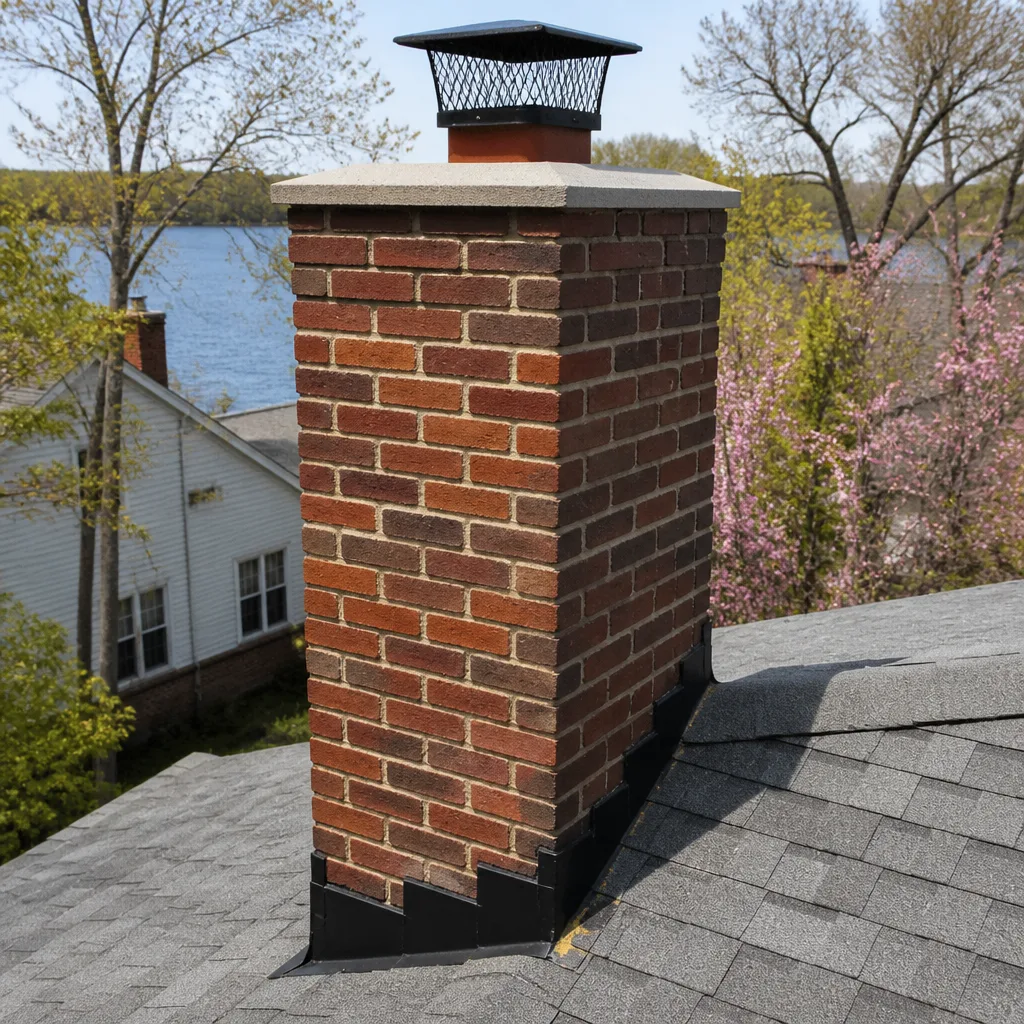 Masonry repair
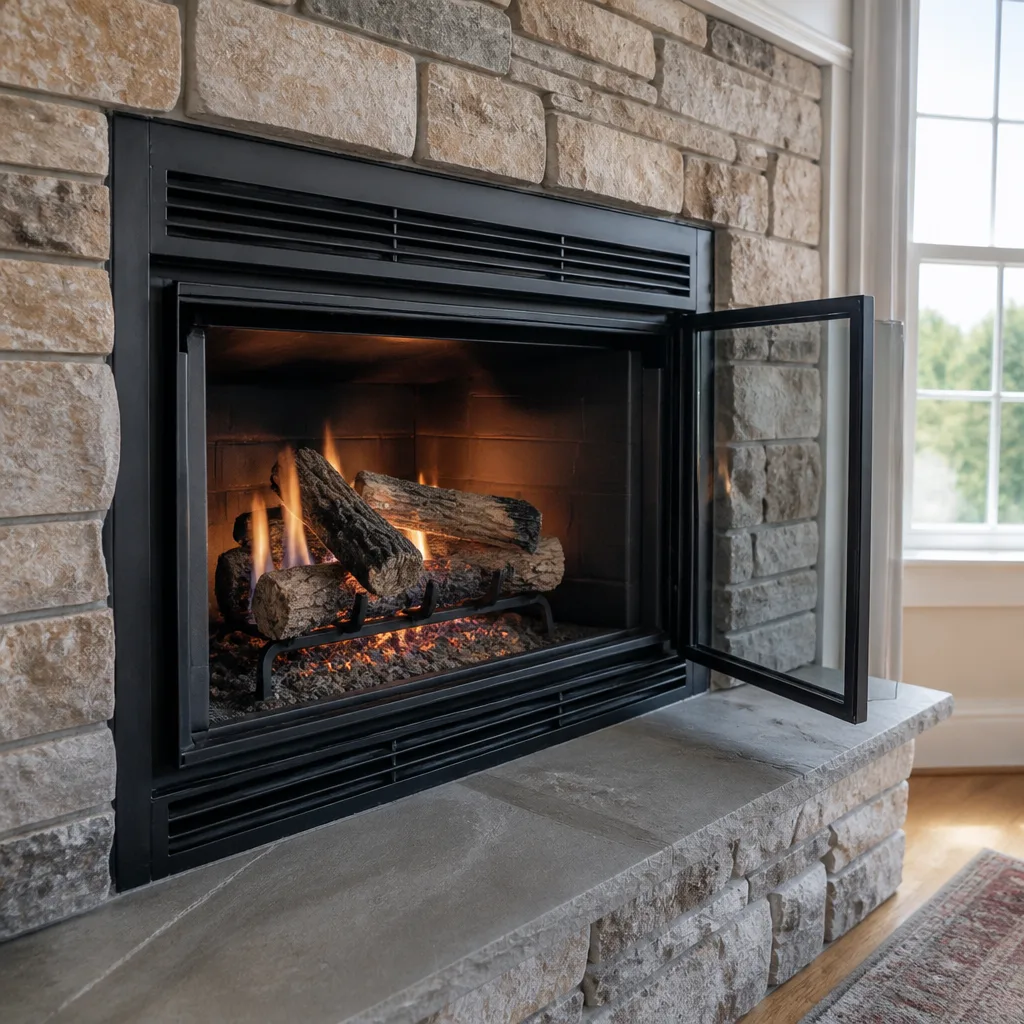 Gas fireplace service
Level 1 sweep and inspection to the NFPA 211 annual standard - flue, crown, cap, and flashing checked and photographed
Chimney sweep logs do not sweep chimneys. They loosen some creosote - which then falls where a brush and vacuum still have to collect it.
Seasonal Chimney Cleaning Care for Allen: Year-Round Homeowner’s Guide
Most homeowners treat chimney care as a single autumn event. Book the sweep, burn through winter, forget about it until next fall. That habit works in places with one long heating season. It misses half the cycle in Allen, where the year splits into two very different risk windows. One is the winter burning season that puts creosote and heat stress into your flue. The other is the summer stretch that pairs brutal heat with trapped moisture and storm-driven rain against your crown, cap, and flashing. In this guide, we’ll walk through what actually happens to a chimney across an Allen year, month by month, and how to time every sweep, inspection, and repair so you’re never scrambling at the first cold snap.
Quick Answer
Year-round chimney care in Allen means treating the chimney as a system with two maintenance seasons, not one. Before the first fire in October, get a sweep and inspection so the flue is clear and structurally sound. Right after the last fire in March, sweep again so acidic soot and creosote don’t sit against your mortar through the humid summer. Then use the spring storm window and the dry summer months to catch crown, cap, flashing, and nesting problems while fixing them is still cheap. Miss the post-winter sweep and the summer check, and most of your chimney damage happens while you’re not burning at all.
Styles & brands we work with
- Sweep & inspection
- Caps & crowns
- Flue relining
- Masonry repair
- Gas fireplace service
Table of Contents
- Why Allen Has Two Chimney Seasons, Not One
- The October Pre-Season Checklist: Before the First Fire
- The March Post-Season Protocol: Why Sweeping Now Protects You All Summer
- Spring Storm Season: What It Does to Crowns, Caps, and Flashing
- Summer Tasks: Nests, Moisture, and Mortar in the Dry Months
- How to Time the Sweep-Inspect-Repair Cycle Across All Four Seasons
- What We Actually Check on an Allen Chimney
- What You Can Safely Check Yourself (and What You Can’t)
Why Allen Has Two Chimney Seasons, Not One
In a northern climate, the chimney has one job and one season: carry smoke out of a house that’s burning wood for months straight. Allen isn’t that. Winters here are mild, which means you might burn on and off through a few cold stretches rather than in one long continuous season. That intermittent burning actually has a downside for the flue. Fires that start and stop produce more creosote per cord because the flue never stays hot long enough to burn it off cleanly.
Then winter ends, and a second set of pressures begins. Allen summers are long and hot, with well over 80 days climbing above 95°F. Heat alone doesn’t crack a chimney, but heat plus moisture does. Any soot, creosote, and acidic residue left in the flue after winter becomes more aggressive when the humidity climbs. The masonry structure outside your house takes its own beating: the crown, the cap, the flashing, and the mortar joints all expand and contract through cycles of dry heat and heavy rain.
This is the core idea behind every recommendation in this guide. In our experience, the chimney damage we repair most often in Allen didn’t happen during a fire. It happened quietly between fires, over a summer nobody checked.
The October Pre-Season Checklist: Before the First Fire
October is when you want everything verified and finished. The goal is simple: the first fire of the year should be a test of your wood, not a test of your chimney. Fall in North Texas swings from warm afternoons to genuinely cool mornings fast, and the first cold snap is when people light up. You don’t want to discover a problem on that night.
Here’s what needs to be done before that first fire:
- Book a chimney sweep. A sweep clears soot, creosote, and any summer debris from the flue so smoke has a clear path out. Creosote buildup is the single biggest factor in chimney fires, and a sweep is the most direct way to reduce it.
- Have the flue inspected. A sweep clears the flue; an inspection tells you what shape it’s in. Before the burning season begins, you want to know whether the liner is intact, the firebox is sound, and the cap and crown are doing their job. This is where a full-cycle specialist earns their keep: the sweep and the inspection happen together, and if something needs repair, it gets identified before it becomes an emergency.
- Check the damper. Confirm the damper opens, closes, and seats fully. A damper that sticks open wastes heat all winter; one that won’t open sends smoke into the room.
- Look at the firebox and firebrick. Cracked firebrick and deteriorated mortar in the firebox are common finds after a summer of disuse. Small cracks can often be repointed; larger ones signal a repair before you burn.
- Verify the cap and spark screen. The screen should be clear and the cap should be securely attached. Summer storms and nesting birds are the usual culprits when it isn’t.
- Confirm your wood is seasoned. Well-dried wood burns hotter and cleaner than green wood, which matters for creosote even in a mild Allen winter.
- Test for draft. Before the first real fire, a small test fire tells you how the draft behaves. Smoke that rolls back into the room is a sign the flue needs attention.
If you knock out this list in early October, you’re set for the season. Wait until the first cold week and you’re competing with every other Allen homeowner for the same window.
The March Post-Season Protocol: Why Sweeping Now Protects You All Summer
This is the step almost everyone skips, and it’s the most important habit in this entire guide. When the last fire of the season goes out, most people figure the chimney is done until fall. The truth is the opposite. The residue left in your flue after a winter of burning sits there through the hottest, most humid months of the year, and that’s when it does real damage.
Here’s why a March sweep matters more than a fall-only sweep:
- Creosote is corrosive when wet. Soot and creosote are acidic. Add summer humidity and they attack mortar joints and the liner from the inside. A flue swept clean in March has nothing for the moisture to activate.
- Intermittent burning builds more residue. An Allen winter is a stop-and-start affair. Each cold snap leaves fresh deposit that doesn’t fully burn off, and by March the flue can be carrying more than a continuous-burn climate would leave.
- You catch damage while it’s small. A post-season inspection reveals what the winter actually did to the flue. A hairline crack found in March is a repointing job; the same crack left through a summer of movement can mean a full reline.
- It resets the clock for October. If you sweep and inspect in March, your fall checklist is largely verification. If you only sweep in October, summer damage goes unseen until it’s already in the way of the burning season.
Book the chimney sweep for March, not just October. It’s the cheapest insurance you’ll buy all year against the kind of structural repair nobody enjoys paying for.
Spring Storm Season: What It Does to Crowns, Caps, and Flashing
Allen’s spring storm season, roughly March through May, is the other big event in a chimney’s year. It isn’t about smoke. It’s about water. Heavy rain, wind, and the occasional hail all hit the top of your chimney, and the top of the chimney is where most water intrusion starts.
The three components that take the hit:
- The crown. The crown is the concrete or masonry cap at the very top of the chimney that sheds water away from the flue. Hairline cracks in the crown are normal as it ages. When water gets into those cracks and the crown isn’t sloped properly, it can work its way down the masonry. A cracked crown is one of the most common things we repair.
- The cap. The cap and spark screen keep rain, animals, and debris out of the flue. A storm-damaged or missing cap lets water pour straight down the flue, and it lets birds and insects set up housekeeping.
- The flashing. Flashing is the metal that seals the gap where the chimney meets the roof. Wind and thermal movement can pull flashing loose, and a small gap there lets water into the roof structure and the ceiling below. Flashing problems are easy to miss from the ground and easy to spot up close.
After a heavy storm, look at your ceiling and attic for water stains and check that the cap is still on straight from a safe vantage. Then have the top of the chimney inspected. Crown, cap, and flashing repairs fall squarely under chimney repair, and it’s the work we’d rather do in April than discover in November.
Summer Tasks: Nests, Moisture, and Mortar in the Dry Months
Summer is the season most Allen homeowners ignore, and it’s exactly when two of the most common problems set in. The long dry heat is hard on masonry, and the open or screened flue is a tempting home for wildlife.
What to watch for between June and September:
- Bird and wasp nests. Chimney swifts, starlings, and other birds find a chimney irresistible, and wasps take to caps and flue openings. A nest blocking the flue is a draft problem and a fire risk, and it’s far easier to clear in summer than to discover on the first cold night.
- Moisture intrusion. Summer storms are less frequent than spring ones but often heavier. A crack in the crown or a gap in the flashing discovered in July is a small repair; left to the fall rains, it compounds.
- Mortar joint deterioration. Heat and movement widen mortar joints over time. Repointing joints while they’re still tight is straightforward. Once the joints are wide enough to let water in and the masonry starts to loosen, the job grows.
- Odors. A musty or smoky smell from the fireplace in summer is usually moisture meeting leftover creosote. It’s a sign the flue needs attention, not an air-freshener problem.
- Dampers and dampers that stick. A damper that’s been closed all summer can seize. Check it before fall so it isn’t stuck when you need it.
A quick summer check for nests and water damage, followed by a proper inspection, keeps the two quiet seasons from turning into fall surprises.
How to Time the Sweep-Inspect-Repair Cycle Across All Four Seasons
If you want a single framework, this is it. Each season has one job, and doing them in order means you’re never caught with a problem at the start of the burning season.
- March: sweep and inspect. Right after the last fire, sweep the flue clean and inspect it. Clear the winter’s residue before summer humidity can activate it, and catch any damage the winter did while it’s still small. This is the most important slot of the year.
- April to May: repair storm damage. Use the spring storm window to assess and fix the crown, cap, and flashing. Get repair work done before the heat of summer so the masonry has time to settle and anything repointed can cure.
- June to September: summer check. Confirm no nests or wildlife have taken up residence, check for moisture intrusion after heavy rain, and look at mortar joints while they’re still tight. A reline or resurfacing job scheduled now means it’s finished long before fall.
- October: pre-season verification. Sweep if conditions warrant, verify the flue, damper, firebox, cap, and screen, and confirm the draft with a test fire. With the March sweep done, this is quick.
- November to February: burn, and watch. Burn freely, but note anything off: smoke rolling back, a smell, a slow-starting draft, or a change in how the fire behaves. Note it and address it in March, or sooner if it’s clearly a problem.
Two sweeps, one inspection, and a spring-and-summer repair window. That’s the whole year.
What We Actually Check on an Allen Chimney
When we’re on a roof in Allen, we’re assessing a system, not scrubbing a pipe. Every job we run is a sweep-inspect-repair cycle, and the inspection-first approach is deliberate. We’d rather tell you the flue is fine than sell you something it doesn’t need.
A full assessment covers:
- The flue interior. Soot and creosote levels, liner condition, and any cracks or gaps that affect safe draft.
- The firebox and firebrick. Cracks, loose brick, and deteriorated mortar around the firebox opening.
- The damper. That it opens, closes, and seals as it should.
- The crown. Cracks and slope, and whether it’s still shedding water away from the flue.
- The cap and spark screen. Security, condition, and whether anything has taken up residence.
- The flashing. That the seal against the roofline is intact and hasn’t been pulled loose by wind or movement.
- The mortar joints on the chimney stack. Whether the joints are tight or starting to widen.
When something does need repair, we work with professional-grade trade materials: HeatShield for resurfacing deteriorated flue interiors, Gelco and Olympia Chimney for caps and related components, and Famco for a range of chimney parts. These are the materials we trust to hold up through an Allen summer. If your flue needs relining, we handle that too, so you’re not handed off to a second contractor for the work the sweep just identified.
Our technicians have up to 12 years of experience, and every one of them works exclusively on chimneys. The trade focus matters. When your service is all a person does, the pattern recognition on crown cracks, flashing problems, and creosote buildup is sharper than it is for someone who also does gutters and handyman work. Our Allen Chimney Cleaning team carries that single-trade focus into every job.
What You Can Safely Check Yourself (and What You Can’t)
There’s a short list of things a homeowner can safely examine, and a longer list they shouldn’t touch. Knowing the difference protects your chimney and you.
Safe to check from the ground or from inside, with no climbing:
- Look at the top of the chimney with binoculars for a missing or crooked cap and obvious crown cracks.
- Check the firebox for cracked firebrick and loose mortar.
- Test the damper by opening and closing it from inside.
- Look for water stains on the ceiling and in the attic near the chimney.
- Notice smells, smoke rollback, or a weak draft during a fire.
Leave this to a trained professional: anything on the roof, anything inside the flue, and anything involving the liner. Getting on a roof to inspect a crown or flashing is a height risk, and the flue interior is not somewhere to work without the right tools and the training to read what you find. The whole point of the inspection-first approach is that a specialist can see the flue properly and tell you exactly what, if anything, needs doing.
For the same reason, if you service gas-burning appliances, have the chimney checked by a professional rather than poking at it. Gas venting and carbon monoxide risk are not a do-it-yourself matter, and a proper inspection is how you confirm the vent is clear and drafting correctly.
Common Mistakes to Avoid
- Sweeping only in the fall. An October-only sweep skips the March cleanup that protects your flue and masonry through the humid summer. Two sweeps, or at least the March one plus a fall verification, is the Allen pattern.
- Skipping the summer check. Nests, moisture intrusion, and widening mortar joints all set in during the dry months. A summer visit catches them while they’re still cheap to fix.
- Ignoring spring storm damage until fall. A cracked crown or pulled flashing gets worse with every rain. What’s a small repair in April can be a much bigger job by October.
- Burning green or unseasoned wood. It produces more creosote and burns cooler. In a mild Allen climate where the flue doesn’t stay consistently hot, that residue builds faster.
- Treating the first cold-call week as your deadline. The first cold snap is a bad time to book a sweep. Get the work done in October or, better, in March.
- Climbing on the roof to check things yourself. Height work and flue interiors belong with a trained professional. A burn or a fall costs far more than a professional inspection.
- Assuming a gas appliance never needs attention. Gas fireplaces and appliances still vent through a chimney or flue that needs checking. Don’t skip maintenance because there’s no soot to see.
See the difference
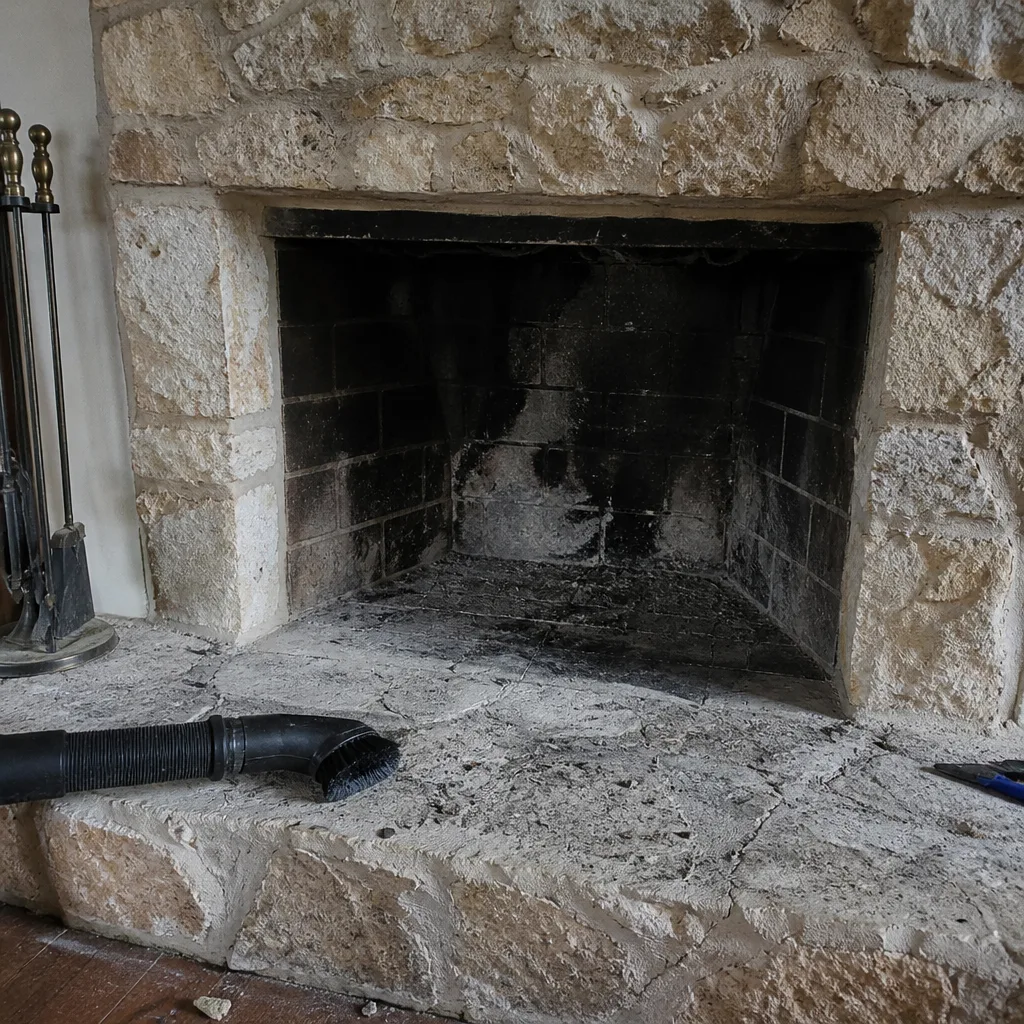 Before
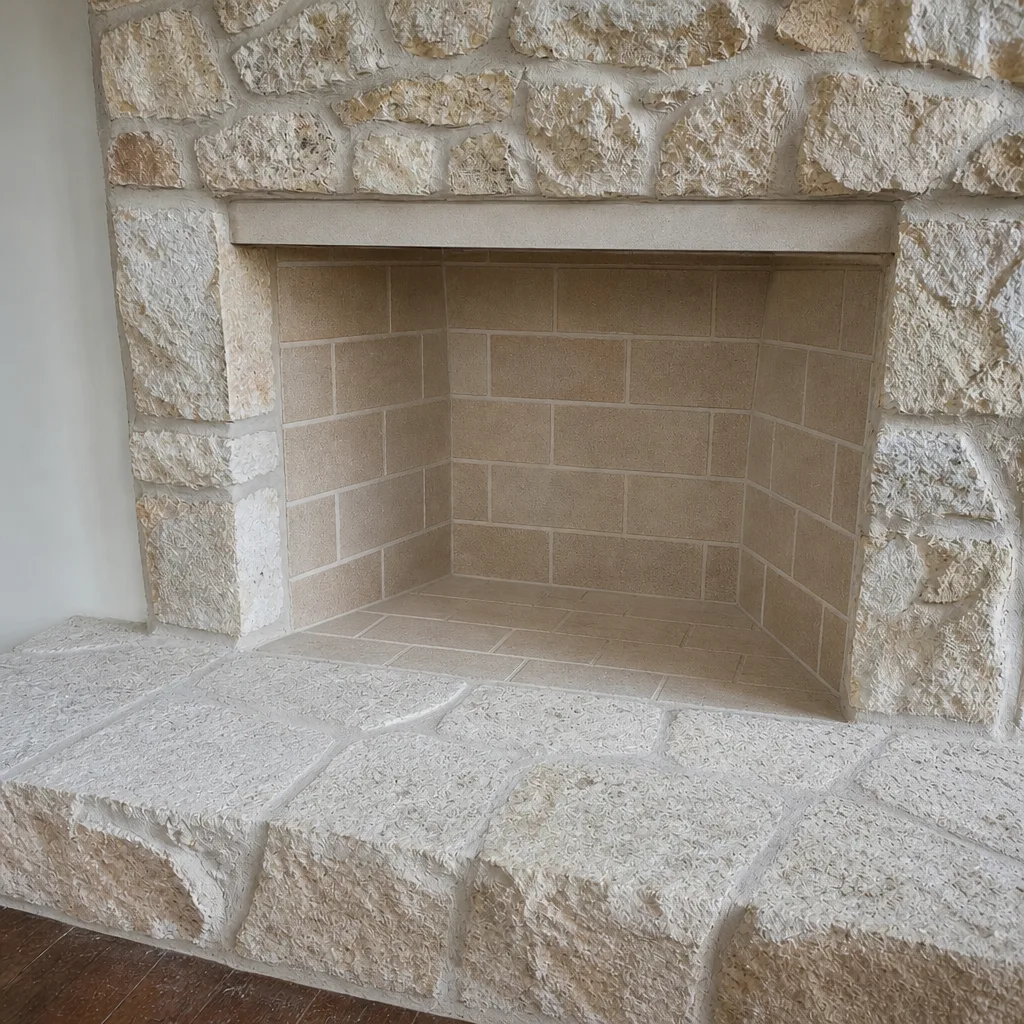 After
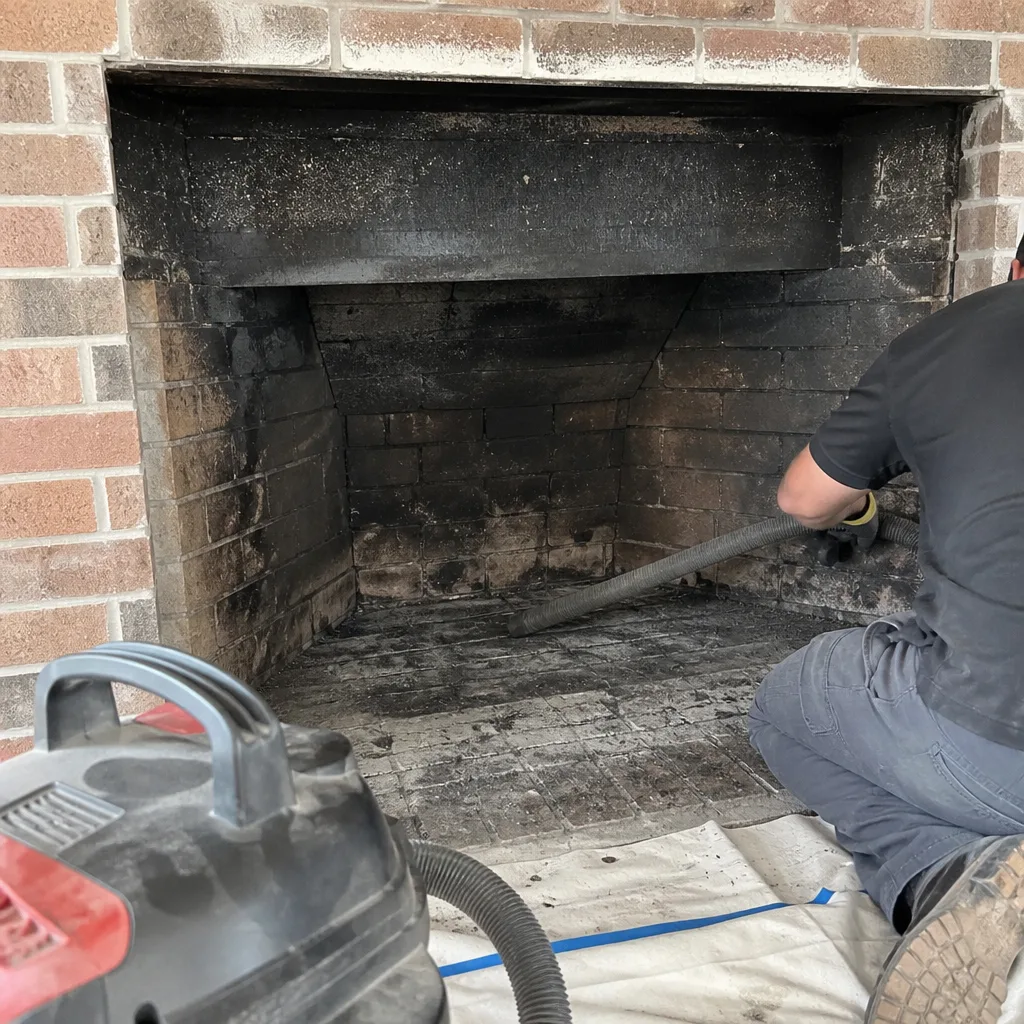 Before
 After
 Before
 After
When to Call a Professional
Call a professional if you notice smoke rolling back into the room, a musty or smoky smell from the fireplace outside the burning season, visible cracks in the firebox or crown, water stains on the ceiling or in the attic, or a cap that’s missing or loose. Call if it’s been more than a season since your last sweep or inspection, or if you’ve just had a heavy storm. And call before the first fire of the season, not after, so any problem is caught while you still have time to fix it.
Allen Chimney Cleaning offers free estimates in Allen. Call (855) 965-4730 for yours. We answer 24/7, with fast dispatch from 7am to 7pm, Sunday through Friday. If a call comes in outside dispatch hours, it’s booked into the next opening, Sunday through Friday, 7am to 7pm.
Frequently Asked Questions
Most Allen homes do well with a sweep at least once a year, timed right after the burning season in March, plus a fall verification before the first fire. If you burn frequently through the winter, the intermittent nature of a mild-climate season can mean more creosote buildup, so a spring sweep keeps the flue clean through the humid months. A professional inspection will tell you if your situation calls for more frequent service.
Sweep right after the burning season, so acidic soot and creosote don’t sit against your mortar through the humid summer. A fall verification keeps you ready for the first fire. The post-season sweep is the one most homeowners skip and the one that protects your flue the most.
Because birds, wasps, moisture, and mortar deterioration are all summer problems. A summer check catches nests in the flue, moisture intrusion after heavy storms, and widening mortar joints while they’re still small repairs. Left until fall, the same issues tend to be bigger and more expensive.
Spring storms beat up the crown, the cap, and the flashing, which are where water intrusion starts. Cracked crowns, loose caps, and pulled flashing are the most common post-storm findings. Have the top of the chimney inspected after a heavy storm and get small repairs done before fall.
You can safely check a short list from the ground and from inside: the cap with binoculars, the firebox, the damper, and water stains. Roof work, flue interiors, liner work, and gas venting belong with a trained professional, both for the height risk and the training it takes to read what you find.
Most of the time a sweep and inspection are enough, and the inspection tells you whether the liner is intact. We don’t recommend a liner without showing you the condition of the flue that warrants it. When resurfacing or relining is needed, we handle it with professional-grade materials rather than handing you off to a second contractor.
The Bottom Line
Allen doesn’t have one chimney season; it has two. The winter burning season loads the flue with creosote and heat stress, and the summer humidity and storm season attacks the masonry, crown, cap, and flashing from the outside. Sweep and inspect in March to clear the flue before summer does its damage. Use the spring storm window to repair the crown, cap, and flashing. Do a summer check for nests, moisture, and mortar. Then verify everything in October before the first fire. Two sweeps, one inspection, and a spring-to-summer repair window keep a chimney healthy all year. Allen Chimney Cleaning handles the sweep, the inspection, and any repair under one roof, so you’re never caught at the start of the burning season without an answer. Call (855) 965-4730. We answer 24/7, with fast dispatch from 7am to 7pm, Sunday through Friday.
For the local picture on Allen, including what to expect from a typical visit, start there.
Written by the team at Allen Chimney Cleaning.