
Last updated November 16, 2026
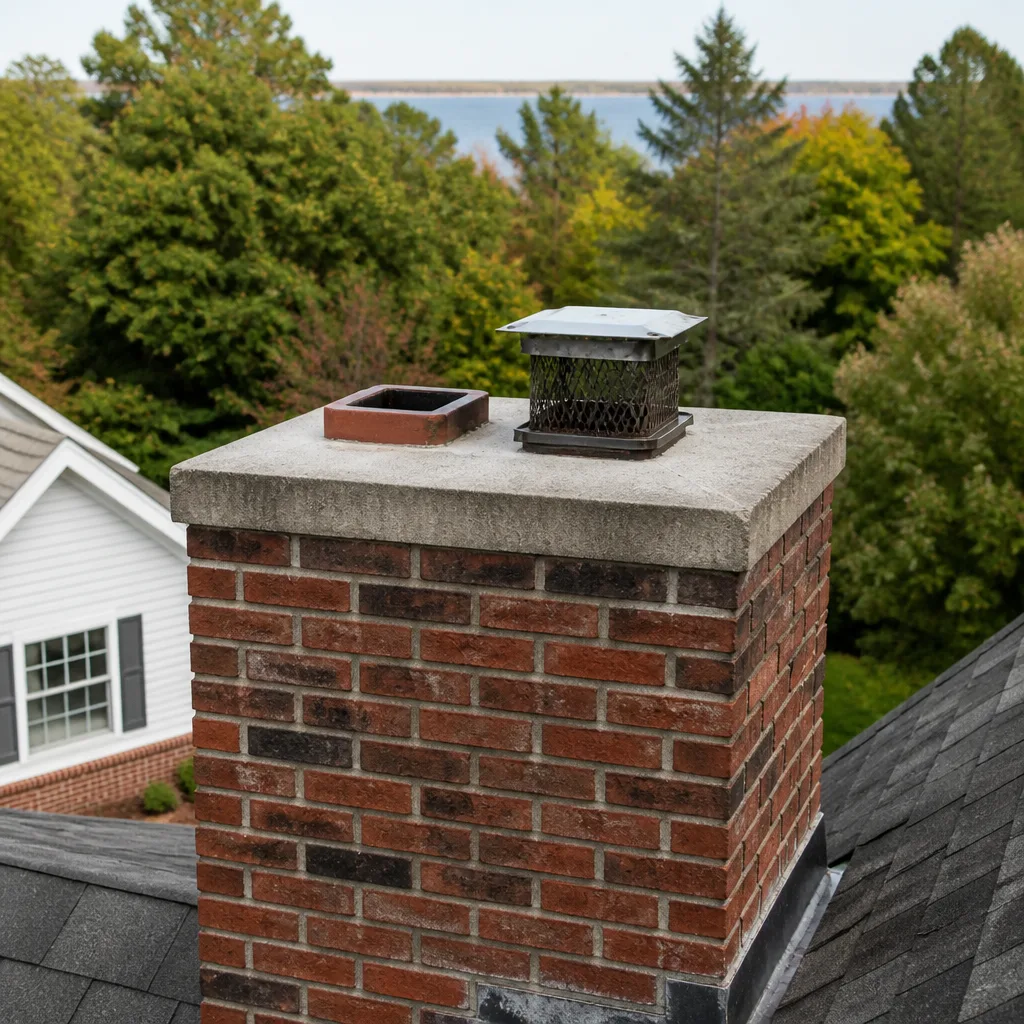 Sweep & inspection
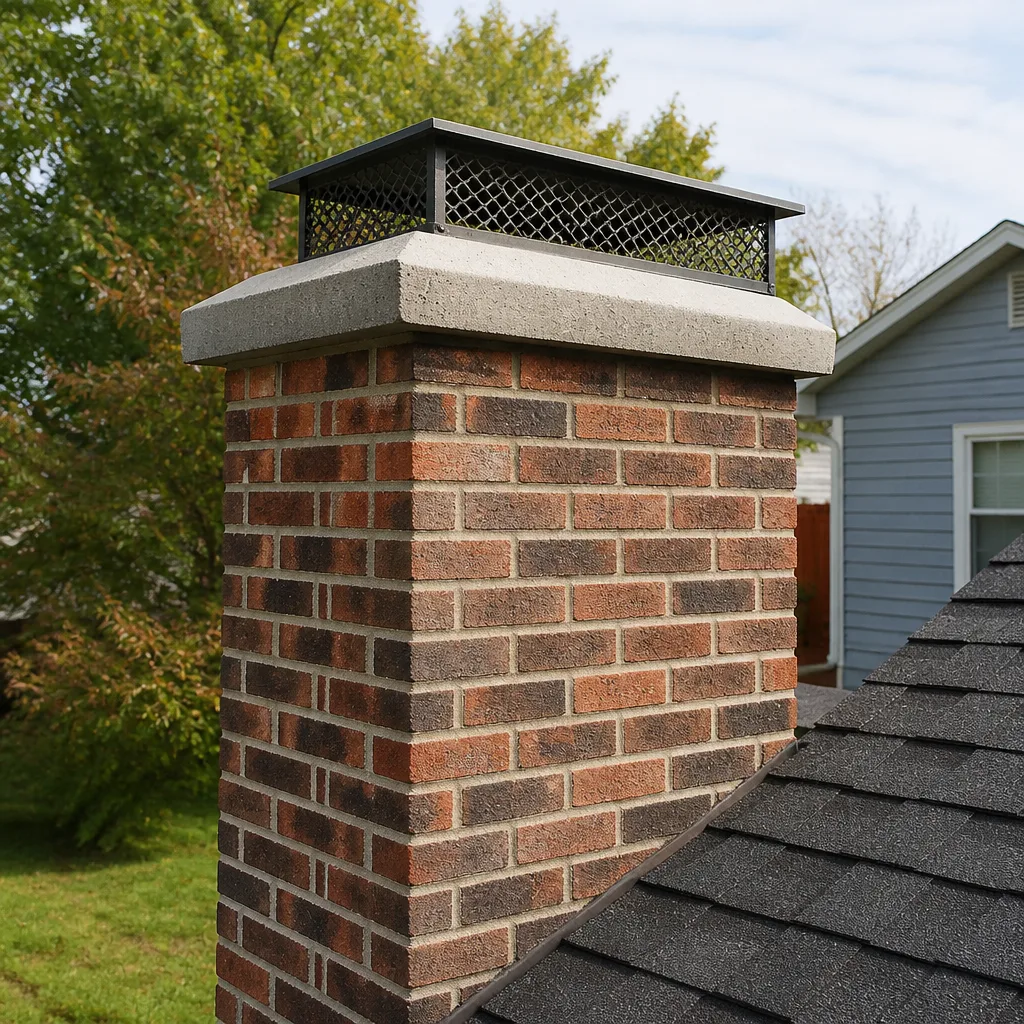 Caps & crowns
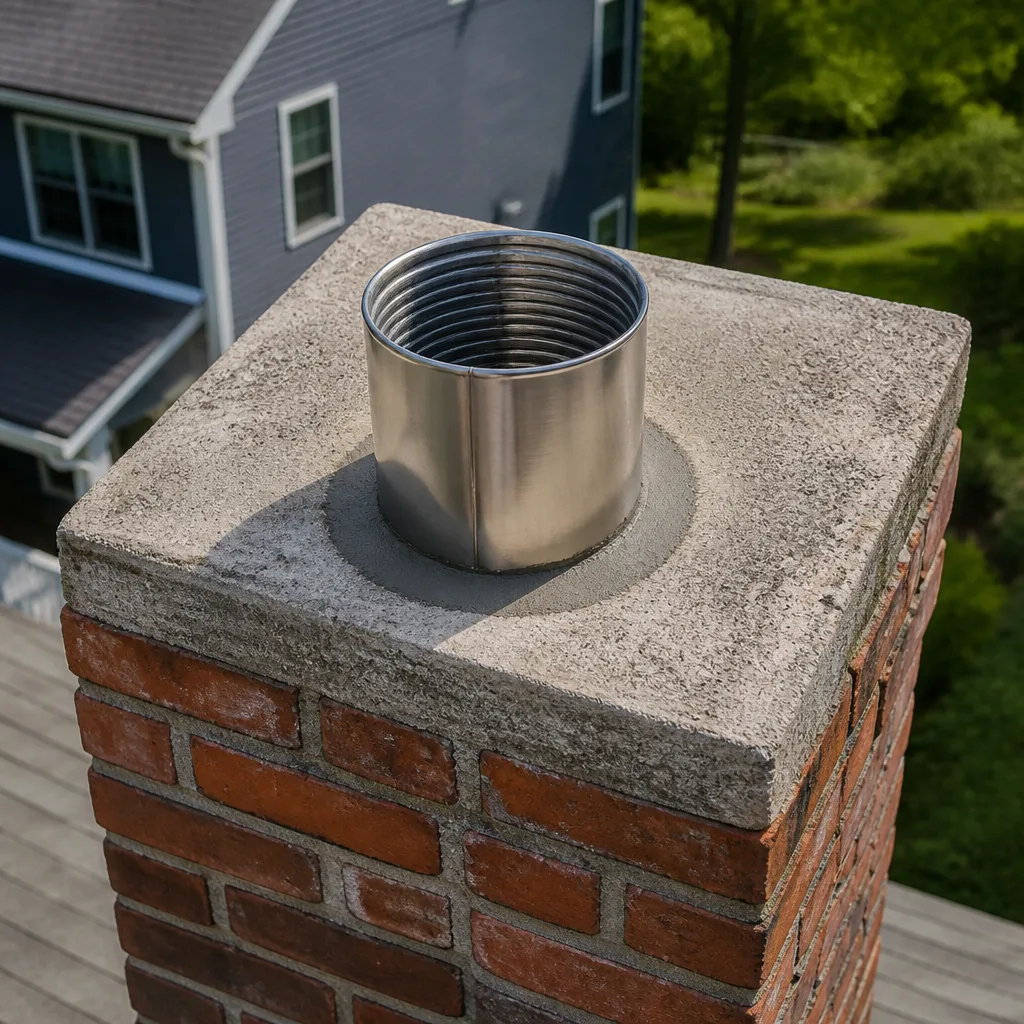 Flue relining
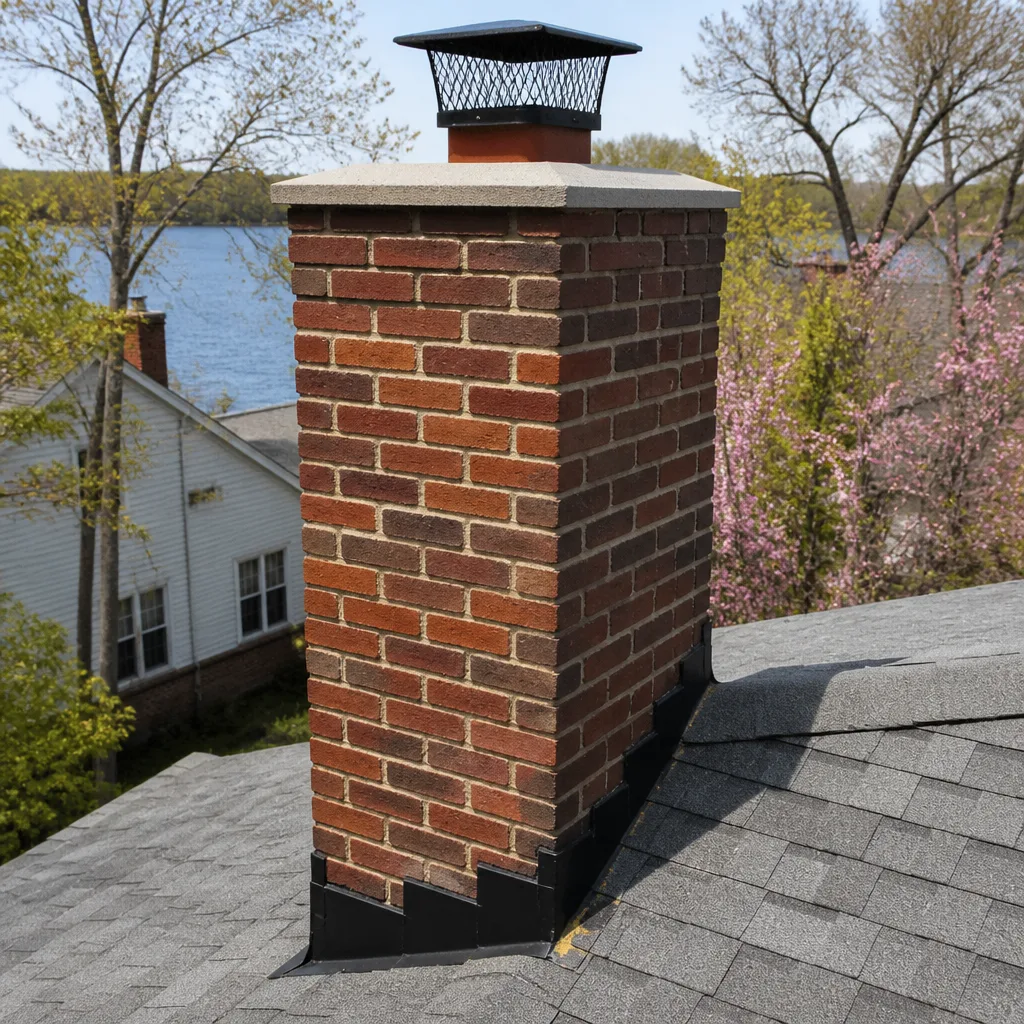 Masonry repair
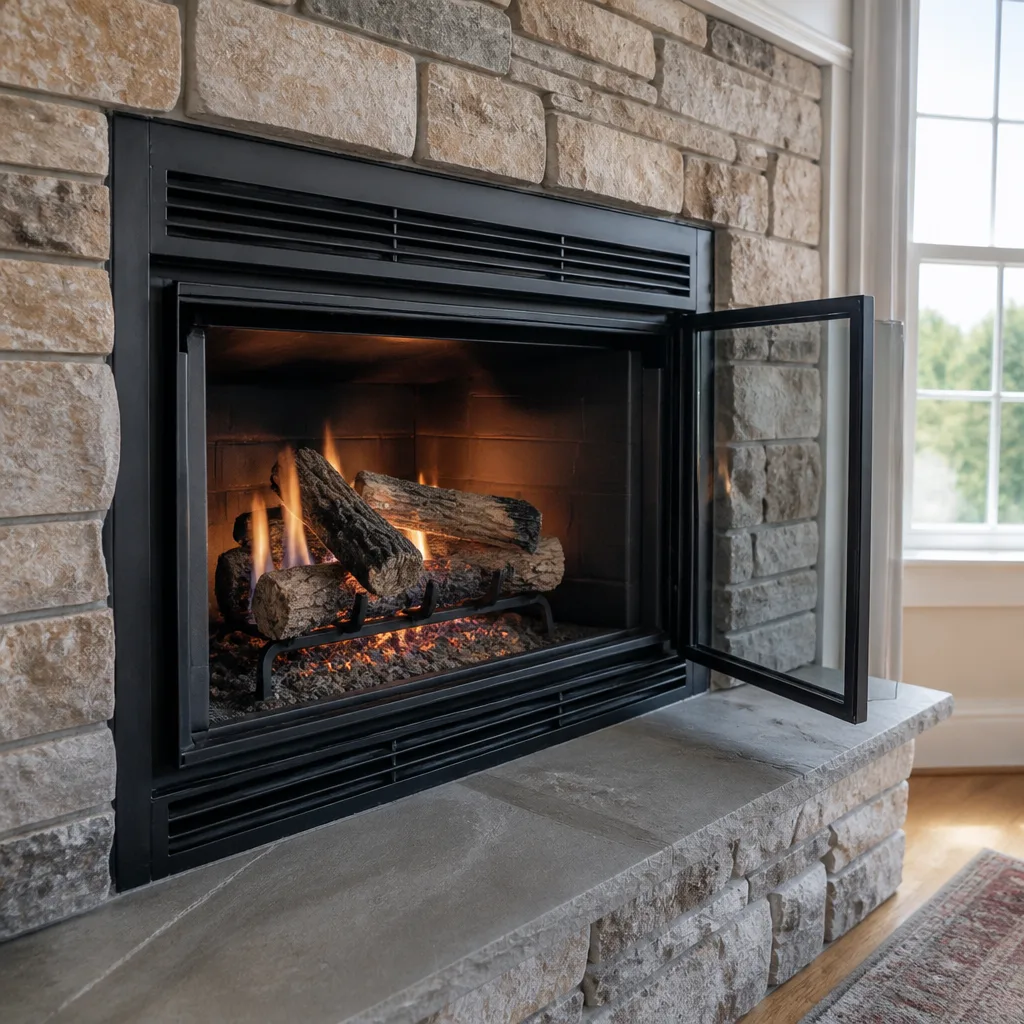 Gas fireplace service
Level 1 sweep and inspection to the NFPA 211 annual standard - flue, crown, cap, and flashing checked and photographed
Chimney sweep logs do not sweep chimneys. They loosen some creosote - which then falls where a brush and vacuum still have to collect it.
Chimney Sweep Maintenance Checklist for Allen Homeowners
Most chimney checklists are written for a house in New England and mailed to Texas, which is why they miss the thing that actually damages flues here: water, not fire. A missing cap through one spring of Collin County hail and wind does more harm than a winter of ordinary burning, and it does it quietly. This guide is built differently. It ranks every maintenance task by the consequence of skipping it, from the cap on your roof to the damper in your firebox, so you can monitor your own chimney between visits instead of waiting to be told something’s wrong. Allen homeowners get a checklist written for Allen weather.
Quick Answer
A chimney maintenance checklist for an Allen home should cover four layers: what you check yourself monthly (cap, crown, damper, firebox), what you inspect after every hail or high-wind event, what you document with photos year over year, and what always belongs to a trained sweep. Book a professional sweep and inspection once a year, and handle only the visual, no-tools checks yourself. Everything involving the roof, the flue interior, or the firebox masonry above your reach needs a specialist.
Styles & brands we work with
- Sweep & inspection
- Caps & crowns
- Flue relining
- Masonry repair
- Gas fireplace service
Table of Contents
- Why This Checklist Is Ordered by Consequence, Not Convenience
- The Monthly Ground-Level Visual Check
- The Post-Storm Protocol for Allen Hail and Wind
- Testing Your Damper Before the First Fire
- Documenting Your Chimney Year Over Year
- DIY-Safe Tasks vs. Jobs for a Certified Sweep
- What the Annual Sweep and Inspection Actually Covers
- Common Mistakes to Avoid
Why This Checklist Is Ordered by Consequence, Not Convenience
A chimney fails in a sequence. First comes water intrusion, usually through a missing or damaged cap. Then the crown cracks and lets more water into the masonry. The liner interior stays damp, creosote bonds harder to the flue walls, and eventually the flue itself starts to break down. By the time a homeowner smells something or sees smoke rollback, the cheap problem has become an expensive one. That sequence is why we rank this checklist by what happens when a task is skipped, not by how often the task is done or where it falls in a calendar.
Allen’s climate pushes that sequence faster in some ways and slower in others than the national checklists assume. Our mild winters mean you’re not fighting freeze-thaw damage to the crown the way northern homeowners are, and you won’t find anyone here talking about frost depth. What we do have is a spring storm season that delivers hail and high wind to Collin County properties, and long, dry summers that dry out masonry and make the crown and cap joints more brittle. A cap knocked loose in May and left off through June is a real problem in Allen. The wind-driven rain does the rest.
So the checklist below starts at the top of the list, not the top of the house: the cap. Then the post-storm protocol, which is the single most neglected item on any chimney maintenance list we’ve seen. Then the tools-free checks you can genuinely do yourself. Then the documentation habit that protects you from being sold work you don’t need. The annual professional sweep and inspection ties it together.
If you only remember one thing from this section: rank your tasks by what breaks next if you skip one, and treat water as the enemy before you treat fire as the enemy. Fire is the dramatic risk. Water is the patient one.
The Monthly Ground-Level Visual Check
A monthly visual check takes five minutes from your yard and two minutes from inside your firebox, and it catches most of the early warning signs before they become repair work. You need no tools for the ground-level part, and no ladder. Binoculars help on a two-story roof but aren’t required on a single-story Allen home.
From the ground, look for these specific things:
- The cap. Is it still sitting square on top of the flue? A cap that’s tilted, missing a screen panel, or gone entirely is the highest-priority find on this list.
- The crown. The concrete or masonry slab at the top of the chimney should be intact, with a slight slope away from the flue. Look for visible cracks, crumbling edges, or a crown that’s separated from the flue tile.
- Flashing. The metal where the chimney meets the roof. Look for lifted edges, rust streaks down the roof, or gaps you can see from the ground with binoculars.
- The chimney exterior. Spalling brick (flaking faces), white chalky staining (efflorescence, a sign of moisture moving through the masonry), or missing mortar joints.
- Tree limbs. Allen’s live oaks and pecans grow through the year. A limb that’s grown into contact with the cap or crown is a wind event waiting to become a chimney problem.
From inside the firebox, with no fire lit and the damper open, look up with a flashlight. You’re checking for visible cracks in the firebox masonry, crumbling mortar joints, a damper that won’t move freely, and any staining or water tracks running down the flue walls. Look at the smoke shelf at the back of the firebox for debris. Any of those findings is a call to a sweep, not a DIY project.
Keep a note of what you find each month on your phone. The pattern over a year tells you more than any single snapshot.
The Post-Storm Protocol for Allen Hail and Wind
After any hail event or high-wind storm in Allen, do a chimney-specific inspection within a few days, before you use the fireplace again. Roof damage gets the attention after a Collin County storm. The chimney is the part of the roof system most likely to be damaged by wind and least likely to be noticed, because a dislodged cap or a cracked crown doesn’t leak into your living room on day one. It leaks into the flue.
Here’s the protocol, in order:
- Ground-level walk-around. Confirm the cap is still on and square. Look for new cracks in the crown, fresh rust on the flashing, and any fallen debris (shingles, tree limbs, gutter pieces) on the roof near the chimney.
- Interior check at the firebox. Open the damper and look up with a flashlight for water staining, fresh cracks in the firebox masonry, or debris that’s fallen down the flue. Debris in the firebox after a storm is a strong sign the cap screen failed.
- Smell check. After a storm, a damp chimney smells musty or smoky. That smell means moisture reached the flue and the creosote in it. Don’t light a fire until a sweep has inspected.
- Document with photos. Shoot the same angles from the ground that you shot in your last log entry. Save the photos with the storm date. If a roofer or insurance adjuster needs proof of pre-storm condition later, you’ll have it.
- Schedule an inspection if any of the above turned up a finding, or if the storm produced hail large enough to damage shingles. The same hail can crack a masonry crown.
Hail in North Texas doesn’t need to be golf-ball sized to do chimney damage. A crown that’s twenty years old and starting to weather is already vulnerable to a direct hit. We’ve seen post-storm inspection requests in Allen where the only visible sign from the ground was a slightly offset cap, and the crown underneath was cracked clean through when a sweep got up top. That’s a job for a chimney specialist, not a general handyman.
For a full-service sweep and inspection that includes a photo of what the sweep found, call chimney sweep services like ours. We find it and fix it in the same visit.
Testing Your Damper Before the First Fire
Test your damper before the first fire of the season, every year, because a damper that sticks open all summer is a direct path for humid Allen air into your flue. The test is simple and you can do it yourself without tools.
Open the firebox doors and look up at the throat of the chimney (the area just above the firebox opening). You’ll see the damper plate, a metal flap on a hinge or a rotating shaft. Reach up and move it by hand:
- It should open fully to a near-horizontal position, and close to a near-vertical seal against the frame.
- It should move smoothly through the full range without grinding, sticking, or requiring force.
- It should stay where you put it. A damper that flops closed under its own weight won’t stay open once fire is burning, and smoke will roll back into the room.
- Look at the seal. A visible gap between the plate and the frame when closed means the damper is leaking heat up the flue year-round and pulling humid air down into the firebox.
While you have the damper open, look up the flue with a flashlight. You’re checking for a visible buildup of creosote on the flue walls (a black, shiny, or crusty coating), debris (twigs, leaves, a bird’s nest), and cracks in the flue tile. Creosote buildup and cracks are both sweep-and-inspect findings, not something to scrub at yourself. The flue is above your reach and the flue walls are load-bearing for the chimney. Get a specialist.
If your damper sticks or the seal is worn, that’s a repair job. Those are within the scope of the chimney repair work a specialist does. If the damper is frozen shut from rust, don’t force it. Grinding a stuck damper open can damage the frame and the firebox.
Repeat this test once in the fall before your first fire, and again in the spring before you close the fireplace down for the summer. In Allen, the spring test matters just as much as the fall one because you’re sealing against humid air for four months, not cold air.
Documenting Your Chimney Year Over Year
A photo log of your chimney, taken the same way at the same time each year, does two things no other maintenance habit does. It shows you the rate at which things are aging, and it lets you tell the difference between a repair recommendation you should act on and an upsell you should question.
Here’s the system, and it takes less than ten minutes a year:
- Pick five fixed photo positions. Ground level from the front, from each side, a close-up of the cap if you can zoom, and a photo up the flue from the firebox with a flashlight. Mark the positions with a mental note (“from the corner of the fence”).
- Shoot the same photos every spring, after the last cold snap and before you do your first warm-season check. Save them with the year in the filename.
- Keep the sweep’s written inspection report in the same folder, with the date. Our inspection includes a photo report and a written assessment. Keep those.
- Compare year over year, not photograph to photograph. A tiny chip in the crown this year that wasn’t there last year is information. A crown that looks the same three years running is fine.
When a contractor recommends a liner replacement or a masonry rebuild, ask to see the photo evidence and ask how it compares to the previous year’s photos. A legitimate recommendation can be backed with images you can see for yourself. A recommendation that can’t be backed is one to get a second opinion on. In our experience, most Allen homeowners who keep this log can walk into a repair conversation with the sweep and know within minutes whether the recommendation makes sense. Your flue, honestly assessed, is the standard we hold ourselves to. The photo log is how you hold a contractor to it.
If you move, hand the log to the buyer. A documented chimney is a selling point.
DIY-Safe Tasks vs. Jobs for a Certified Sweep
The line between what you can safely do yourself and what needs a chimney specialist is clearer than most homeowners think. Draw it at height and at the flue. Anything on the roof, and anything inside the flue or in the firebox masonry above your reach, is a trained-sweep job.
Safe for you to do:
- Ground-level visual checks of the cap, crown, flashing, and exterior masonry.
- Interior visual checks of the firebox with a flashlight, and the damper function test.
- Keeping the firebox clean of ash and debris between fires.
- Having a cap screen that’s loose re-seated by hand if you can reach it from a stable ground-level position (never from a ladder).
- Documenting condition with photos and keeping the year-over-year log.
- Keeping tree limbs off the chimney cap, and scheduling a tree trim before you schedule a sweep.
Jobs for a certified sweep only:
- Climbing the roof to inspect or repair the cap, crown, or flashing.
- Any work inside the flue, including cleaning, lining, and relining.
- Cracked or crumbling firebox masonry and refractory panels.
- Damper repair when it’s stuck, seized, or needs replacement.
- Replacing a damaged flue liner with a DuraFlex or similar professional-grade liner system.
- Resurfacing a flue interior that’s deteriorating, which is where a HeatShield-style repair comes in.
- Any repair to a damaged masonry crown or chimney exterior.
The reason to keep that line firm is straightforward: the flue is a load-bearing structure and the roof is a fall hazard. A homeowner with a good ladder and the right attitude can turn a routine check into a hospital visit. The checklist should keep you off the roof and in the yard.
What the Annual Sweep and Inspection Actually Covers
An annual chimney sweep and inspection in Allen is not just a brush down the flue. It’s a top-to-bottom assessment of the chimney system, including the parts that don’t burn anything. Here’s what a professional sweep and inspection should actually include.
The sweep covers:
- Removing creosote and soot from the firebox, damper, smoke chamber, smoke shelf, and flue.
- Clearing debris from the flue (leaves, twigs, bird nests, old liner fragments).
- Cleaning the smoke chamber and smoke shelf, which are often the most neglected surfaces in a working wood-burning fireplace.
The inspection covers:
- Exterior: cap, crown, flashing, exterior masonry, and the chimney chase.
- Interior: firebox masonry, damper operation, flue liner condition, and any sign of water intrusion.
- Appliance connection: how your stove or insert or gas appliance connects to the flue, and whether the venting matches the appliance.
- Draft and safety: whether the chimney is capable of drafting safely, and whether any part of it is at risk of structural failure.
The inspection comes with a written report and a photo record of what was found. If a liner replacement or a structural repair is genuinely needed, the specialist should be able to show you why in the photos and describe what happens if the repair waits. Sometimes work can safely wait until next year. Saying so is part of a good inspection. You shouldn’t be told you need a relining when the flue is fine, and you shouldn’t be told everything is fine when you’re a season away from a hidden failure.
We work with professional-grade trade brands for the repairs that do come up: DuraFlex for liner systems, HeatShield for flue resurfacing, Olympia Chimney and Copperfield for liners and venting, and Famco for chimney caps and accessories. These are the trade-spec products specified by certified engineers for modern venting and safety, not the generic substitutes you’ll find on a big-box shelf. The brand matters because the warranty and the service life both depend on matching the right product to your flue’s actual dimensions and condition.
One visit for sweep, inspect, and repair means you don’t have to call a second contractor when the sweep finds something. That’s the whole point of a sweep-inspect-repair cycle run by one company. Your chimney gets one specialist and one report, not a hand-off.
Common Mistakes to Avoid
- Skipping the post-storm check. The most common mistake we see in Allen is treating storms as a roof problem only. Hail and wind hit the chimney cap and crown first, and the damage isn’t visible from the living room.
- Leaving a missing cap off for a season. A cap that’s knocked loose in a spring storm and not replaced by summer can let enough wind-driven rain into the flue to damage the liner. The cost of a cap is trivial next to the cost of a relining.
- Burning under a full-open damper in summer. A damper left open in July pulls humid Allen air into the flue. That’s one of the ways creosote in the flue gets its moisture content up and starts bonding to the liner.
- Assuming a masonry fireplace is fine because the brick looks fine. The interior of the firebox and the flue can be in poor condition while the exterior brick is spotless. The interior is where the fire actually works.
- Letting a contractor tell you a liner is bad without seeing the photos. If a recommendation can’t be backed by photo evidence, ask for it before scheduling work. Any honest sweep will have it ready.
- Cleaning the flue yourself. A brush on a pole from the roof isn’t a chimney sweep. It misses the smoke chamber, the smoke shelf, and the flue offset where creosote actually collects, and it’s a roof fall waiting to happen.
- Waiting for a smell or smoke rollback to book the annual service. By the time you notice either, the flue has already been telling you for a season. The once-a-year sweep is the cheaper path, and it’s the one that keeps the log current.
See the difference
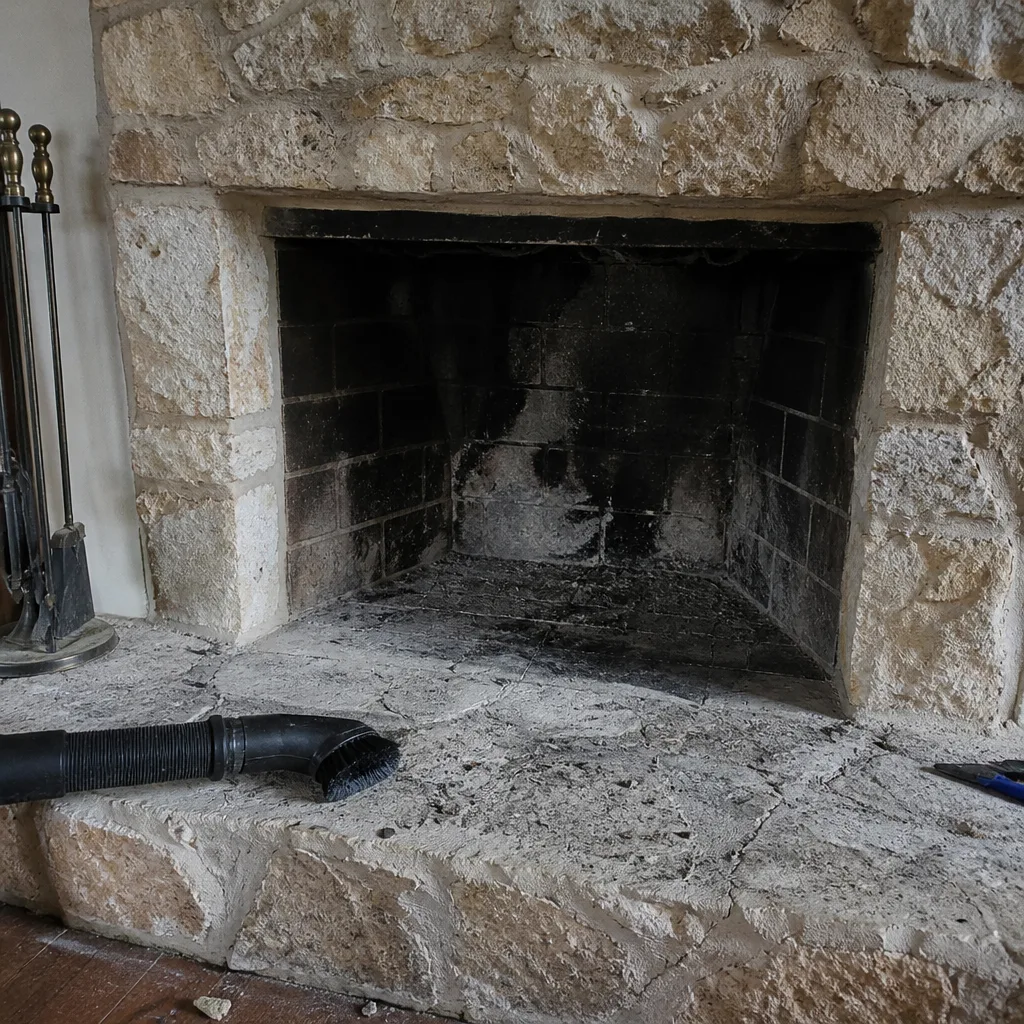 Before
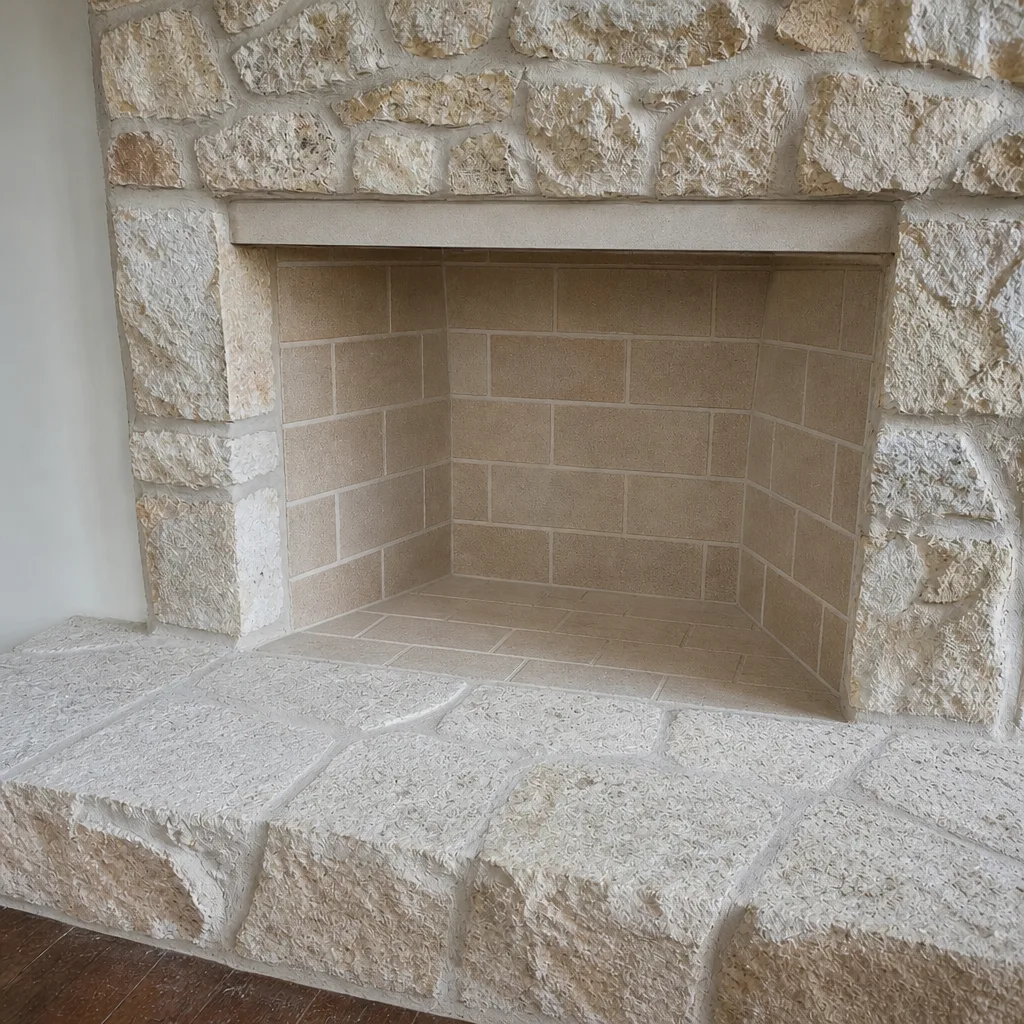 After
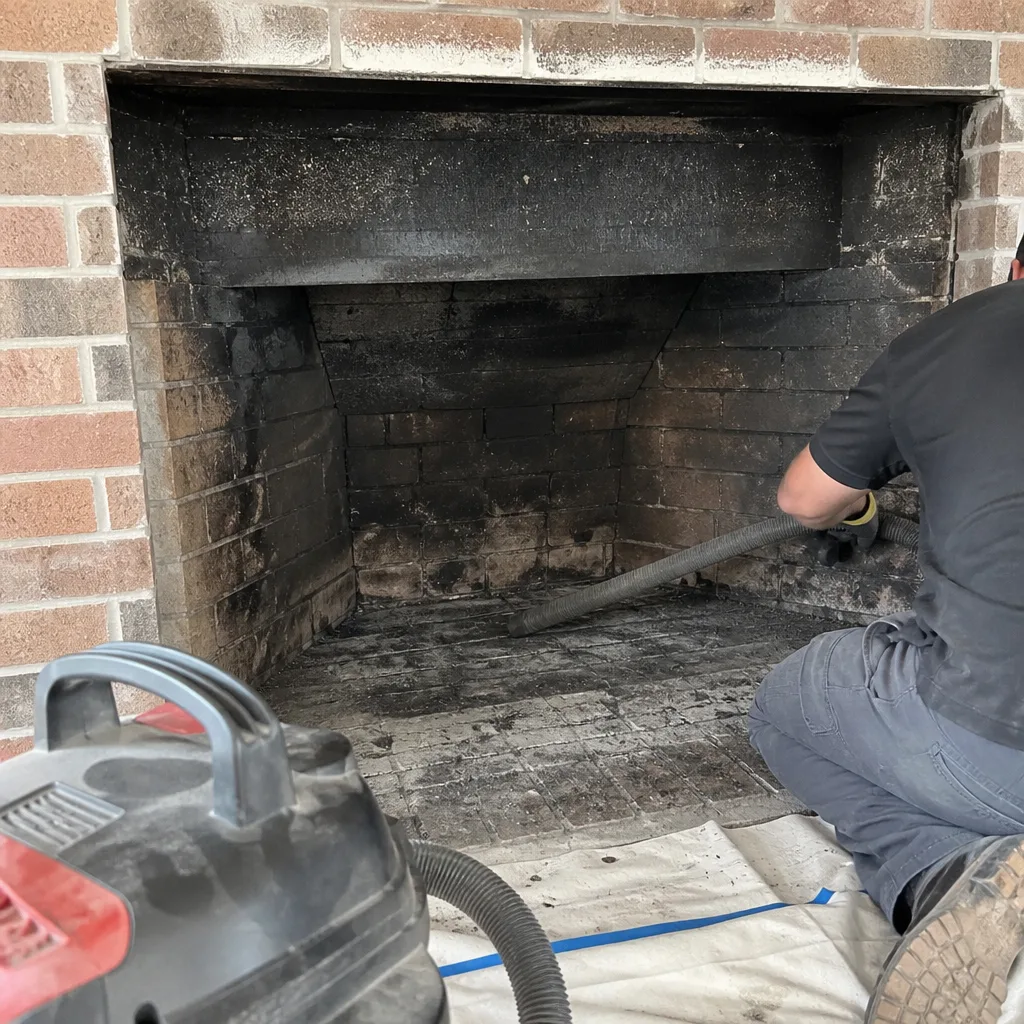 Before
 After
 Before
 After
When to Call a Professional
Call a professional sweep when any of these are true: your annual maintenance date has come around; a hail or high-wind storm has hit your Allen property since your last inspection; you smell smoke, musty air, or a chemical odor in the house when the fireplace isn’t burning; smoke rolls back into the room when you light a fire; the damper is stuck or won’t seal; you see cracks or crumbling in the firebox or the crown; or you’ve never had the chimney inspected since you bought the house. Also call before you repair a flue liner or schedule relining work, because a liner is a specialist job and the wrong product for your flue voids the warranty. For an honest assessment you can see for yourself, call a chimney specialist, not a handyman. Allen Chimney Cleaning offers free estimates in Allen. Call (855) 965-4730. We answer 24/7. Fast dispatch from 7am to 7pm, Sunday through Friday, closed Saturday.
Frequently Asked Questions
An Allen chimney with a wood-burning fireplace, insert, or stove should be swept and inspected once a year. Homes that burn frequently through the heating season, or that use a wood stove as a primary heat source, sometimes need a mid-season brushing as well. The post-storm inspection is a separate, additional check after hail or high wind. Call (855) 965-4730 for an exact quote. Estimates are free.
Yes. A missing cap lets rain, hail, and debris directly into the flue, and in Allen’s storm season that happens fast. Water in the flue damages the liner, bonds creosote to the walls, and can void a liner warranty. A cap replacement is one of the cheapest repairs on a chimney, and one of the most important. Call (855) 965-4730 to book a sweep and cap inspection. Estimates are free.
Check the cap (still square and in place?), the crown (new cracks or crumbling?), the flashing (lifted or rusted?), and the exterior masonry. Then check the firebox from inside with a flashlight for fresh water staining or fallen debris. If the storm produced hail that damaged shingles, assume the crown could be cracked too and book an inspection. Call (855) 965-4730 for an assessment. We answer 24/7. Fast dispatch from 7am to 7pm, Sunday through Friday.
Yes, the damper function test is a homeowner job with no tools required. Open the firebox, look up at the damper, and move it by hand through its full range. If it sticks, seizes, won’t stay open, or has a visible gap when closed, that’s a repair call. Don’t force a rusted damper. Call (855) 965-4730 for damper repair. Estimates are free.
A sweep cleans the flue and firebox of creosote, soot, and debris. An inspection assesses the condition of the whole chimney system: exterior, flue, firebox, damper, cap, and venting. Both should happen on the same visit. If they don’t, you’re getting half the service. For a sweep and inspection in one visit, call (855) 965-4730. Estimates are free.
Ask to see the photo evidence and the written inspection report. A legitimate liner recommendation can be backed by images of cracks, gaps, or deterioration in the flue. If the contractor can’t show you, get a second opinion. Our inspections include a photo report so you can see what we see before any repair is scheduled. Call (855) 965-4730. Estimates are free.
The Bottom Line
A chimney is a system that fails in a predictable order, and the maintenance checklist that matters is the one ordered by failure consequence. Check the cap and crown monthly from the ground. Run the post-storm protocol after every Allen hail or wind event, before the next fire. Test your damper before the first fire. Keep a photo log year over year so you can tell real repair recommendations from upsells. Draw the DIY line firmly at the roof and the flue, and let a chimney specialist handle anything above your reach. Book the annual sweep, inspection, and any repair as one cycle with one specialist, using trade-spec materials that match your flue. Allen homeowners who do this rarely get surprised. Call (855) 965-4730 for a free estimate. We answer 24/7. Fast dispatch from 7am to 7pm, Sunday through Friday, closed Saturday.
Written by the team at Allen Chimney Cleaning.