
Last updated November 16, 2026
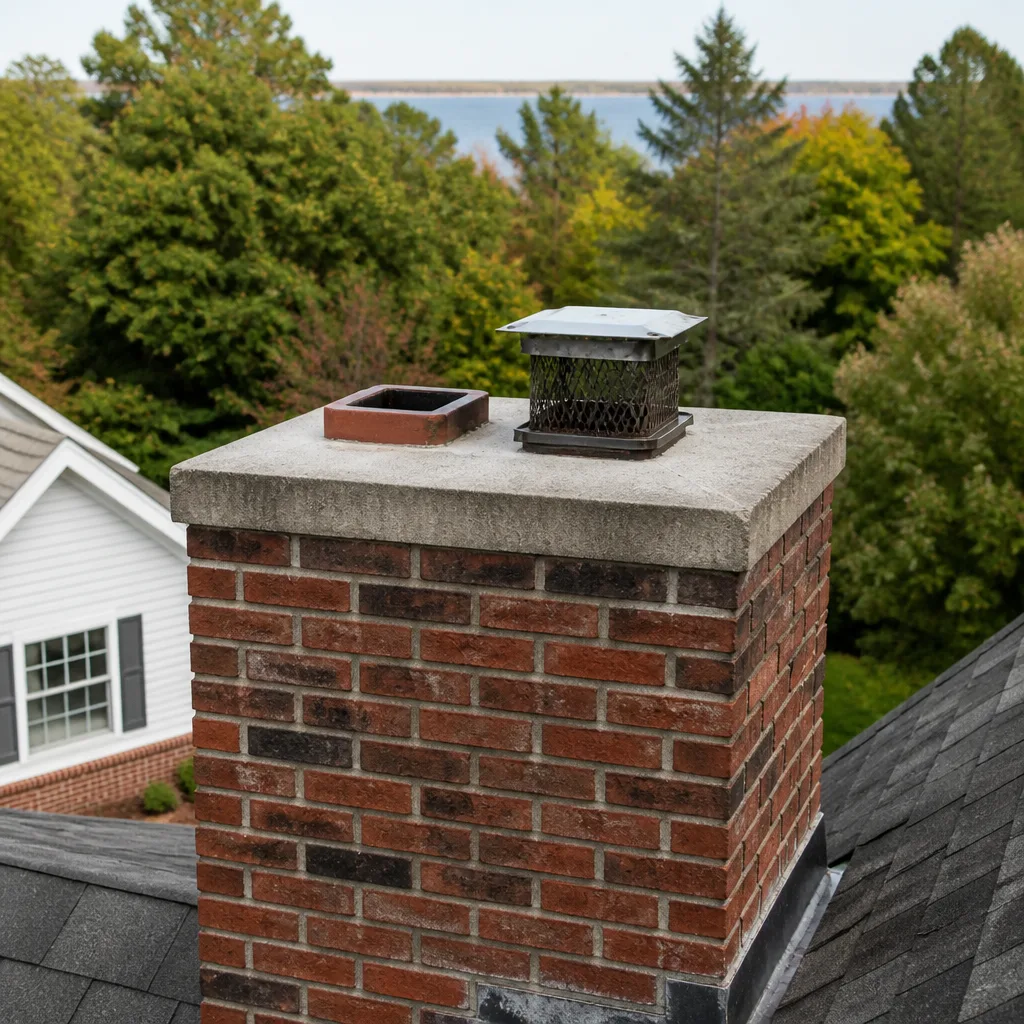 Sweep & inspection
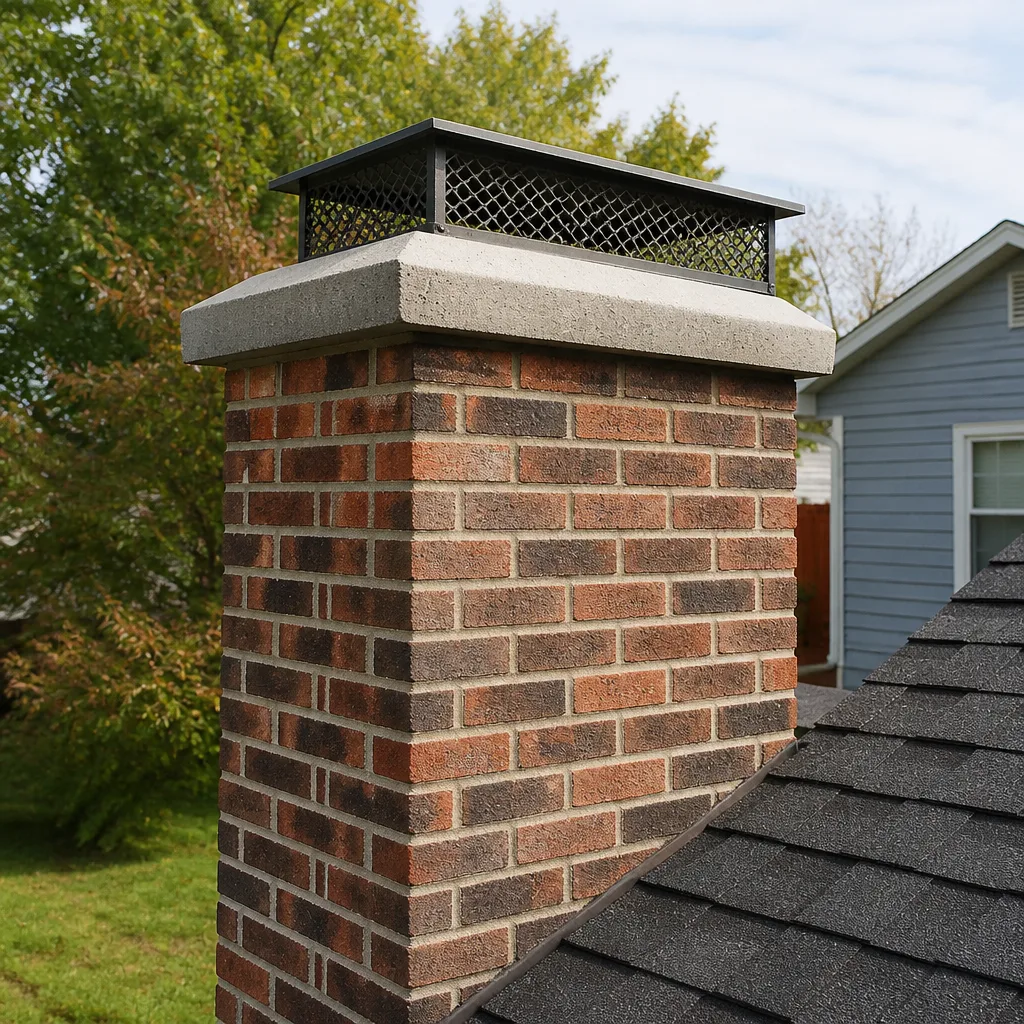 Caps & crowns
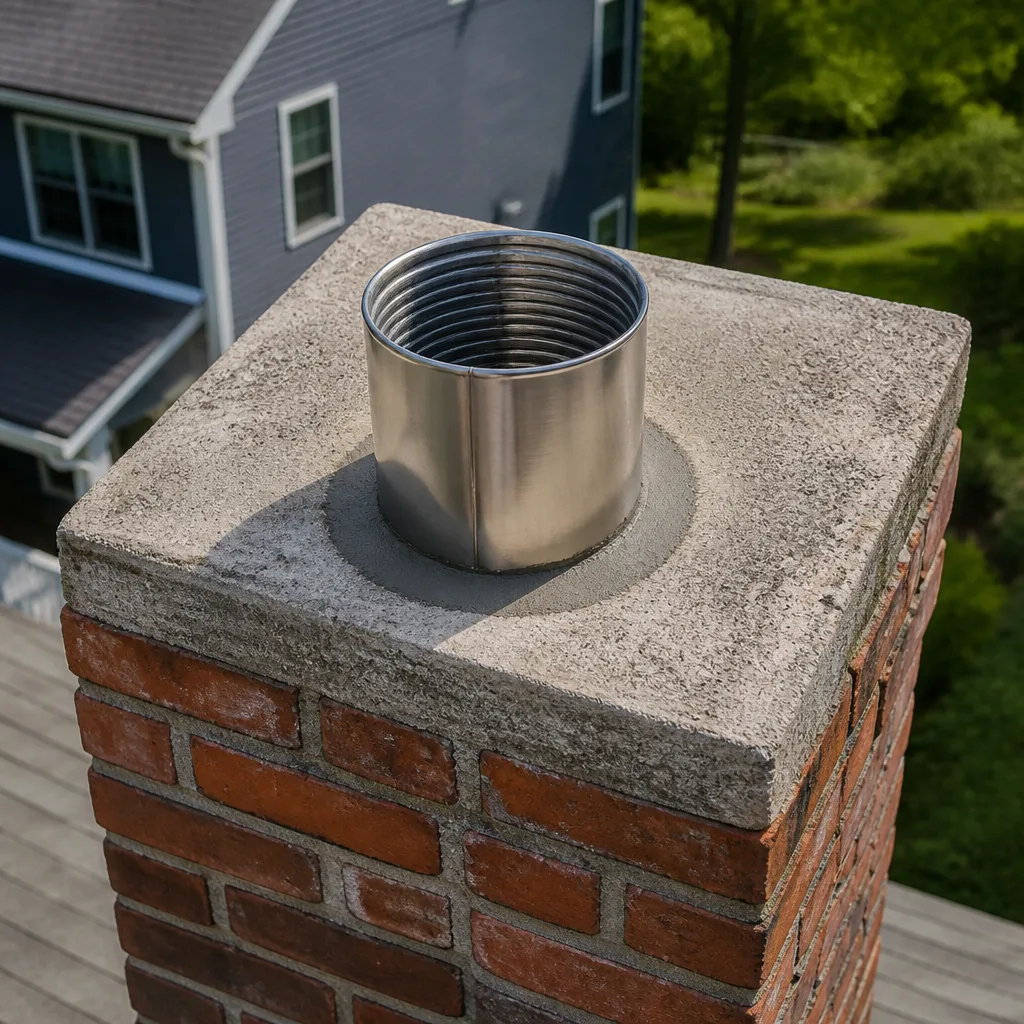 Flue relining
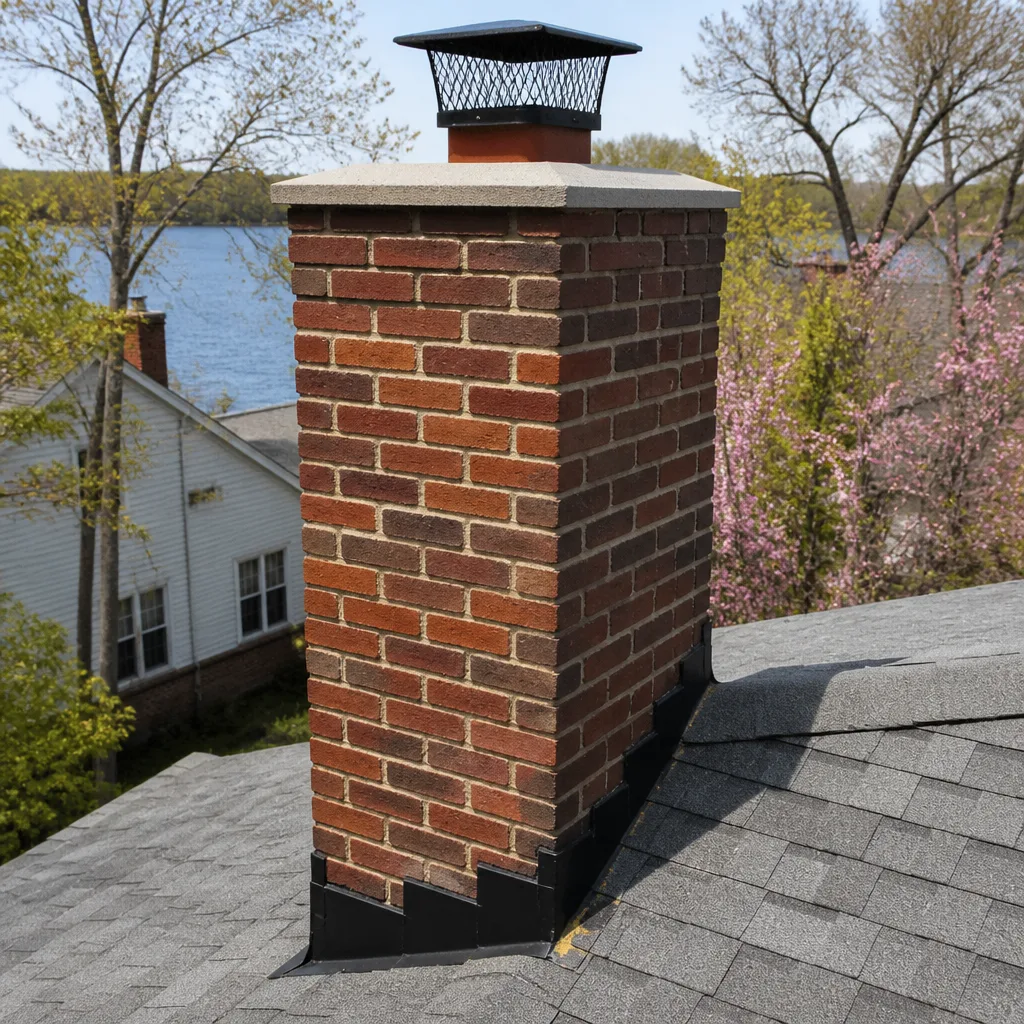 Masonry repair
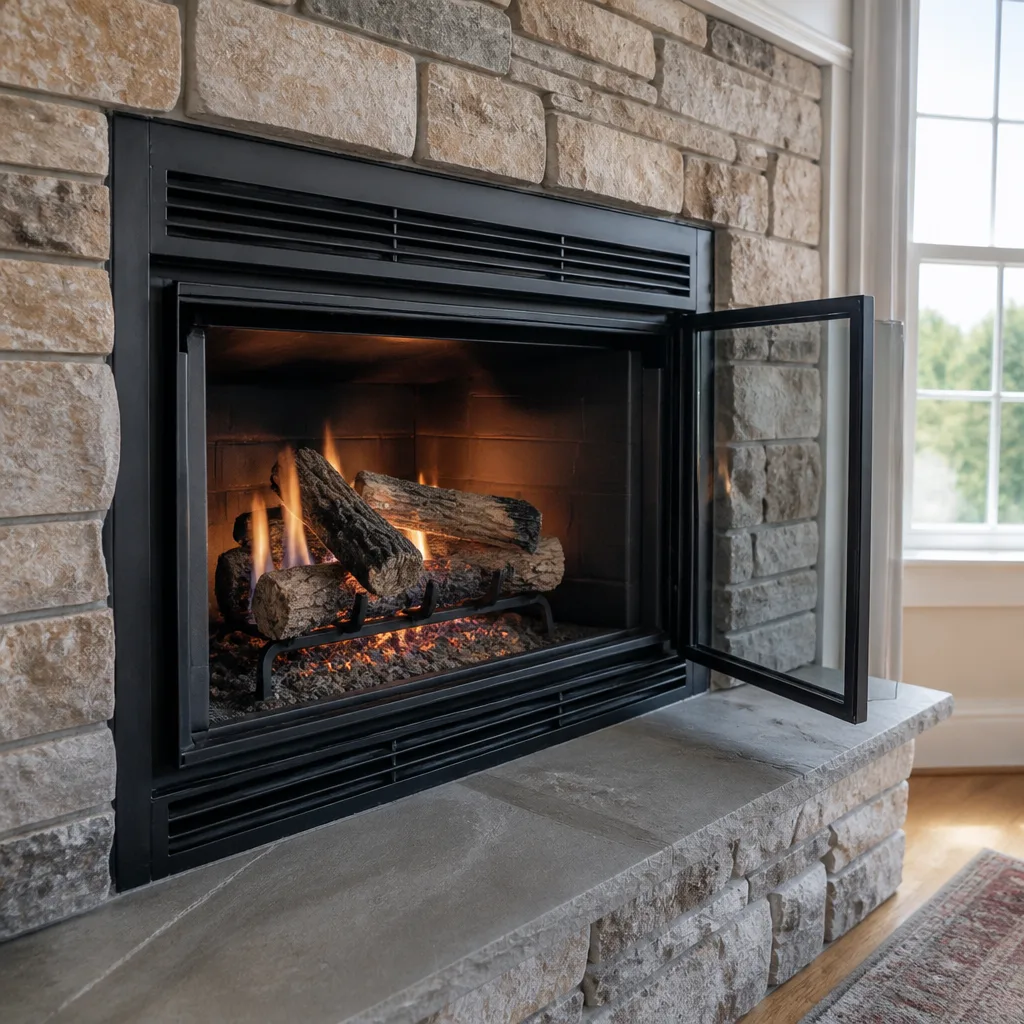 Gas fireplace service
Level 1 sweep and inspection to the NFPA 211 annual standard - flue, crown, cap, and flashing checked and photographed
Chimney sweep logs do not sweep chimneys. They loosen some creosote - which then falls where a brush and vacuum still have to collect it.
Chimney Cleaning Permits, Codes & Inspections in Allen, TX: What You Need to Know
Most homeowners assume a chimney is a chimney, and that whatever paperwork applies to a new roof or a room addition doesn’t apply to the flue. That assumption holds for a routine sweep. It falls apart the moment a liner goes in, a firebox gets rebuilt, or a cap gets replaced. A stainless steel liner installation done without an Allen building permit isn’t a code technicality a future buyer will overlook. It’s a gap an insurance adjuster can point to when a fire-damage claim lands on their desk, because unpermitted work quietly voids the assumption that the chimney meets code. This guide maps exactly where the permit line sits in Allen, which jobs stay maintenance-exempt, how the Collin County process actually works, and what records to keep so your paperwork is clean if you ever sell or file a claim.
Styles & brands we work with
- Sweep & inspection
- Caps & crowns
- Flue relining
- Masonry repair
- Gas fireplace service
Quick Answer
In Allen, routine chimney sweeping and Level 1 visual inspections do not require a building permit. Chimney repairs that change the structure or venting system, including liner replacement, firebox rebuilding, crown reconstruction, and chimney cap installation, typically do require a permit through the City of Allen’s building department. NFPA 211 and the International Residential Code set the technical standard those permits enforce, and keeping inspection records from every visit is what protects you at resale and during an insurance claim.
Table of Contents
- Where the Permit Line Sits in Allen
- How to Pull a Chimney Repair Permit in Collin County
- NFPA 211 and IRC: What the Codes Actually Require
- The Three Levels of Chimney Inspection
- How Inspection Records Affect Insurance Claims
- The HOA Dimension in Allen
- When to Call a Professional
- Frequently Asked Questions
Where the Permit Line Sits in Allen
The permit question comes down to one word: maintenance or modification. Cleaning soot and creosote out of a flue that’s already built to code is maintenance. Changing the flue itself, or the structure around it, is a modification, and Allen treats that as construction work. Homeowners who understand the split avoid two opposite mistakes: pulling a permit they didn’t need, or skipping one they did.
Here’s how the line typically falls in Allen:
- Maintenance-exempt (no permit): routine sweeping, Level 1 visual inspection, removing a bird nest or debris blockage, replacing a damper that’s a direct swap, and standard cap cleaning.
- Typically requires a permit: stainless steel liner installation, firebox rebuild or resurfacing with a castable product like HeatShield, crown repair or replacement, chimney chase structural work, and new cap installation when it fastens into the masonry or chase.
- Case by case: flue tile replacement, damper replacement that requires cutting into the firebox, and any repair that touches the roof structure around the chimney.
The 2026 housing stock matters here. Much of the Allen housing built through the 1990s and 2000s has factory-built fireplaces with metal chimneys behind the wall, and those systems have specific manufacturer venting requirements. When a liner or chase component gets swapped, the work has to match the original listing, and that’s exactly the kind of job a permit exists to verify. When in doubt in Allen, call the city’s building department with the address and describe the job in one sentence. They’ll tell you quickly whether a permit applies.
How to Pull a Chimney Repair Permit in Collin County
A permit is not something to be afraid of. It’s a paper trail that proves the work meets code, and it’s the thing a buyer’s inspector will look for when you list the house. Vague advice to “check with your city” doesn’t help, so here’s the actual sequence for a chimney repair permit in Allen.
- Confirm the scope in writing. Before anything is filed, you need a written description of what’s being repaired: liner replacement, crown rebuild, firebox resurfacing, or cap installation. Your contractor should spell out the materials (for example, a DuraFlex liner system, an Olympia Chimney cap, or a Gelco crown product) and the venting specifications.
- Contact the City of Allen building department. Allen issues residential building permits through its permitting office. Ask which permit type fits a chimney repair and what documentation they want. Most chimney structural work is filed under a residential building permit.
- Submit the application with drawings and product specs. A liner or cap installation usually needs the manufacturer’s installation instructions and a product data sheet showing the listing and venting classification. This is where brand matters: trade-spec products come with the paperwork a plan reviewer wants.
- Pay the permit fee. Fees for residential repair permits in Allen vary by scope and valuation. The building department quotes the fee at application, so ask before you file.
- Schedule the inspection after the work is done. The inspector verifies the finished installation against the approved plans and the product listing. Keep the signed inspection card.
If the repair is part of a larger renovation or a new roof, the chimney work can often ride on the main permit as a sub-item. Talk to your general contractor about that before filing separately. Either way, the documentation you keep at the end is the point.
NFPA 211 and IRC: What the Codes Actually Require
Two documents govern nearly every chimney in Allen: NFPA 211, the national standard for chimneys, fireplaces, vents and solid fuel appliances, and the International Residential Code, or IRC. Allen’s building department adopts the IRC locally, which means the code requirements you see in the permit packet trace back to that national standard. You don’t need to read either one cover to cover. You need to know what they actually require so you can tell whether a contractor’s quote makes sense.
In plain terms, those standards require:
- Proper clearance from combustibles. A wood-framed chase and the chimney inside it must maintain the listed clearance to the venting system. Cracks or gaps in that protection are the leading cause of chimney fires that start inside a wall.
- A listed, matched venting system. The flue has to be rated for the appliance it serves. A wood-burning insert needs a properly sized liner rated for wood, and a gas appliance needs a liner rated for gas. Mixing them is where liners fail inspection.
- Structural integrity of the firebox and crown. Cracks in the firebox or in the masonry crown let water into the chimney system and break down the mortar joints over time. Resurfacing products like HeatShield exist to rebuild that surface without tearing the chimney down.
- Cap and spark arrestor requirements. A properly installed cap with a spark arrestor keeps rain, animals and embers out. Many Allen HOAs also have design restrictions on cap style, which we’ll cover below.
- Access for inspection and cleaning. The chimney must be reachable and cleanable, and that’s the practical reason a proper sweep and inspection precede any repair.
For Allen homeowners, the takeaway is simple: if a contractor proposes a repair that doesn’t match these standards, the permit inspection is going to catch it. That’s the code working the way it should. When you’re ready to have your flue assessed honestly, our chimney sweep starts the assessment and we work from there.
The Three Levels of Chimney Inspection
NFPA 211 defines three levels of chimney inspection, and knowing which one you’re getting prevents a lot of confusion and unnecessary work. The level depends on what’s happening with the chimney and the appliance, not on what a salesperson wants to sell you.
Level 1: Routine visual inspection. This is what accompanies a normal annual cleaning. The inspector looks at the readily accessible portions of the chimney and firebox, checking for creosote buildup, blockages, and visible damage. No tools beyond a flashlight and camera, and no parts of the chimney are opened up. If you’ve had no changes to your heating setup, a Level 1 is usually all you need.
Level 2: Accessible portion of the flue. A Level 2 inspection includes a camera scan of the flue interior, which is where problems hide. This level is called for when you buy or sell a home, change the appliance (say, adding a wood-burning insert), have a chimney fire, or when a Level 1 turns up something the inspector can’t see well enough to assess. In Allen, the most common time a homeowner receives a Level 2 is during a real estate transaction.
Level 3: Diagnostic inspection. This is reserved for a known or suspected hidden hazard and may involve opening a wall or removing part of the chimney to see inside. Level 3 is rare and usually follows a Level 2 finding that needs to be confirmed.
The inspection level is separate from the permit question, but they’re connected. A permit inspection is performed by the city to verify the work meets code. A chimney inspection is performed by a chimney specialist to verify the flue is safe and clean. In Allen, those are two different people, two different documents, and you want both in your file.
How Inspection Records Affect Insurance Claims
This is the section most homeowners wish they’d read before the fire. Insurance coverage is written on the assumption that your home meets code. If a chimney fire starts and the investigation turns up an unpermitted liner replacement or a firebox repair that was never inspected, the adjuster can challenge the claim on the grounds that the structure wasn’t compliant. You don’t want that argument to happen after the smoke clears.
The documents to keep after every chimney service in Allen:
- The written inspection report. A real report names what was inspected, what was found, and the condition rating of each component, along with any photos or camera footage.
- The permit and inspection card. If the work needed a permit, keep the approved permit and the signed city inspection sign-off. That’s your proof the structure met code.
- The written estimate and invoice. These show the scope and materials of any repair. If a liner was replaced, the invoice should name the product.
- The sweep record. A dated record of regular sweeping demonstrates ongoing maintenance, which matters if a claim is ever questioned.
In our experience, adjusting a claim is far easier when the homeowner can hand the adjuster a clean paper trail. A chimney specialist that offers sweeping, inspection and repair under one company name makes that trail easier to build, because the sweep and the repair are documented by the same source. When you’re ready to start keeping that record, the chimney repair side of our work is where the documentation gets serious. The estimate is free and nothing is recommended without camera evidence you can see for yourself.
The HOA Dimension in Allen
Many Allen neighborhoods under HOA management regulate the look of anything visible from the street, and the chimney top is visible from the street. Cap style, cap color, and exterior chimney repair materials are the three areas where we see the most friction between a homeowner and the association. If your home is in an HOA, check the governing documents before a repair is scheduled, not after the cap is on the roof.
Typical restrictions in Allen HOAs include:
- Cap style and material. Some associations require a cap that matches the original builder’s style, or prohibit certain painted finishes. Stainless steel caps from brands like Olympia Chimney are common because they look clean and hold up, but the association may still want an approval form.
- Exterior finish matching. If a crown or the exterior chase gets rebuilt, the finish may need to match the original brick or stucco.
- Advance approval for visible repairs. Many HOAs require written approval before exterior work begins, even if the work is otherwise permitted by the city. The permit and the HOA approval are separate processes.
The practical sequence in Allen is this: get the city permit confirmed, then get the HOA approval in writing, then schedule the repair. Doing them in that order avoids the worst outcome, which is a completed repair the association later asks you to change. And if the HOA approval requires photos of the existing cap or crown, your inspection report usually already has them.
When to Call a Professional
Some chimney issues announce themselves. Others sit quiet in the flue until they don’t. Call a chimney specialist in Allen if you notice any of the following:
- Creosote buildup or a smell from the fireplace when it’s not in use, which often points to a draft problem or a blocked flue.
- Smoke rolling back into the room when you burn, which signals an airflow or sizing issue that a sweep alone won’t fix.
- Visible cracks in the firebox, crown or mortar joints, or a damaged cap.
- A chimney fire, even a small one. Even a small one warrants a Level 2 inspection.
- Buying or selling a home in Allen. A Level 2 inspection before closing protects both sides.
- A gas appliance that has never been inspected, or a flue that hasn’t been swept in more than a year.
Allen Chimney Cleaning offers free estimates in Allen, call (855) 965-4730. We answer 24/7. Fast dispatch from 7am to 7pm, Sunday through Friday. We work as chimney specialists, not generalists, which means the sweep, the inspection and the repair are all handled by one company, and you’re not handed off to a second contractor when a problem shows up. Our technicians have up to 12 years of experience, and we work with professional-grade trade brands like DuraFlex, HeatShield and Gelco, the materials specified by certified chimney engineers.
Frequently Asked Questions
No. A routine chimney sweep and a Level 1 visual inspection are maintenance and don’t require a permit in Allen. A permit only enters the picture when the work changes the flue or the structure around it, such as a liner installation or a firebox rebuild. If you’re unsure which category a job falls into, call the City of Allen building department and describe the work in one sentence.
Usually, yes. A liner installation changes the venting system of the chimney, which is construction work and typically requires a residential building permit through the City of Allen. The permit packet generally needs the manufacturer’s installation instructions and a product data sheet showing the liner’s listing and venting classification. Keep the approved permit and the city inspection card in your home records.
NFPA 211, the national standard for chimneys, fireplaces, vents and solid fuel appliances, and the International Residential Code, adopted locally by Allen’s building department. In plain terms, they require proper clearance from combustibles, a listed venting system matched to the appliance, structural integrity of the firebox and crown, and a properly installed cap and spark arrestor. The permit inspection verifies the finished work against those standards.
Once a year for a Level 1 inspection and sweep if you burn wood regularly. A Level 2 inspection, which includes a camera scan of the flue, is called for when you buy or sell a home, change the appliance, or have a chimney fire. If you’ve never had the flue scanned, that’s the first thing to schedule.
It can. Insurance coverage is written on the assumption that your home meets code, and an unpermitted structural repair can be used to challenge a fire-damage claim. The defense is documentation: keep the written inspection report, the permit and inspection card, and the invoice showing the scope and materials of every repair. A clean paper trail makes adjusting a claim far easier.
Yes. Many Allen HOAs regulate anything visible from the street, including cap style and color, and exterior repair materials on the chimney chase. Get the association’s written approval before the repair is scheduled, and confirm the city permit separately. Doing both before work begins avoids being asked to redo a finished job.
The Bottom Line
The permit line in Allen is about whether the job changes the chimney or simply maintains it. Sweeping and Level 1 inspections don’t need a permit. Liner replacement, firebox resurfacing, crown work and cap installation usually do, and the permit is what proves the work meets NFPA 211 and IRC standards. Pull it through the City of Allen building department, keep every inspection report, permit card and invoice, and check your HOA documents before scheduling exterior work. That paper trail is what protects your home, your resale and your insurance claim. When you’re ready, our Allen Chimney Cleaning team handles the sweep, inspection and repair under one company name. Our technicians have up to 12 years of experience, and we work with professional-grade materials so we can find it and fix it in the same visit.
Call (855) 965-4730 for a free estimate. We answer 24/7. Fast dispatch from 7am to 7pm, Sunday through Friday.
If you’re comparing local providers, our Allen page explains what we do and how to reach us.
Written by the team at Allen Chimney Cleaning.
See the difference
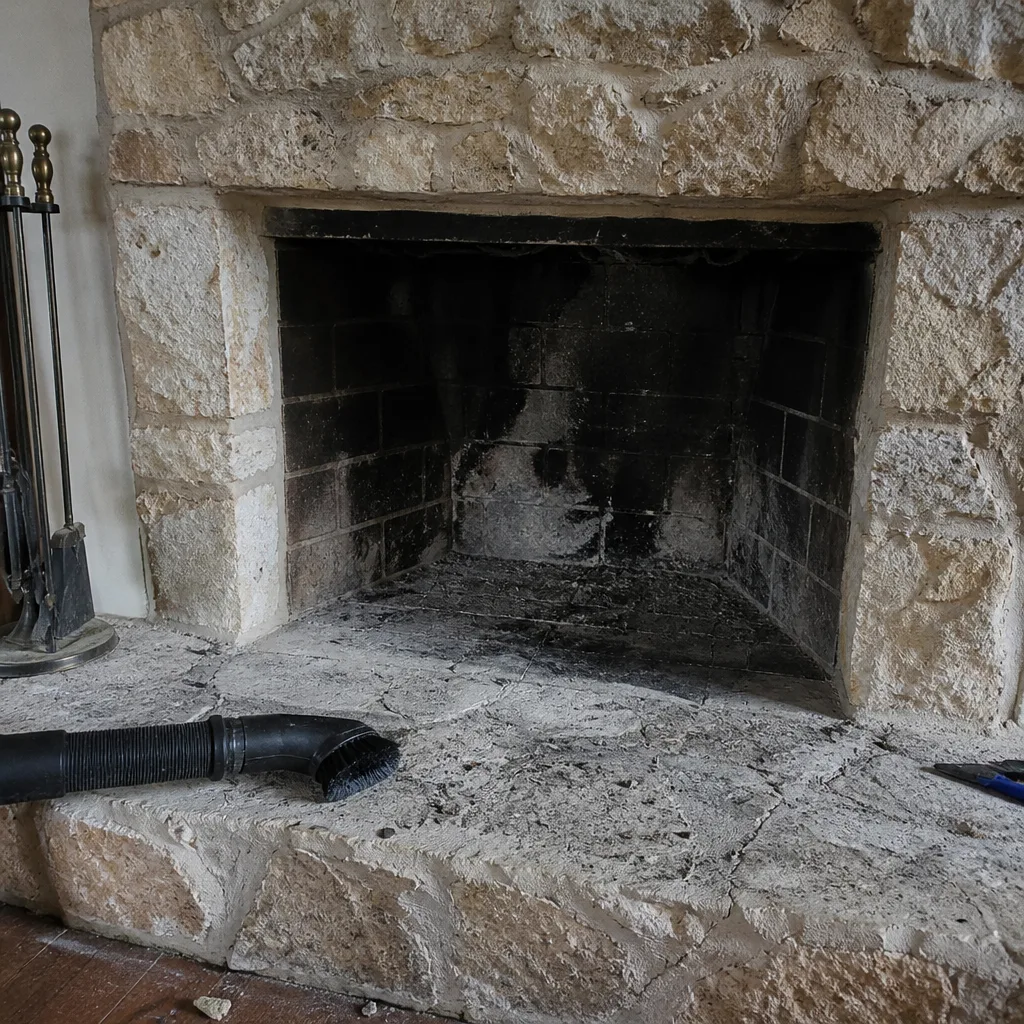 Before
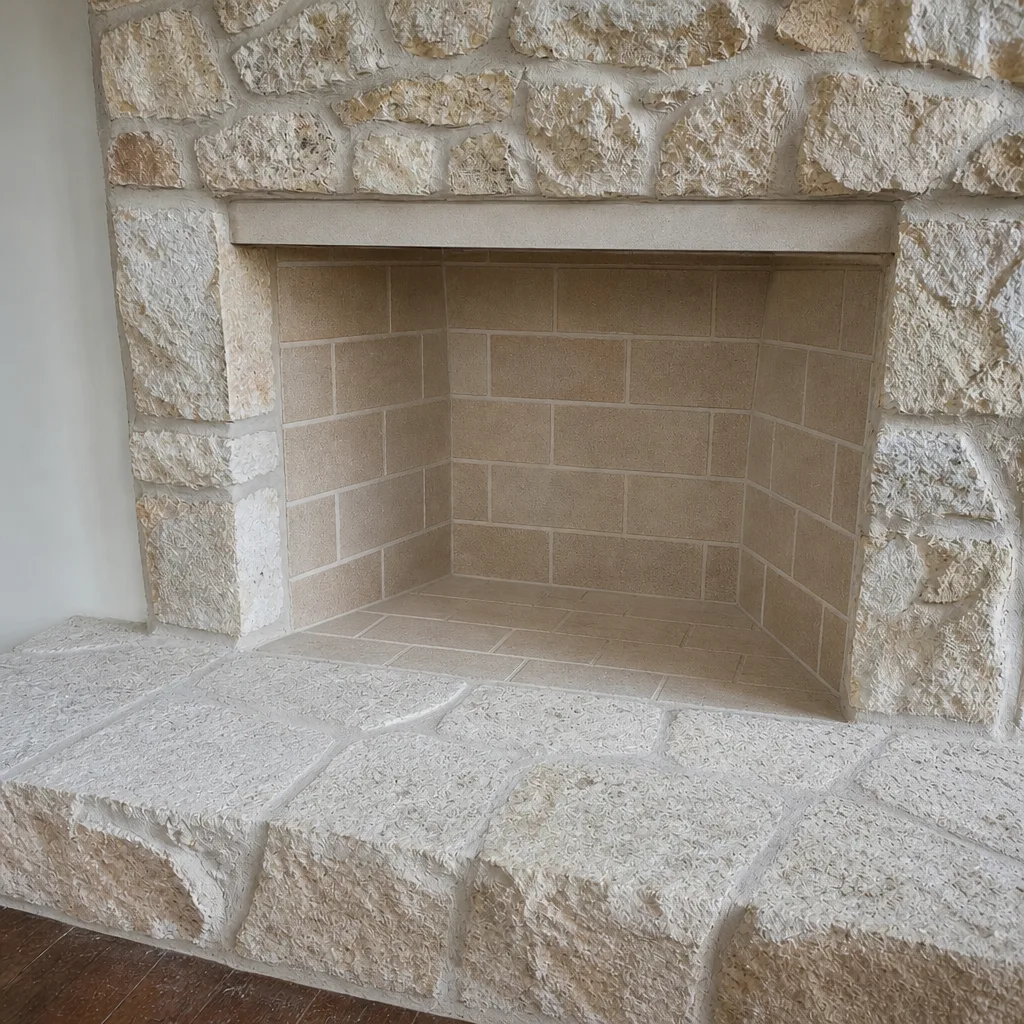 After
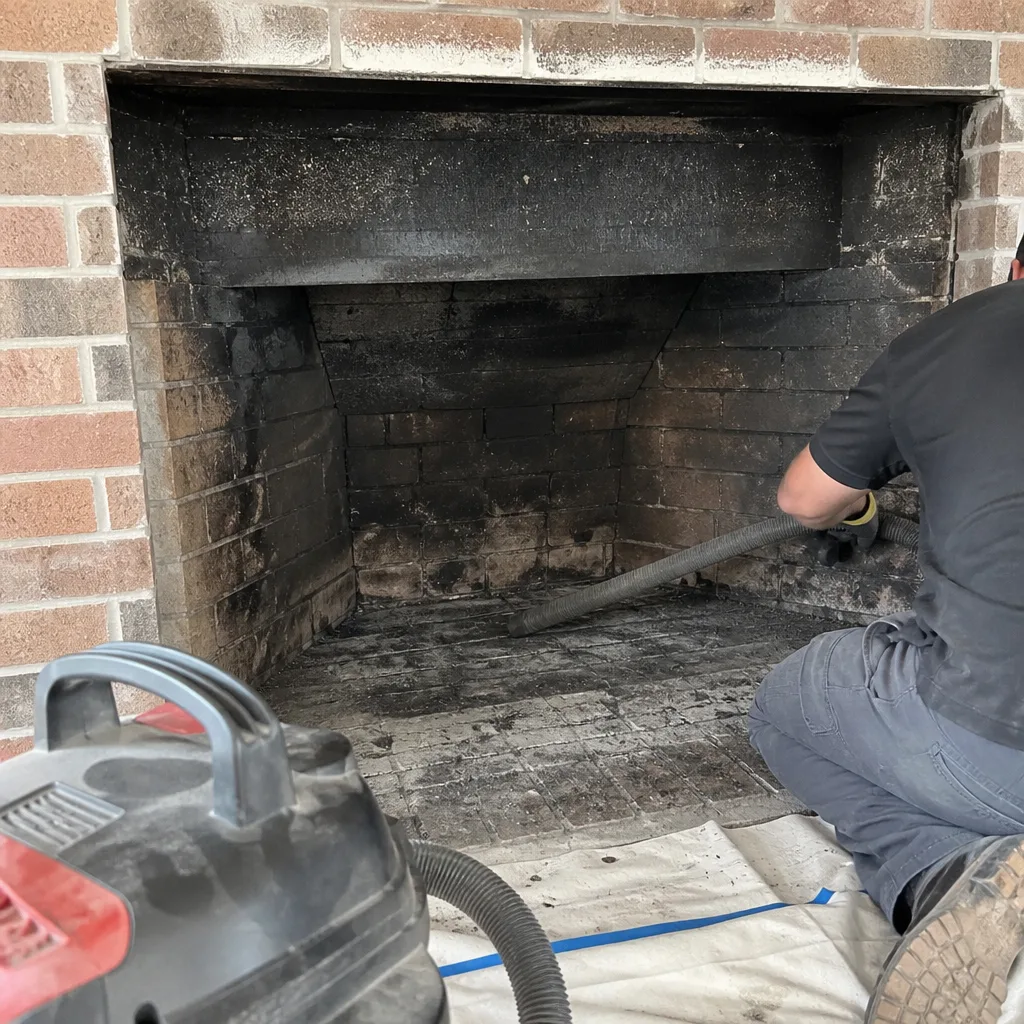 Before
 After
 Before
 After