
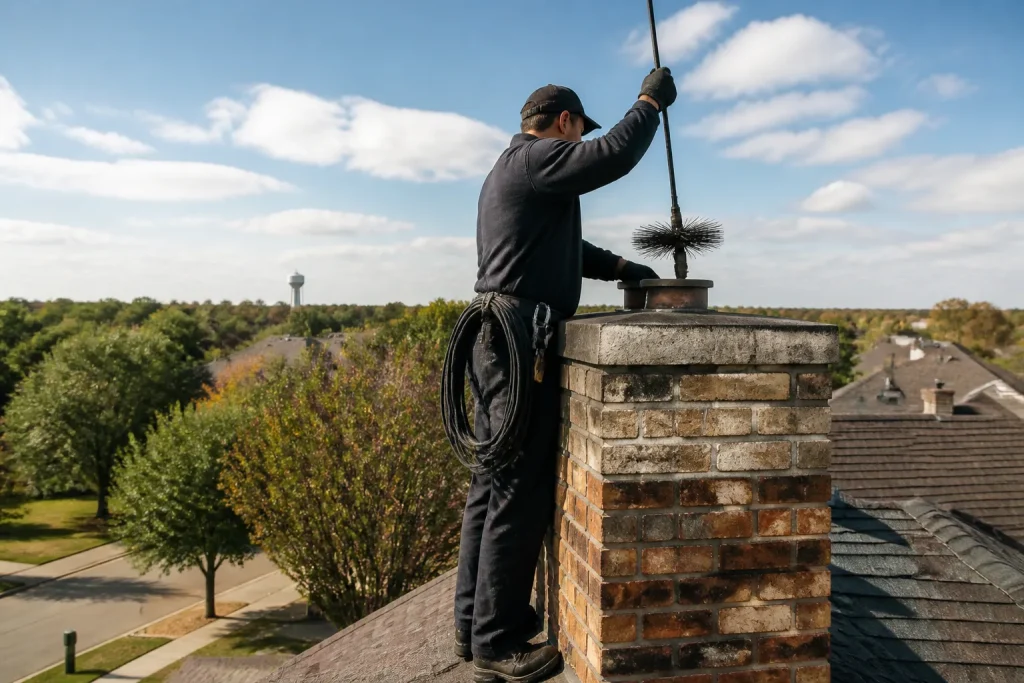
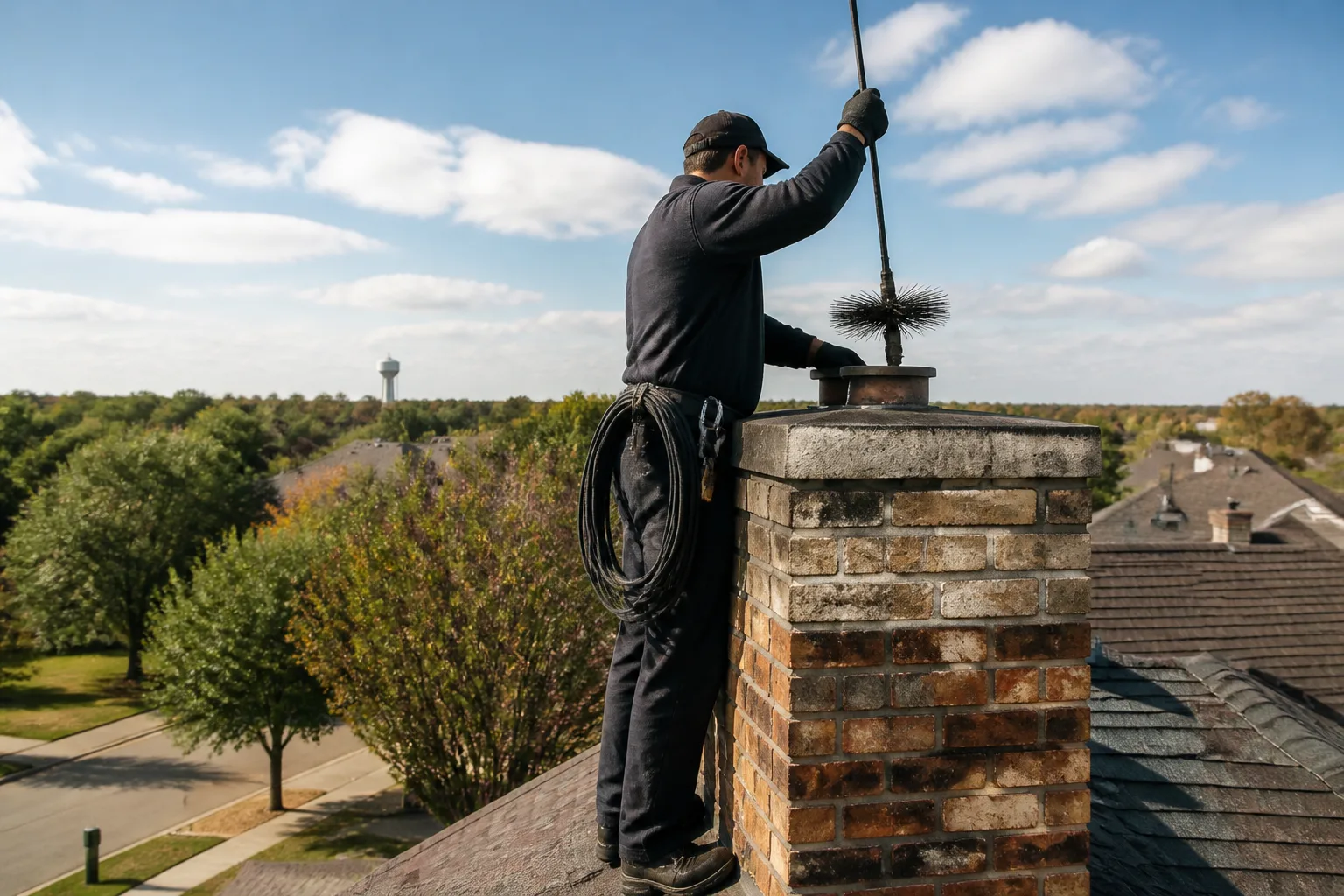
Copperfield Chimney Sweep in Allen: A Homeowner’s Guide
If you searched “Copperfield chimney sweep Allen” expecting to find a company by that name, you’ve actually landed on something more useful. Copperfield Chimney Supply is a wholesale trade brand, not a service provider. What it makes are the caps, liners, dampers, and chase covers that go into a chimney system, and the question of which brand your contractor specifies is one of the most consequential choices you’re probably not being asked about. Let’s fix that.
If you’d rather have a specialist handle it than sort through supply catalogs yourself, call (855) 965-4730 and we’ll point you in the right direction.
What Is Copperfield Chimney Supply, and Why Does It Matter to Allen Homeowners?
Copperfield Chimney Supply is a wholesale distributor of chimney and venting products sold to the trade, not a chimney sweep company. Allen homeowners searching the name are usually trying to find quality chimney work, and understanding what Copperfield actually makes helps you ask the right questions when you hire someone.
The brand’s catalog covers the components that matter most to a residential chimney system:
- Chimney caps – the top-mounted cover that keeps rain, animals, and debris out of the flue
- Liner systems – the flexible or rigid pipe that carries exhaust safely up the chimney
- Top-sealing dampers – a damper that sits at the chimney crown instead of inside the firebox, sealing tighter and reducing heat loss
- Chase covers – the protective enclosure over a prefab chimney chase, common on Allen homes with manufactured fireplaces
None of these are things a homeowner buys off a shelf. They’re specified by the contractor, sized to your flue, and installed as part of a repair or relining job. When you see Copperfield named on an estimate, it tells you the contractor is sourcing from the trade supply chain rather than a hardware store aisle. That’s the distinction worth paying attention to.
Which Copperfield Products Matter Most for an Allen Chimney?
For most Allen homeowners, the products that actually affect daily performance are chimney caps, liner systems, and top-sealing dampers. Each one solves a specific problem, and each one is where contractor-grade materials separate themselves from generic substitutes.
Chimney caps
A cap is the cheapest component and the one that does the most preventative work. It keeps rain from running down the flue, blocks birds and squirrels from nesting, and keeps sparks off the roof. In Allen’s mix of mature trees and newer subdivisions, animal intrusion is a real and recurring issue. A stamped hardware-store cap will do the job for a while; a trade-grade cap from a supplier like Copperfield or Olympia Chimney is built to stay on through storm season and hold its finish through the summer heat.
Liner systems
The liner is the single most important safety component in your chimney. It carries combustion gases out of the house and protects the surrounding structure from heat and creosote. When a liner is cracked, deteriorated, or the wrong size for the appliance, gases can escape into the home. This is the component where material grade matters most, and where a contractor using Copperfield or HeatShield products is signaling they take venting standards seriously.
Dampers and chase covers
A top-sealing damper closes off the flue when the fireplace isn’t in use, which keeps conditioned air from escaping up the chimney. Chase covers protect the wooden or framed enclosure around a prefab chimney from water intrusion. Both are small-ticket items with outsized impact on comfort and longevity.
What Should You Actually Ask a Chimney Contractor About Materials?
Ask three things: what grade the material is, what warranty it carries, and whether it’s compatible with your specific flue type. A contractor who can answer all three without hesitating is sourcing professionally. One who can’t is guessing.
Here’s a practical list to bring to the conversation:
- Grade and specification. Is the liner stainless steel, and what grade? Is the cap listed for your flue size and appliance type?
- Warranty. What does the manufacturer warrant, and for how long? Trade-grade products typically carry manufacturer warranties that generic substitutes don’t.
- Compatibility. A liner sized for a wood-burning fireplace is not the same as one for a gas insert or a wood stove. Confirm the product matches your appliance, not just the flue diameter.
- Documentation. Will the manufacturer’s part number appear on the estimate and the invoice? That’s your paper trail if anything goes wrong later.
This is where our inspection-first approach earns its keep. Every job starts with an honest assessment of the flue, followed by a recommendation tied to the specific materials the job requires. You shouldn’t have to guess what’s going into your chimney. For a closer look at what we do, see our chimney repair work.
Why Contractor-Grade Parts Outlast Hardware-Store Equivalents in Allen
Trade-grade components last longer in Allen because they’re built for the temperature swings this climate delivers: weeks of triple-digit summer heat followed by mild winters, with rapid cooling through the fall. Cheap substitutes fail at the seams, the coatings, and the connections that see the most thermal movement.
The difference shows up in a few specific places:
- Coatings and finishes. Hardware-store caps rust through their paint in a few seasons. Trade-grade caps use heavier galvanized or stainless steel built to hold up.
- Fittings and seams. Liner sections need to join tightly. Generic fittings can leak at the joints, which undermines the whole venting system.
- UV and heat exposure. Anything sitting on the roof in Allen takes direct sun. Cheap plastics fade, crack, and fail; trade-grade materials are specified for it.
- Sizing accuracy. Contractor-grade products come in the exact dimensions specified for your flue. Substitutes get “made to fit.”
We specify professional-grade brands on the jobs we handle, including Copperfield, Olympia Chimney, and Famco. You’ll notice that all three come from the trade supply chain, not the box store. That’s the point.
How Do You Verify a Contractor Is Using the Materials They Quoted?
You verify it on the invoice, the estimate, and the packaging. Trade-grade products arrive labeled with manufacturer part numbers, and those numbers should match what you were quoted. It’s the homeowner’s responsibility to check, so make it a habit.
Substitution looks like this: you were quoted a Copperfield or HeatShield liner, and the invoice just says “stainless steel liner.” Or you were quoted a specific cap and a generic one shows up. Sometimes it’s accidental, sometimes it isn’t. Either way, you want the finished job to match the paperwork.
Three checks that catch nearly every case:
- Match the part numbers on the invoice to the part numbers on the estimate before work begins.
- Ask to see the product labeling before it goes on the roof. The boxes arrive labeled.
- Keep the manufacturer’s documentation for your records, especially for liners and dampers where warranty claims matter.
When we quote a job in Allen, the materials are named on the paperwork for exactly this reason. Anything less is asking you to trust a handshake. For the full picture of what we offer, visit Allen Chimney Cleaning. If you’re due for routine service, our chimney sweep page explains what a standard visit covers.
When to Call a Pro
Call a chimney professional when you notice smoke rolling back into the room, a persistent odor from the fireplace even when it isn’t in use, visible cracking or crumbling in the firebox or flue, or rusted or water-stained components around the chimney. Those are the signals that the system needs a real assessment, not a DIY patch.
If a liner is deteriorated or the wrong size for your appliance, that’s not something to reason through on your own. Gas and combustion byproducts need to vent correctly, and a compromised flue can let them into living space. A trained professional should inspect and repair it. Same goes for the top of the chimney, which means getting up on the roof. We’ll pass on that particular thrill.
Related Services in Allen
If you’re in Allen and the chimney needs attention beyond a routine sweep, or you’re ready to book your annual service, we can help. Chimney work is all we do, and every job starts with an inspection and an honest assessment of what the flue actually needs. Our technicians have up to 12 years of experience across sweeps, inspections, and repairs, and we work with Copperfield, HeatShield, and Gelco materials on the jobs that call for them.
What happens when you call
- 1
A real person answersNo phone trees – you reach a local pro.
- 2
You get an upfront price rangeHonest numbers before anyone is dispatched.
- 3
A background-checked tech heads outLicensed & insured, dispatched right away.
- 4
You approve before work beginsNothing starts until you say go.
The Bottom Line
Copperfield is a trade brand, not a sweep company. The materials your contractor specifies affect how your chimney performs for years, and the questions to ask are straightforward: grade, warranty, compatibility, and documentation. Contractor-grade parts last longer in Allen’s temperature extremes, and a contractor who names those materials on the estimate is one worth trusting. If you’re in Allen and need help, Allen Chimney Cleaning offers free estimates. Call (855) 965-4730. We answer 24/7. Fast dispatch from 7am to 7pm, Sunday through Friday.
Frequently Asked Questions
No. Copperfield Chimney Supply is a wholesale trade brand that sells chimney components to contractors, not a service provider. If you need a sweep in Allen, you’ll want to hire a chimney specialist directly, and you can ask that specialist whether they use Copperfield materials on their jobs.
Yes. Contractor-grade components from trade brands like Copperfield, Olympia Chimney, or Famco hold up longer in Allen’s heat and typical seasonal swings than generic hardware-store substitutes. The material grade, warranty, and fit all affect how long the part lasts and how safely the system vents.
Compare the manufacturer part numbers on the invoice against the estimate before work begins, and keep the labeling from the product packaging. If the paperwork says “stainless steel liner” but not which brand or part number, ask for the specific part before the work is done. Legitimate substitutions should be in writing, not discovered after the fact.
An annual inspection is the standard recommendation for any home with a wood-burning fireplace, insert, or stove, and it’s a good practice even for gas appliances. A sweep is typically needed when there’s a meaningful buildup of creosote, which the inspection will reveal. If you’re due, call (855) 965-4730 for a free estimate. We answer 24/7, with fast dispatch from 7am to 7pm, Sunday through Friday.
Written by the team at Allen Chimney Cleaning.
Need Chimney Cleaning Help?
Call Allen Chimney Cleaning - licensed & insured, with free written estimates in Allen.
(855) 965-4730